
- Robert Parker-punten (RP) 96
- Vinous-punten
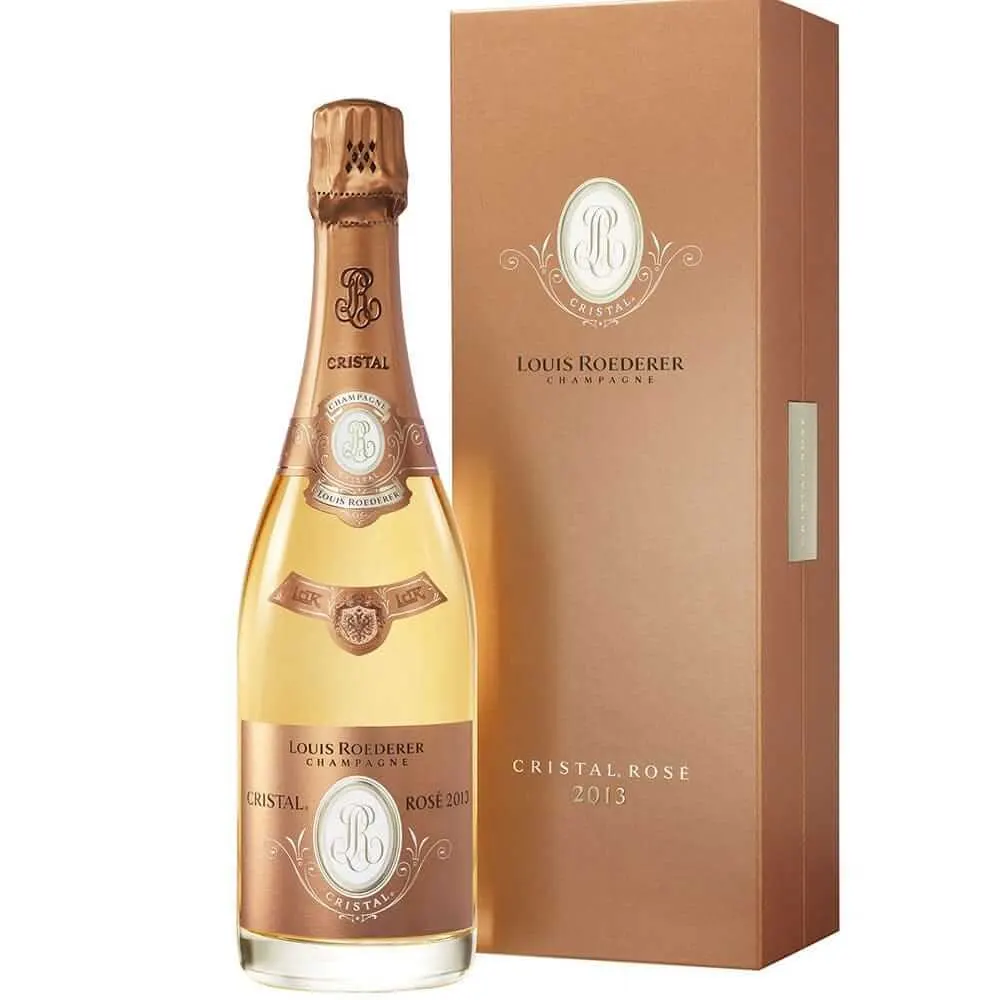
Louis Roederer - Cristal Rosé
Jaargang
2014
Formaat
75cl
Prijs
€595.20 excl. btw
Op voorraadOp voorraad
Proefnotities
De 2014 Cristal is een geweldig resultaat dat het vintage transcendeert. Met expressieve aroma's van rijp citrusfruit, nectarine, witte bloemen, vers gebakken brood en subtiele hints van honingraat sprinkt het uit het glas. Het is middelzwaar tot fullbodied, wijnig en vlezig, met een uitbundig fruithart dat omgeven wordt door racy zuren, wat resulteert in een wijn die tegelijk geslepen en demonstratief is. Dit betekent dat de vroege aantrekkingskracht niet ten koste gaat van de noodzakelijke spanning voor lange bewaring. Met een lange, aromatische en intens krijtige afdronk is dit een briljante Champagne die een breed drinkvenster zal bieden. Deze fles is in juni 2021 gedegorgeerd met een dosage van zeven gram per liter.
Meer informatie
Herkomst
- Type
- Mousserend
- Producent
- Louis Roederer
- Land
- Frankrijk
- Appellatie
- Champagne
- Regio
- Champagne
- Stijl
- Brut
Technisch
- Jaargang
- 2014
- Druiven
- Champagne-blend
- Alcoholpercentage
- 12%
- Formaat
- 75cl
- Rijping
- Serveren
- 10° - 12° C
- Drinkvenster
Spijscombinaties
Kenmerken
Meer over: Mousserende wijn
Louis Roederer is een gerenommeerd champagnehuis dat sinds 1776 een aantal van de beste champagnes ter wereld produceert. Het huis ligt in het hart van de Champagnestreek in Frankrijk en staat bekend om zijn uitzonderlijke kwaliteit en aandacht voor detail. Een van de meest gewilde champagnes die Louis Roederer produceert, is Cristal Rosé.
Deze champagne is gemaakt met een blend van Pinot Noir en Chardonnay druiven, die zorgvuldig worden geselecteerd van de beste wijngaarden in de regio. De druiven worden met de hand geplukt en gesorteerd om ervoor te zorgen dat alleen de beste kwaliteit druiven worden gebruikt in het productieproces. Het productieproces voor Cristal Rosé is een goed bewaard geheim, maar het is bekend dat de champagne minimaal zes jaar in de kelders rijpt voordat deze op de markt wordt gebracht. Dit uitgebreide rijpingsproces geeft de champagne zijn unieke smaak en karakter.
Cristal Rosé is een champagne die bekend staat om zijn elegantie en finesse. Hij heeft een delicate roze kleur en een fijne, aanhoudende mousse. In de neus heeft hij aroma's van rode vruchten, zoals aardbeien en frambozen, evenals hints van citrus en florale tonen. In de mond is hij rijk en complex, met een perfecte balans tussen zuurgraad en zoetheid.
Deze champagne is perfect voor speciale gelegenheden en wordt vaak geserveerd op high-end evenementen en feesten. Het combineert goed met verschillende gerechten, waaronder zeevruchten, gevogelte en desserts. Over het algemeen is Louis Roederer's Cristal Rosé een champagne die synoniem staat voor luxe en kwaliteit. De unieke smaak en het karakter maken het een favoriet onder champagneliefhebbers over de hele wereld.
Meer van Louis Roederer
Alles bekijken

Meer van Champagne
Alles bekijken
Veuve Clicquot - Ponsardin - Yellow Label - Brut
- NV
- 75cl
- Pinot Meunier, Pinot Noir, Chardonnay
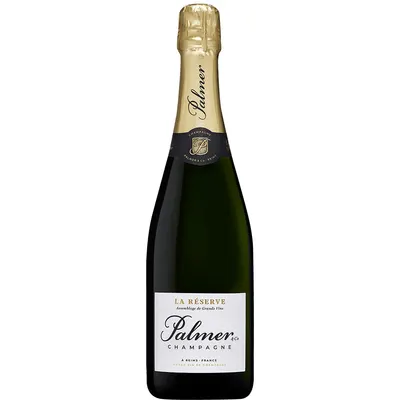
Palmer & Co. Champagne - La Réserve - Brut
- NV
- 75cl
- Chardonnay, Pinot Noir, Pinot Meunier
Achter de fles
Producent
Louis Roederer
Louis Roederer werd aan het einde van de achttiende eeuw opgericht en is een van de laatste grote Champagnehuis die onafhankelijk en familiebedrijf blijft. Het landgoed werd in 1833 door Louis Roederer geërfd, die het zijn naam…
Ontdek Louis Roederer
Regio
Champagne
In 1668 zou Dom Pérignon ontdekt hebben hoe mousserende wijn gemaakt moet worden; vandaag de dag wordt zijn techniek over de hele wereld gebruikt, hoewel Champagne nog steeds een aantal van de beste wijnen produceert. Champagne…
Ontdek Champagne