
- Puntos Robert Parker (RP) 96
- Puntos Vinous
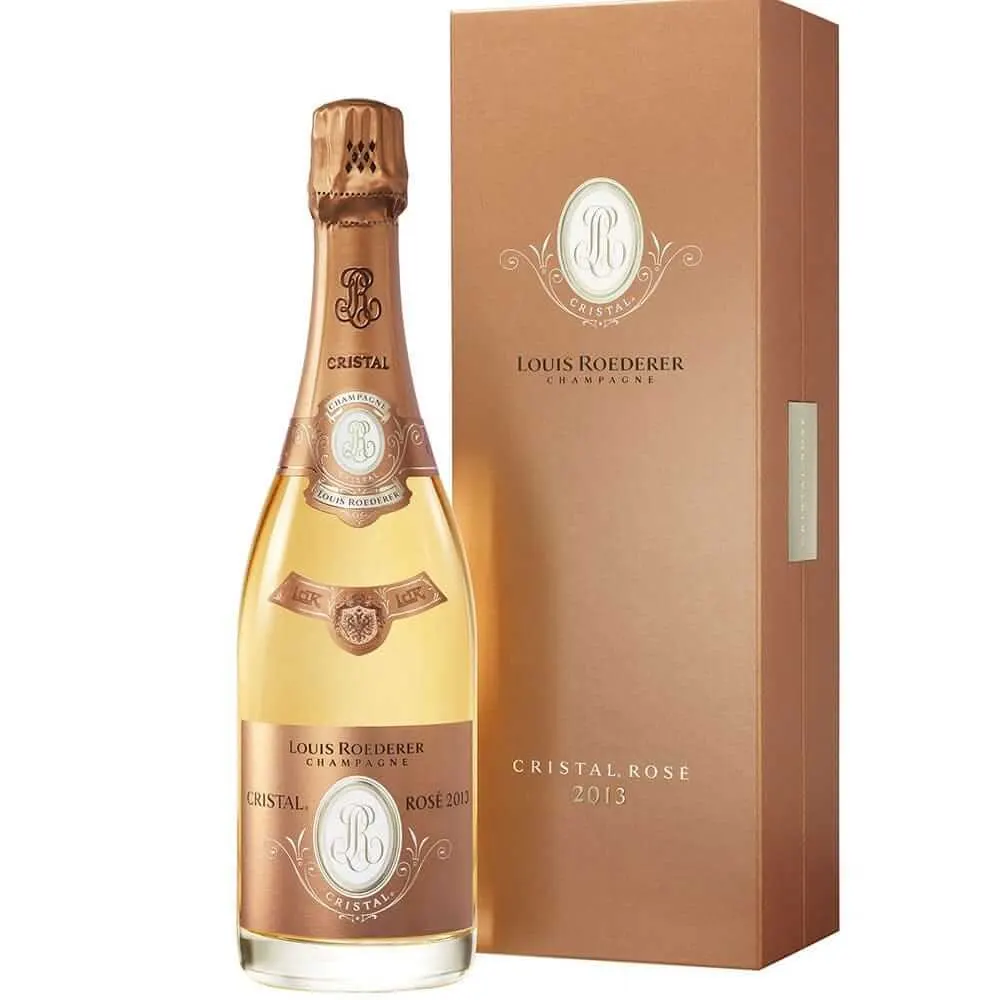
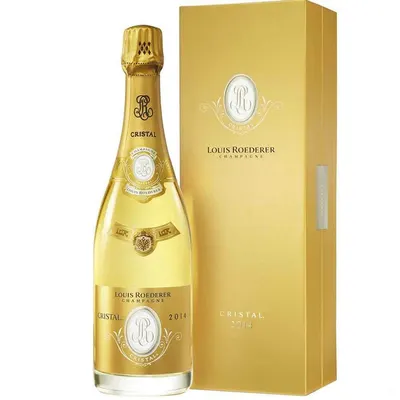
Louis Roederer - Cristal Rosé
Añada
2014
Tamaño
75cl
Precio
€595.20 sin IVA
En stockEn stock
Notas de cata
El Cristal 2014 es un esfuerzo extraordinario que trasciende la añada. Rebosante de aromas expresivos de cítricos maduros, nectarina, flores blancas, pan recién horneado e insinuaciones sutiles de panal, es de cuerpo medio a completo, vinoso y carnudo, con un corazón exuberante de fruta ceñido por ácidos vivaces, resultando en un vino que es simultáneamente cincelado y demostrativo, lo que significa que su atractivo inmediato no viene a costa de la tensión necesaria para un envejecimiento de largo plazo. Concluyendo con un final largo, aromático e intensamente calcáreo, es un Champagne brillante que ofrecerá una amplia ventana de consumo. Esta botella fue degollada en junio de 2021 con un dosaje de siete gramos por litro.
Más información
Procedencia
- Tipo
- Espumoso
- Productor
- Louis Roederer
- País
- Francia
- Denominación
- Champagne
- Región
- Champagne
- Estilo
- Bruto
Técnico
- Añada
- 2014
- Uvas
- Champagne blend
- Graduación alcohólica
- 12%
- Tamaño
- 75cl
- Crianza
- Servicio
- 10° - 12° C
- Ventana de consumo
Maridajes
Características
Acerca de: Vino espumoso
Louis Roederer es una reconocida casa de champagne que ha estado produciendo algunos de los mejores champagnes del mundo desde 1776. Ubicada en el corazón de la región de Champagne en Francia, la casa es conocida por su calidad excepcional y atención al detalle. Uno de los champagnes más buscados producidos por Louis Roederer es Cristal Rosé.
Este champagne se elabora utilizando una mezcla de uvas Pinot Noir y Chardonnay, que se seleccionan cuidadosamente de los mejores viñedos de la región. Las uvas se cosechan a mano y se clasifican para asegurar que solo se utilicen uvas de la mejor calidad en el proceso de producción. El proceso de producción de Cristal Rosé es un secreto celosamente guardado, pero se sabe que el champagne se envejece durante al menos seis años en las bodegas antes de ser lanzado al mercado. Este proceso de envejecimiento prolongado le da al champagne su sabor y carácter único.
Cristal Rosé es un champagne conocido por su elegancia y finura. Tiene un color rosa delicado y una espuma fina y persistente. En la nariz, tiene aromas de frutas rojas, como fresas y frambuesas, así como toques de cítricos y notas florales. En el paladar, es rico y complejo, con un equilibrio perfecto entre acidez y dulzor.
Este champagne es perfecto para ocasiones especiales y a menudo se sirve en eventos y celebraciones de alto nivel. Combina bien con una variedad de alimentos, incluyendo mariscos, aves y postres. En general, el Cristal Rosé de Louis Roederer es un champagne que es sinónimo de lujo y calidad. Su sabor y carácter únicos lo hacen favorito entre los amantes del champagne en todo el mundo.
Más de Louis Roederer
Ver todo
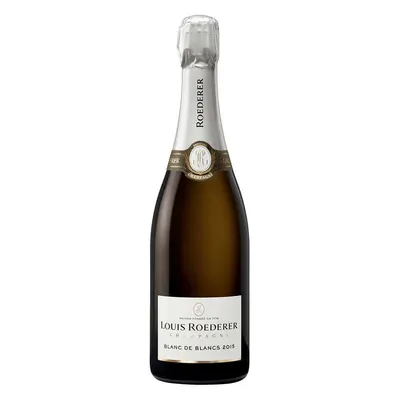
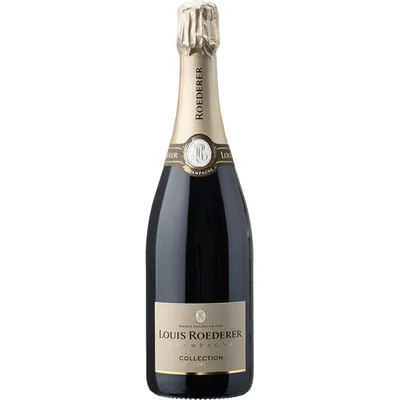
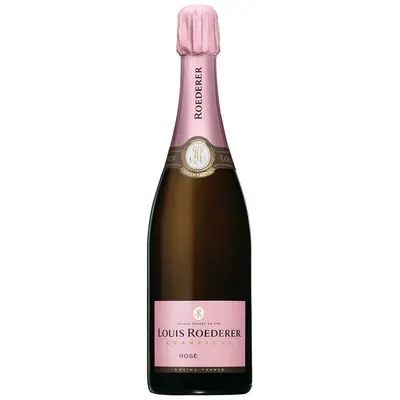

Más de Champagne
Ver todo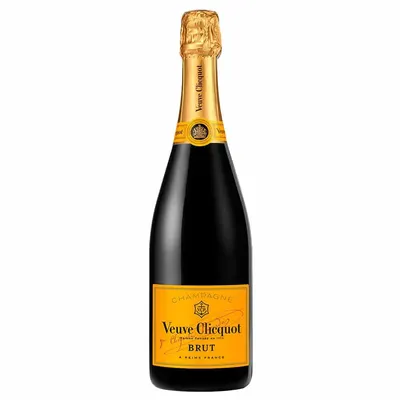
Veuve Clicquot - Ponsardin - Yellow Label - Brut
- NV
- 75cl
- Pinot Meunier, Pinot Noir, Chardonnay
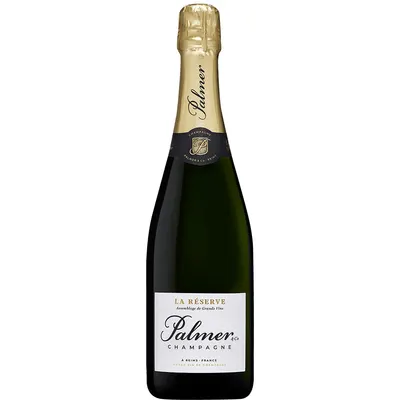
Palmer & Co. Champagne - La Réserve - Brut
- NV
- 75cl
- Chardonnay, Pinot Noir, Pinot Meunier
Detrás de la botella
Productor
Louis Roederer
Establecida a finales del siglo dieciocho, Louis Roederer es una de las últimas grandes casas de Champagne que permanece independiente y dirigida por la familia. La propiedad fue heredada por Louis Roederer en 1833, quien le dio…
Descubrir Louis Roederer
Región
Champagne
En 1668, se dice que Dom Pérignon descubrió cómo hacer vino espumoso; hoy en día su técnica se utiliza en todo el mundo, aunque Champagne continúa produciendo algunos de los mejores. La región vinícola más septentrional de…
Descubrir Champagne