
- Points Robert Parker (RP)
- Points Vinous
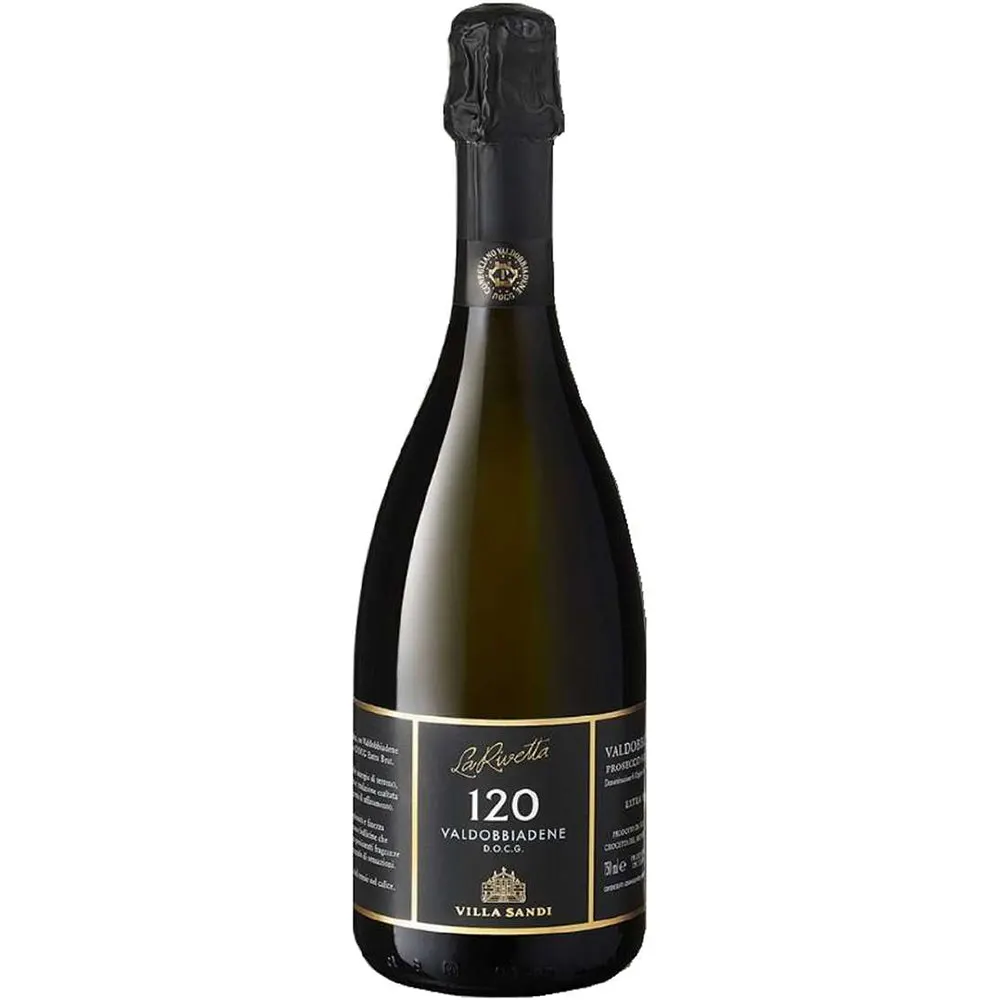
Villa Sandi - La Rivetta 120 - Extra-Brut - Prosecco di Valdobbiadene Superiore DOCG
Millésime
NV
Format
75 cl
Prix
€37.20 HT
En stockEn stock
Notes de dégustation
Le nom La Rivetta est devenu le symbole d'un excellent terroir. La Rivetta 120 représente une synénergie particulière du sol, du microclimat et de la tradition, enrichie par 120 jours de maturation sur lies. Cela se reflète dans une robe d'un jaune brillant avec une légère teinte verdâtre et une perlage fine et délicate. Le bouquet évoque les pommes Granny Smith, la glycine et la fleur d'acacia. La saveur est fraîche et parfumée, avec une aromatique de fruits jaunes. Le résultat d'un vieillissement prolongé est un vin pétillant complexe et crémeux.
Plus d'informations
Origine
- Type
- Mousseux
- Producteur
- Villa Sandi
- Pays
- Italie
- Appellation
- Prosecco di Valdobbiadene Superiore DOCG
- Région
- Vénétie
Technique
- Millésime
- NV
- Cépages
- Glera
- Degré d’alcool
- 11.5%
- Format
- 75cl
- Élevage
- Fenêtre de dégustation
Accords mets et vins
Caractéristiques
À propos : Vin mousseux
La Rivetta 120 de Villa Sandi représente l'apogée de la production de Prosecco di Valdobbiadene Superiore DOCG. Élaboré à partir du Glera, ce vin effervescent extra-brut incarne le caractère frais et élégant qui a fait la renommée de la région de Valdobbiadene auprès des amateurs de vin avertis. La structure légère du vin et son intensité délicate révèlent des notes de fruits verts et de fleurs avec une nuance terreuse, offrant la qualité rafraîchissante qui caractérise un Prosecco supérieur.
Produit dans la prestigieuse région du Prosecco en Italie, Villa Sandi maintient une philosophie de vinification axée sur l'expression du terroir unique des collines de Valdobbiadene. Le style extra-brut, avec son dosage mesuré, permet au caractère pur du Glera de briller, ce qui rend ce vin effervescent exceptionnellement polyvalent à table. À 11,5 % vol., il demeure élégamment léger et accessible.
La Rivetta 120 s'accorde magnifiquement avec les crustacés, le crabe, le homard et les sushis, tout en complétant les plats de volaille, les fromages à pâte dure comme le Parmesan et le Comté, et les cuisines aux agrumes. Son acidité brillante et son profil frais en font un apéritif idéal ou un compagnon parfait pour les tapas et les petits plats, tandis que les desserts aux fruits offrent une option d'accord délicieuse. Parfait pour un divertissement sophistiqué dans les villas, yachts et restaurants haut de gamme.
Plus de Villa Sandi
Tout voir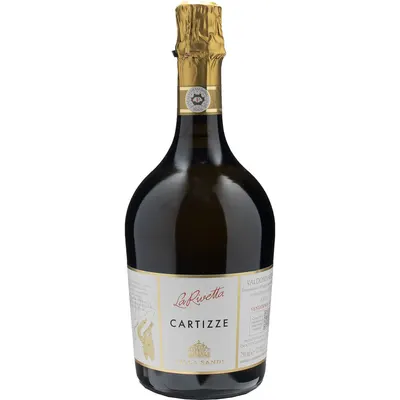
Derrière la bouteille

Producteur
Villa Sandi
Villa Sandi est un producteur de vin italien basé dans la région de Vénétie, travaillant spécifiquement dans l'appellation Prosecco di Valdobbiadene Superiore DOCG. Cette cave familiale se concentre sur la production de vins…
Découvrir Villa Sandi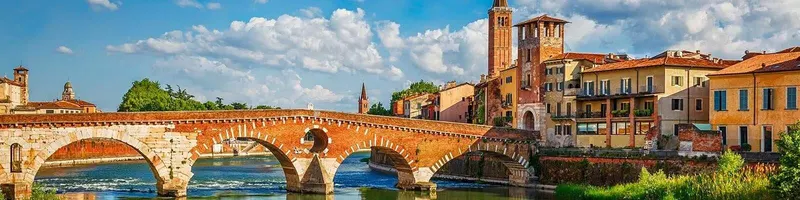
Région
Vénétie
Le Vénétie est situé dans le nord-est de l'Italie, s'étendant des Dolomites à la mer Adriatique, avec Venise comme capitale régionale. La région se classe parmi les plus grands producteurs de vin d'Italie en volume, englobant un…
Découvrir Vénétie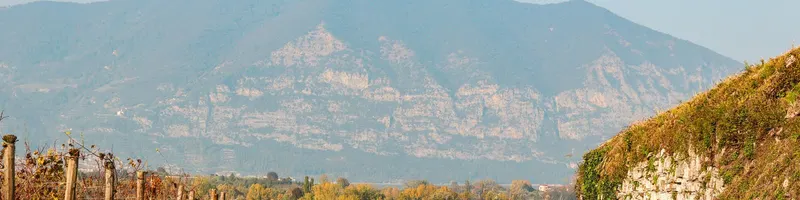
Appellation
Prosecco di Valdobbiadene Superiore DOCG
Prosecco di Valdobbiadene Superiore DOCG représente la classification la plus élevée pour les vins Prosecco, couvrant une zone collinaire spécifique dans la région de la Vénétie, dans le nord-est de l'Italie. Cette zone DOCG…
Découvrir Prosecco di Valdobbiadene Superiore DOCG