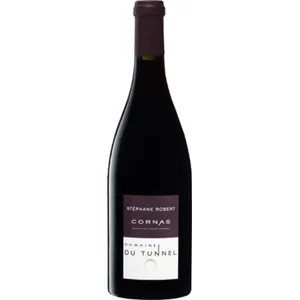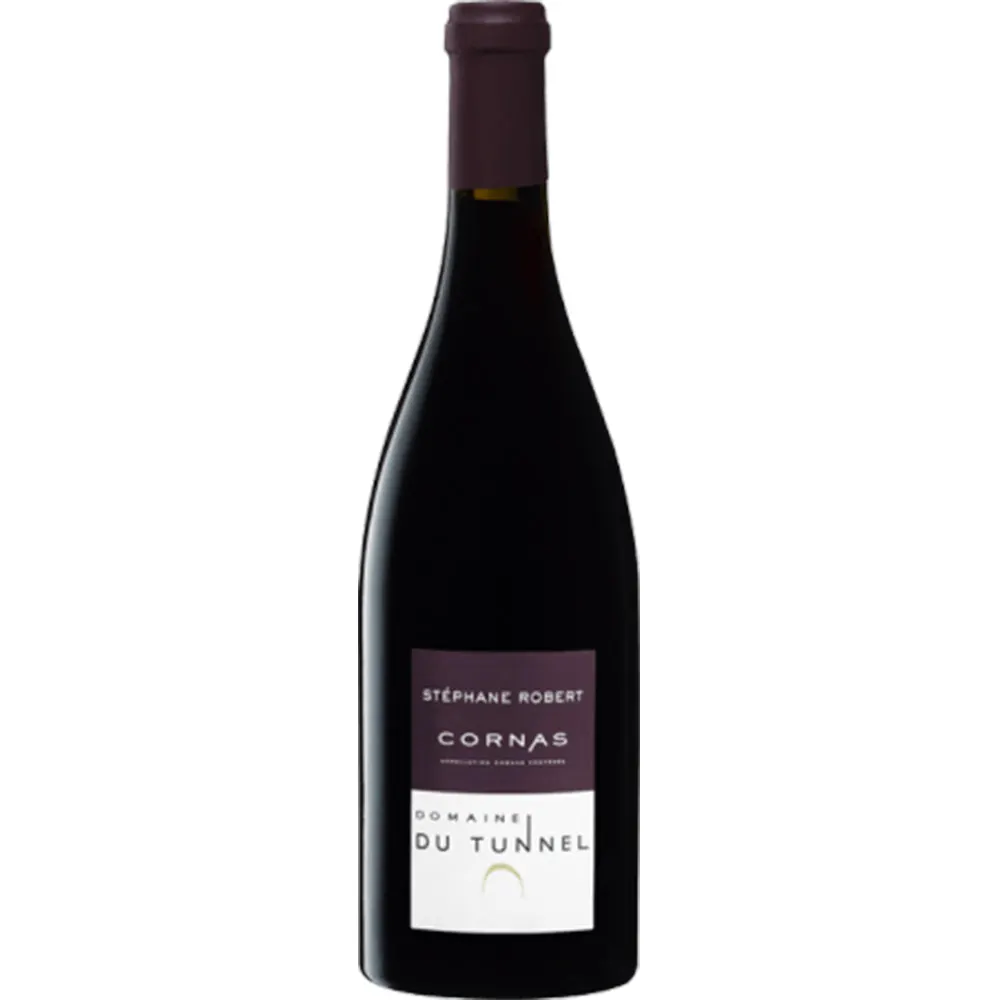
Stephane Robert - Domaine du Tunnel - Cornas

91 RP Points
Stephane Robert - Domaine du Tunnel - Cornas

Stephane Robert - Domaine du Tunnel - Cornas

Vintage
Size
Prix régulier €80.40
Price on application/
  • Stock faible - 6 articles restants
  • Inventaire sur le chemin
Taxes incluses. Frais d'expédition calculés lors du passage à la caisse.

Tasting Notes

Loading tasting notes…

Loading tasting notes…

Loading tasting notes…

Plus d'informations

Provenance
Type
Red
Country
Appellation
Technical
Grapes
ABV
14%
Serving
16° - 18° C
Food Pairings
BeefLambVenisonDuckCharcuterie and Cured MeatsMushroomsTomato-Based DishesFresh Herbs and Aromatic DishesGrilled VegetablesGruyereComté Cheese
Key Characteristics
["Full-bodied""Soft tannins""Saline""Elegant""Complex""Rounded"]

L'histoire de la bouteille

Our collection of Rhone - Find this at Onshore Cellars your yacht wine supplier

Rhone

Le vin est produit dans la vallée du Rhône depuis plus de 500 ans, certains de ses vignobles figurant parmi les plus anciens de France. La Syrah règne...
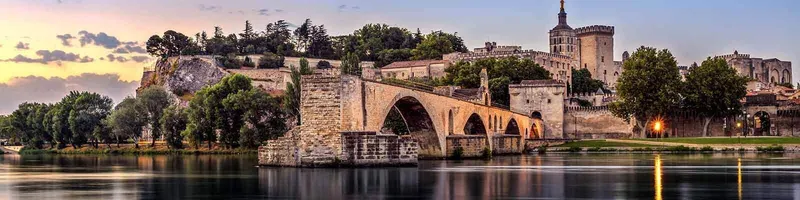
Le vin est produit dans la vallée du Rhône depuis plus de 500 ans, certains de ses vignobles figurant parmi les plus anciens de France. La Syrah règne sur le sud avec un mélange de raisins méditerranéens, tandis qu'au nord, les deux vedettes sont l'Hermitage – cultivé sur un impressionnant flanc de granite au-dessus de la ville de Tain et qu'il vaut mieux conserver au fond de la cave pendant une décennie – et la Côte-Rôtie, une appellation vedette rendue célèbre par les vins de vignobles uniques de Guigal, mais aussi le foyer de dizaines de fins producteurs encore peu connus. Les flancs abrupts dominant le fleuve doivent être en terrasse pour rendre la production possible. Saint-Joseph et Cornas fournissent également des vins de caractère et de valeur, mais la meilleure source de bon rapport qualité-prix est Crozes-Hermitage, une appellation satellite qui a connu un renouveau ces dernières années avec l'arrivée de jeunes talents. La vallée du fleuve s'élargit au sud de Valence dans le pays des Côtes du Rhône sur les plaines alluviales venteuses et les pentes inférieures des collines. C'est un spectacle des plus impressionnants lors des conditions de Mistral, avec son ciel clair, froid et bleu. Les meilleurs villages viticoles des Côtes du Rhône ont été promus à leurs propres appellations - Vinsobres, Vacqueyras - de qualité comparable aux plus connues Gigondas. Le roi du Rhône méridional est Châteauneuf-du-Pape. Ici, les galets roulés, des roches arrondies du lit ancien du fleuve, fournissent le contexte de vins rouges magnifiquement richement dotés qui sentent la chaleur et les herbes du sud, et enrichis par la complexité qui provient du mélange de plusieurs variétés de raisins. Treize sont autorisés en tout, mais la Grenache domine généralement, soutenue par la Syrah et le Mourvèdre. Un beau millésime a besoin de huit à 10 ans de garde pour obtenir les meilleurs résultats. Si votre goût penche vers des vins blancs plus pleins, plus riches et relativement exotiques, alors peut-être qu'un Hermitage blanc ou un Châteauneuf-du-Pape blanc de la vallée du Rhône vous conviendrait mieux, ou un Condrieu magnifiquement parfumé et enivrant - le siège du raisin Viognier.
Explorez Rhone
Cornas

Cornas

Cornas is a small wine appellation located in the northern Rhône region of France. The name "Cornas" is derived from the Celtic word for "burnt earth," which is...

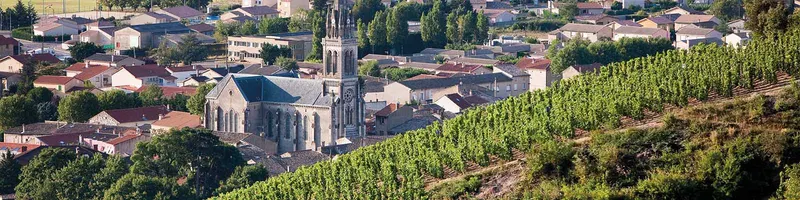
Cornas is a small wine appellation located in the northern Rhône region of France. The name "Cornas" is derived from the Celtic word for "burnt earth," which is a reference to the steep, rocky slopes that characterize the vineyards in this area. The appellation covers just over 100 hectares of land, and is known for producing some of the most powerful and complex red wines in the Rhône Valley.

The style of production in Cornas is heavily influenced by the unique terroir of the region. The vineyards are situated on steep slopes that face south or southeast, which allows the grapes to receive maximum exposure to the sun. The soil in Cornas is composed of decomposed granite, which is rich in minerals and provides excellent drainage for the vines. The combination of these factors results in wines that are full-bodied, rich, and complex, with intense aromas and flavors.

The primary grape variety grown in Cornas is Syrah, which is known for its deep color, intense aromas, and full-bodied flavor. The Syrah grapes grown in Cornas are typically smaller and more concentrated than those grown in other regions, which contributes to the intensity and complexity of the wines. In addition to Syrah, some producers in Cornas also grow small amounts of white grapes, such as Marsanne and Roussanne, which are used to produce a small amount of white wine.

The typical wines produced in Cornas are full-bodied, rich, and complex, with intense aromas of black fruit, spice, and earth. The tannins in these wines are firm and well-structured, which allows them to age gracefully for many years. The best examples of Cornas can be quite expensive, but they are considered to be some of the finest wines in the Rhône Valley.

The history of winemaking in Cornas dates back to the Roman era, when the region was known for producing high-quality wines. However, it wasn't until the 19th century that Cornas began to gain recognition as a distinct wine appellation. In the early 20th century, the vineyards in Cornas were devastated by phylloxera, a disease that nearly wiped out the entire wine industry in France. However, the vineyards were eventually replanted, and today Cornas is once again recognized as one of the premier wine appellations in the Rhône Valley.

In conclusion, Cornas is a unique and distinctive wine appellation that produces some of the most powerful and complex red wines in the Rhône Valley. The combination of steep slopes, decomposed granite soil, and maximum sun exposure results in wines that are full-bodied, rich, and complex, with intense aromas and flavors. The primary grape variety grown in Cornas is Syrah, which is known for its deep color, intense aromas, and full-bodied flavor. The typical wines produced in Cornas are full-bodied, rich, and complex, with intense aromas of black fruit, spice, and earth. The history of winemaking in Cornas dates back to the Roman era, and today the region is recognized as one of the premier wine appellations in the Rhône Valley.

Lire la suite