
- Points Robert Parker (RP)
- Points Vinous
Labruyère-Prieur - Pouilly-Fuissé
Prix
€39.60 Épuisé
Épuisé
Se renseigner sur la disponibilitéNotes de dégustation
Le vin arbore une belle robe or-vert qui brille de reflets gris-argent scintillants. Au nez, il présente un arôme très pur combinant des notes florales de fleurs blanches et d'acacia, ainsi que des notes légèrement toastées, briochées et anisées. En bouche, il est frais avec un croquant salé digestible, et une belle saveur énergique et précise. La finale présente des notes croustillantes de citron confit qui persistent en rétro-olfaction.
Plus d'informations
Origine
- Type
- Blanc
- Producteur
- Labruyère-Prieur
- Pays
- France
- Appellation
- Pouilly-Fuissé
- Région
- Bourgogne
Technique
- Millésime
- Cépages
- Degré d’alcool
- Format
- Élevage
- Service
- 10° - 12° C
- Fenêtre de dégustation
Accords mets et vins
Caractéristiques
À propos : Vin
Domaine Labruyere Prieur Pouilly-Fuisse est un vin blanc délicieux offrant un profil gustatif riche. En bouche, attendez-vous à un mélange harmonieux de notes d'agrumes, tels que le citron et le pamplemousse, complétés par des hints de pêche mûre et une minéralité subtile. L'arôme est frais et invitant, avec des notes florales ajoutant à sa complexité. Ce qui distingue ce vin est son équilibre élégant entre l'acidité et la crémosité, aboutissant à une finale douce et persistante.
Ce vin est parfait pour les occasions spéciales ou les réunions décontractées où vous souhaitez impressionner vos invités. Accordez-le avec des plats de fruits de mer comme les crevettes grillées ou le homard, des pâtes crémeuses, ou des plats de volaille pour une expérience culinaire délightful. Que vous célébriez un jalon ou que vous profitiez simplement d'une soirée relaxante, Domaine Labruyere Prieur Pouilly-Fuisse saura élever le moment avec son goût raffiné et sa polyvalence.
Plus de Pouilly-Fuissé
Tout voir
Derrière la bouteille

Producteur
Labruyère-Prieur
Domaine Labruyère est un producteur de vin très respecté qui possède des vignobles en Bourgogne et en Beaujolais, en France, sous les noms Domaine Jacques Prieur et Domaine Labruyère, respectivement. L'histoire de la famille…
Découvrir Labruyère-Prieur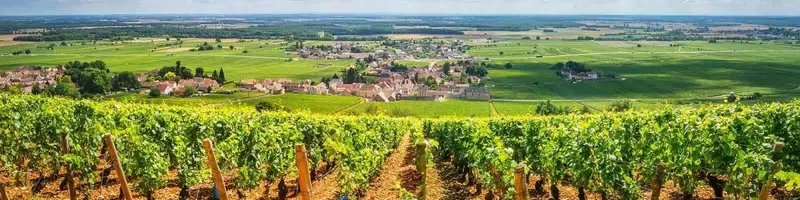
Région
Bourgogne
La région viticole française de Bourgogne (alias « Bourgogne ») peut être petite par sa taille, mais son influence est énorme dans le monde du vin. La complexité de la Bourgogne peut faire peur au cœur même d'un professionnel du…
Découvrir Bourgogne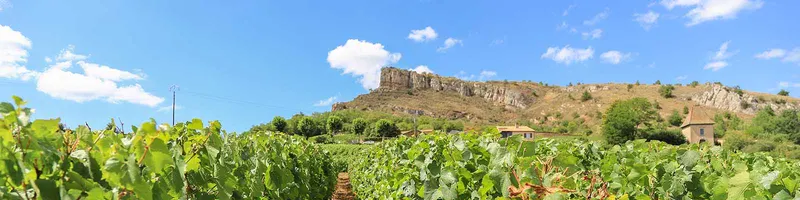
Appellation
Pouilly-Fuissé
Pouilly-Fuissé est une appellation d'origine contrôlée située dans le district du Mâconnais en Bourgogne méridionale, France. L'appellation englobe quatre communes : Chaintré, Fuissé, Solutré-Pouilly et Vergisson. Les vignobles…
Découvrir Pouilly-Fuissé