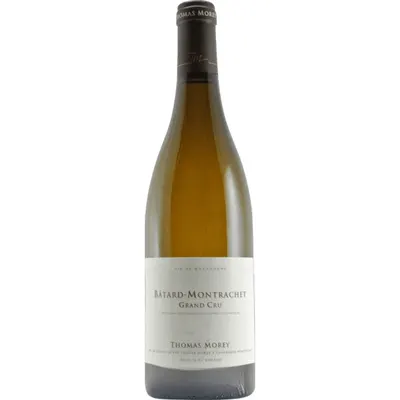
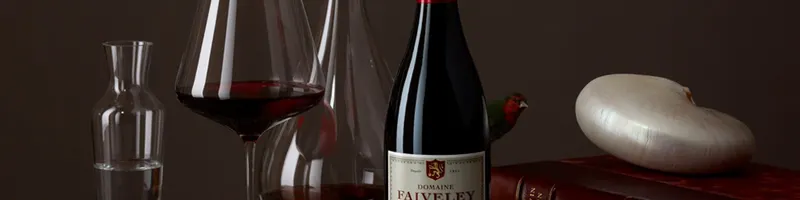
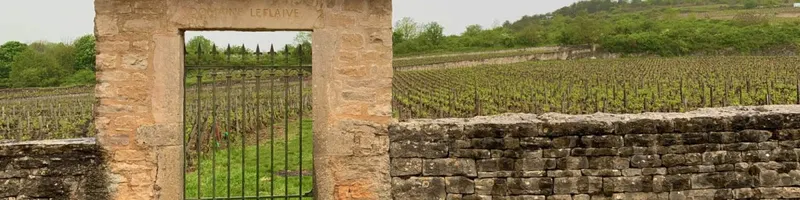
Domaine Faiveley - Bâtard Montrachet - Grand Cru

95 RP Points
Domaine Faiveley - Bâtard Montrachet - Grand Cru - 2021 - 75cl - Onshore Cellars

Domaine Faiveley - Bâtard Montrachet - Grand Cru

Vintage
Size
Prix régulier €866.40
Price on application/
  • En stock
  • Inventaire sur le chemin
Taxes incluses. Frais d'expédition calculés lors du passage à la caisse.

Tasting Notes

Loading tasting notes…

Loading tasting notes…

Loading tasting notes…

Loading tasting notes…

Loading tasting notes…

Loading tasting notes…

Loading tasting notes…

Plus d'informations

Provenance
Type
Country
Appellation
Producer
Style
Grand Cru
Technical
Grapes
Food Pairings
LobsterTrufflesShellfishPoultryHard CheesesFoie Gras

L'histoire de la bouteille

Domaine Faiveley

Domaine Faiveley

Located in the heart of the Côte de Nuits, in Nuits-Saint-Georges, the Faiveley family has been making wine here since 1825. Following six generations before him, the domaine...
Located in the heart of the Côte de Nuits, in Nuits-Saint-Georges, the Faiveley family has been making wine here since 1825. Following six generations before him, the domaine is today in the hands of Erwan Faiveley, who took over from his father in 2005. Since taking the reins, Erwan has invested heavily in the winery, including introducing new vinification and maturation methods, whilst remaining true to the values of those before him. He also built a spectacular new winery which was used for the first time in 2018.

With 120-hectares of vines on exceptional terroirs, including in 12 Grand Cru and 25 Premier Cru climats, these iconic wines are enjoyed in 80 countries around the world.

Interview with Eve Faiveley, Owner

What is Domaine Faiveley’s philosophy and style of winemaking?

Our family has gradually acquired 120 hectares of vineyards located in some of the most prestigious 'climats' of Burgundy. For the past seven generations, we have been committed to rigorous viticulture and precise vinification, in order to continue to build the reputation of our historical wine domaine and our unique family heritage. We strive for excellence, from our work in the vineyards right through to the bottling of our wines. Our desire is to enhance these outstanding Burgundian terroirs with a style that combines strength, finesse and elegance. The Domaine’s values and culture are summed up in the keywords: family spirit, tradition and modernity, innovation and investment, savoir-faire, prestige and quality.

Domaine Faiveley
Burgundy - Onshore Cellars

Burgundy

La région viticole française de Bourgogne (alias « Bourgogne ») peut être petite par sa taille, mais son influence est énorme dans le monde du vin. La...

La région viticole française de Bourgogne (alias « Bourgogne ») peut être petite par sa taille, mais son influence est énorme dans le monde du vin. La complexité de la Bourgogne peut faire peur au cœur même d'un professionnel du vin chevronné, mais n'ayez crainte – la région n'a besoin d'être aussi compliquée que vous le souhaitez. Oui, elle abrite certains des vins les plus chers de l'univers connu, mais il y a aussi des vins savoureux et abordables.

Raisins principaux :

Le Pinot Noir est originaire de Bourgogne et ces vignes couvrent 34 % de la région, représentant 29 % de la production vinicole globale. Le raisin rouge se développe extrêmement bien dans les sols calcaires et argileux, ce qui aide à créer leur complexité. Les vins Pinot Noir de Bourgogne varient en couleur du cerise au brique, sont légers en corps et ont généralement des saveurs de fruits rouges et épicées. Le Gamay est un raisin rouge également cultivé en Bourgogne, mais ne représente que 10 % des vignes.

Le Chardonnay est le raisin principal pour les vins blancs de Bourgogne, représentant 48 % des vignes et 68 % de la production. Le Chardonnay apprécie le sol marneux de la Bourgogne, qui lui confère des arômes floraux délicats, fruités et minéraux ainsi que des saveurs corsées. L'Aligoté est le deuxième raisin blanc, représentant 6 % cultivé. {En savoir plus sur le raisin ancien Aligoté en Bourgogne.}

La région produit également un vin mousseux appelé Crémant de Bourgogne. Il peut être élaboré à partir de Chardonnay, Pinot Noir, Pinot Gris, Aligoté, Gamay, Sacy et Melon. Les variétés incluent blanc, blanc de blancs, blanc de noirs et rosé.

Explorez Burgundy
Bâtard-Montrachet - Onshore Cellars

Bâtard-Montrachet

Bâtard-Montrachet is a Grand Cru appellation located in Burgundy's Côte de Beaune, straddling the communes of Puligny-Montrachet and Chassagne-Montrachet. This 11.86-hectare vineyard sits on the lower slopes of...

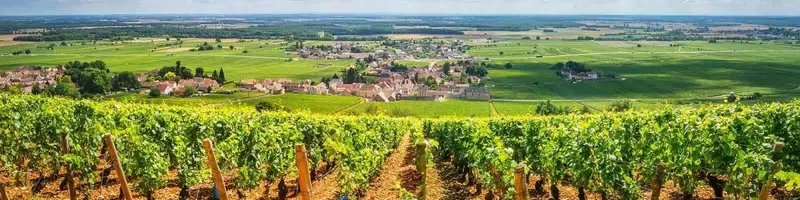
Bâtard-Montrachet is a Grand Cru appellation located in Burgundy's Côte de Beaune, straddling the communes of Puligny-Montrachet and Chassagne-Montrachet. This 11.86-hectare vineyard sits on the lower slopes of the Montrachet hill, positioned between the more famous Montrachet vineyard above and the village-level vineyards below. The appellation was officially established in 1937 as part of France's AOC system.

The vineyard benefits from optimal southeast-facing exposure on limestone-rich soils with varying compositions of clay and marl. Chardonnay is the sole permitted grape variety, and production is strictly regulated with low yields mandated to ensure concentration. The terroir combines excellent drainage from the slope's elevation with sufficient clay content to retain moisture, creating ideal conditions for Chardonnay cultivation. Traditional Burgundian winemaking methods typically include barrel fermentation and aging, often with some new oak influence.

Bâtard-Montrachet produces some of Burgundy's most concentrated and age-worthy white wines. These Chardonnays display remarkable depth and complexity, typically showing mineral precision balanced with rich fruit character. The wines often exhibit notes of citrus, white flowers, and subtle oak integration when young, developing greater complexity with bottle age to reveal layers of honey, nuts, and earthy undertones. The combination of the site's terroir and Grand Cru status results in wines with exceptional longevity, often improving for two decades or more.

Lire la suite