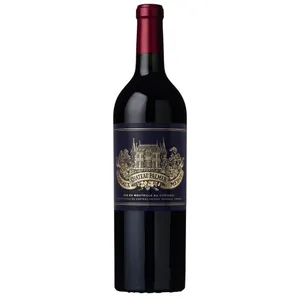
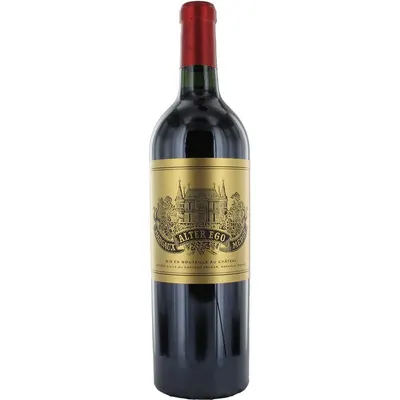
2019 - Château Palmer - Alter Ego De Palmer - Margaux
- 2019
- 75cl
- Cabernet Sauvignon, Merlot, Petit Verdot
Sorry, we can only welcome visitors who are 18 or over.
Oops, I entered incorrectly
Price
€511.20 ex. VAT
In stockIn stock
The 2016 Palmer is a blend of 47% Merlot, 47% Cabernet Sauvignon and 6% Petit Verdot. Opaque garnet-purple colored, it slowly glides out of the glass with compelling notes of blueberry compote, warm cassis and kirsch with emerging hints of violets, cigar box, black tea, sandalwood and Sichuan pepper. Medium to full-bodied, wonderfully rich, concentrated and packed with latent energy, the palate literally grows in the mouth, revealing layer upon layer of black, blue and red fruits and tons of floral sparks, framed by super ripe, incredibly fine-grained tannins and finishing with epic length. It’s a wine that makes you wanna drape yourself languidly over a chaise lounge, a glass of Palmer in hand, sighing with deep satisfaction, “This is so wonderfully Palmer.”
The use of new oak was also cut back in order to emphasize the fruit aspects of the wine. Consequently, the 2013 Palmer is an easygoing, fruit-forward, fresh, pure wine with no vegetal characteristics or astringent tannins. This opaque purple-colored, medium-bodied, plush 2013 preserves some of its Margaux typicity even in this tough vintage. Drink it over the next decade.
Producer
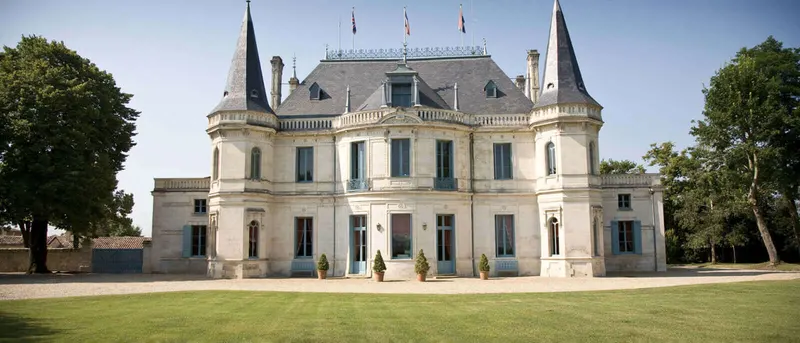
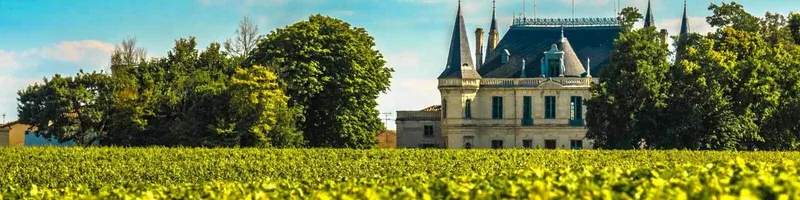
The history of Chateau Palmer dates back to the 18th century when the Gasq family, a very old family of Bordeaux parliamentarians, ensured the reputation of its wines. In 1814 the property and sold it to the English general…
Explore Château PalmerRegion
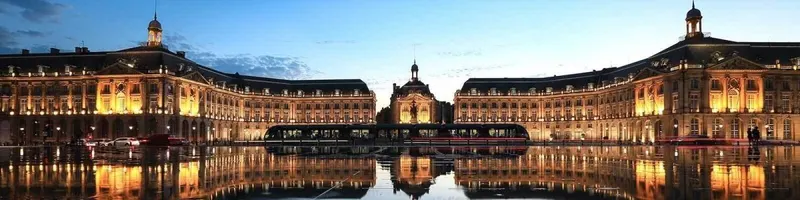
Bordeaux, in the southwest of France, needs little introduction as one of the world's most famous, prestigious and prolific wine regions. The majority of Bordeaux wines (nearly 90 percent of production volume) are the dry…
Explore BordeauxAppellation
Margaux is one of the most celebrated communes within the Haut-Médoc region of Bordeaux's Left Bank. Located approximately 25 kilometers north of Bordeaux city, the appellation encompasses the commune of Margaux itself along…
Explore Margaux