
Barolo DOCG
Magnum
Recently viewed
learn more about
Barolo DOCG
Barolo DOCG
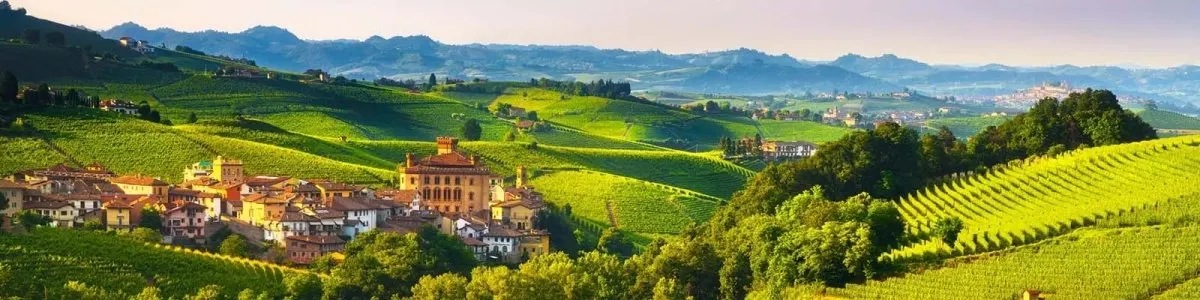
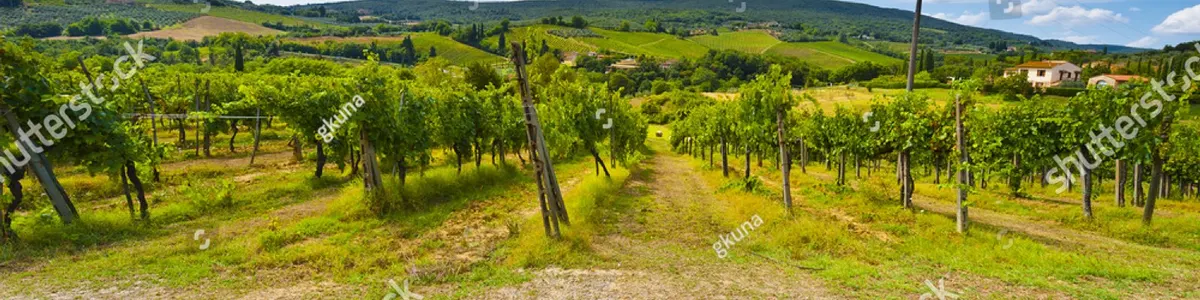
Barolo DOCG is located in the Piedmont region of northwestern Italy, encompassing eleven communes in the province of Cuneo, south-west of the town of Alba. The appellation holds DOCG status and is one of Italy's most important wine regions. Its vineyards are situated in the Langhe hills, with the villages of Barolo, La Morra, Castiglione Falletto, Serralunga d'Alba, and Monforte d'Alba forming the historic heart of the denomination.
The region's continental climate features hot summers and cold winters, with significant diurnal temperature variation that helps preserve acidity in the grapes. The soils vary between two main types: calcareous marl in the western communes like La Morra and Barolo, which tend to produce more approachable wines, and sandier, iron-rich soils in the eastern areas such as Serralunga d'Alba, yielding more structured expressions. Barolo must be made entirely from Nebbiolo grapes and must be aged for several years before release, partly in wood.
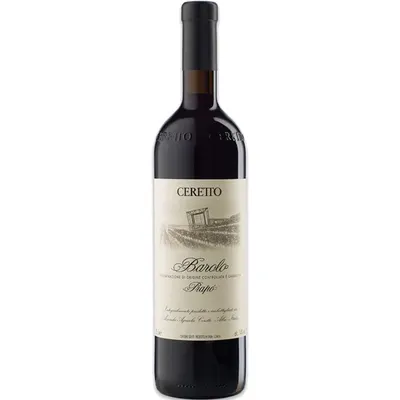
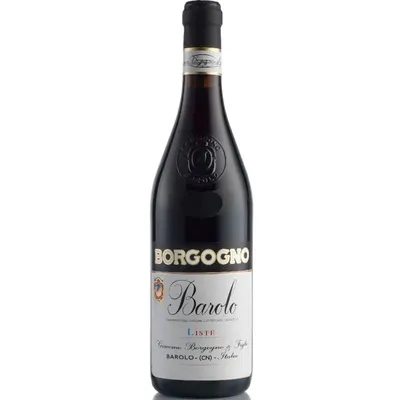
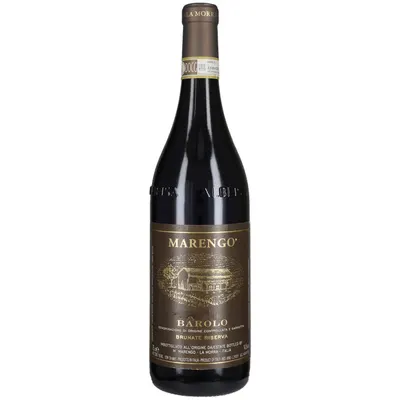
Barolo wines are characterized by their pale brick-red color, high tannins, and elevated acidity. The wines typically display complex aromatics of roses, tar, dried herbs, and red fruits, developing tertiary notes of leather, tobacco, and earth with age. The tannic structure and natural acidity allow these wines to age for decades, during which they evolve from powerful, austere expressions in youth to more nuanced and harmonious wines with extended cellaring.