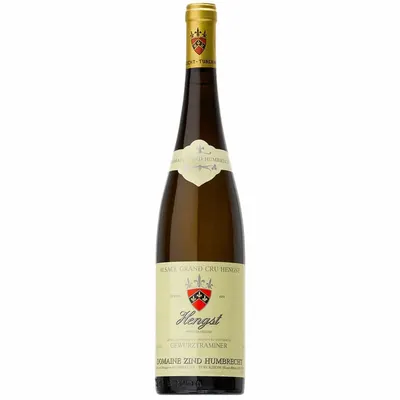
2008 - Domaine Zind Humbrecht - Gewurztraminer - Grand Cru - Hengst SGN
- 2008
- 75cl
- Gewurztraminer
Leider können wir nur Besucher ab 18 Jahren willkommen heißen.
Hoppla, falsch angeklickt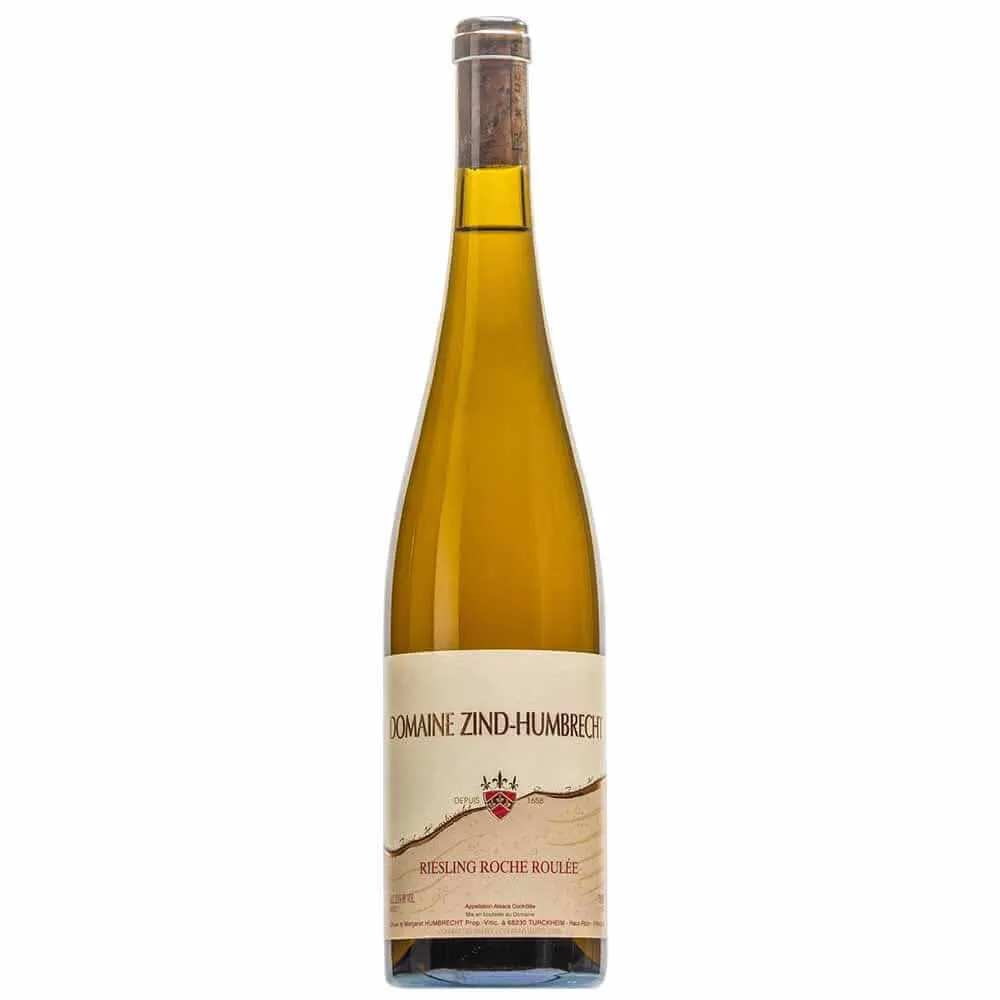
Jahrgang
Größe
Preis
€26.40 zzgl. MwSt.
Auf LagerAuf Lager
Ein leichter Hauch von Raucharomen entweicht einem schüchternen, verschlossenen Bouquet. Das Gaumenerlebnis wird von einem saftigen Fluss geprägt, der eine Fülle von reifen, frischen Mirabellen transportiert, umrahmt von einer wunderschönen, markanten Textur. Der Wein bietet Intensität und einen trockenen Abgang und wirkt wie eine Sommerbrise.
Domaine Zind-Humbrecht ist ein renommiertes Weingut im Elsass. Das Weingut blickt auf eine lange Geschichte zurück, die bis ins 17. Jahrhundert reicht, als es von der Familie Zind gegründet wurde. 1959 erwarb Léonard Humbrecht, ein Winzer aus einem Nachbardorf, das Gut. Heute wird es von seinem Sohn Olivier Humbrecht geleitet, der als einer der talentiertesten Winzer Frankreichs gilt.
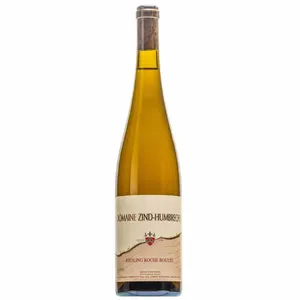
Das Weingut Domaine Zind-Humbrecht ist für seine außergewöhnlichen Rieslingweine bekannt, und der Roche Roulée zählt zu seinen beliebtesten Weinen. Er wird aus Trauben gekeltert, die an einem steilen, felsigen Hang mit einzigartigem Terroir wachsen. Der Boden besteht aus Granit und Gneis, was dem Wein einen ausgeprägten mineralischen Charakter verleiht.
Die Herstellung des Roche Roulée Rieslings erfolgt nach traditioneller Art mit Fokus auf minimalen Eingriff. Die Trauben werden von Hand gelesen und sortiert und anschließend schonend gepresst, um den Saft zu gewinnen. Dieser wird dann in großen Eichenfässern mit natürlichen Hefen vergoren. Der Wein reift mehrere Monate in denselben Fässern, bevor er abgefüllt wird.
Der so entstandene Wein ist ein wunderbarer Ausdruck des elsässischen Terroirs. Er präsentiert sich in einem hellen Gelbton und verströmt ein komplexes Aroma von Zitrusfrüchten, Pfirsich und mineralischen Noten. Am Gaumen ist er trocken und frisch, mit einer lebendigen Säure und einem langen, mineralischen Abgang. Der Roche Roulée Riesling passt hervorragend zu Meeresfrüchten, Schalentieren und würzigen asiatischen Gerichten.
Insgesamt ist das Weingut Domaine Zind-Humbrecht ein Produzent, der sich der Herstellung hochwertiger Weine verschrieben hat, die das einzigartige Terroir des Elsass widerspiegeln. Ihr Roche Roulée Riesling ist ein Beweis für ihr Engagement für traditionelle Weinbautechniken und ihre Leidenschaft für die Produktion außergewöhnlicher Weine.
Wenn Sie einen Wein suchen, der sowohl köstlich als auch einzigartig ist, sollten Sie den Roche Roulée Riesling von Domaine Zind-Humbrecht unbedingt probieren.
Erzeuger
Domaine Zind Humbrecht ist ein Familienweingut mit Sitz in Turckheim, Elsass, Frankreich. Das Weingut praktiziert seit den 1990er Jahren biodynamischen Weinbau und hat Zertifizierungen für sowohl ökologische als auch…
Domaine Zind Humbrecht entdeckenRegion
Das Elsass erstreckt sich entlang der östlichen Grenze Frankreichs zu Deutschland und bildet einen schmalen Streifen zwischen den Vogesen und dem Rhein. Diese einzigartige geografische Position hat sowohl die Weintradition der…
Elsass entdecken