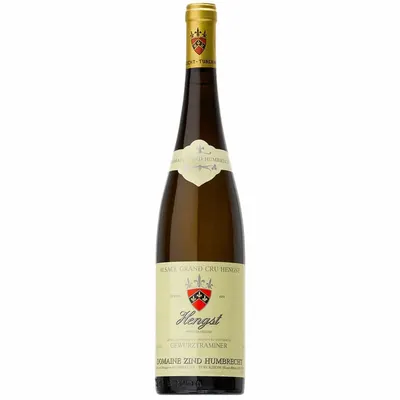
2008 - Domaine Zind Humbrecht - Gewurztraminer - Grand Cru - Hengst SGN
- 2008
- 75cl
- Gewurztraminer
Siamo spiacenti, possiamo accogliere solo visitatori maggiorenni.
Ops, ho sbagliato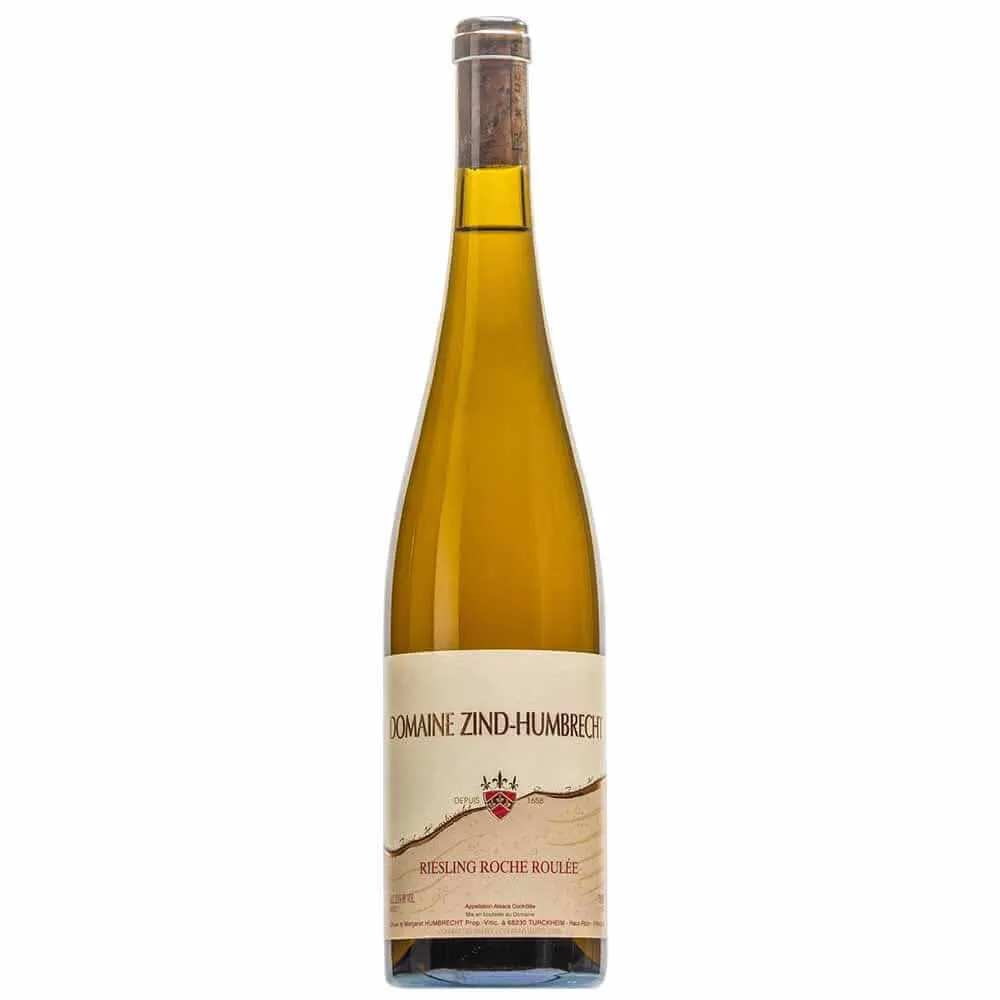
Annata
Formato
Prezzo
€26.40 IVA esclusa
DisponibileDisponibile
Un leggero sentore di affumicato è tutto ciò che sfugge dal naso timido e chiuso. Il palato di questo vino entra con un flusso succoso, trasportando una ricchezza di prugne Mirabelle mature e fresche incorniciate da una bellissima texture fibrosa. Il vino offre intensità e un finale secco, e sembra una brezza estiva.
Domaine Zind-Humbrecht è un rinomato produttore di vini situato nella regione dell'Alsazia in Francia. L'azienda ha una lunga storia che risale al XVII secolo quando è stata fondata dalla famiglia Zind. Nel 1959, l'azienda è stata acquisita da Léonard Humbrecht, un viticoltore di un villaggio vicino. Oggi, l'azienda è gestita da Olivier Humbrecht, figlio di Léonard, considerato uno dei più talentuosi viticoltori della Francia.
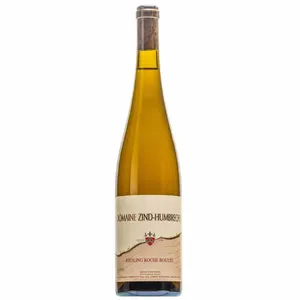
Domaine Zind-Humbrecht è conosciuta per i suoi eccezionali vini Riesling, e la Roche Roulée è una delle loro offerte più popolari. La Roche Roulée è prodotta con uve coltivate su un vigneto collinare ripido e roccioso noto per il suo terroir unico. Il terreno è composto da granito e gneiss, che conferisce al vino un carattere minerale distintivo.
La produzione della Riesling Roche Roulée viene effettuata in stile tradizionale, con un focus su un intervento minimo. Le uve vengono raccolte a mano e selezionate, quindi pressate delicatamente per estrarre il succo. Il succo viene quindi fermentato in grandi botti di rovere utilizzando lieviti naturali. Il vino viene invecchiato nelle stesse botti per diversi mesi prima di essere imbottigliato.
Il vino risultante è una bellissima espressione del terroir dell'Alsazia. Ha un colore giallo pallido e un bouquet complesso di agrumi, pesca e note minerali. Al palato, il vino è secco e fresco, con un'acidità vivace e una lunga finitura minerale. La Riesling Roche Roulée è un abbinamento perfetto per frutti di mare, molluschi e cucina asiatica piccante.
Nel complesso, Domaine Zind-Humbrecht è un produttore dedicato alla produzione di vini di alta qualità che riflettono il terroir unico della regione dell'Alsazia. La loro Riesling Roche Roulée è una testimonianza del loro impegno verso le tecniche tradizionali di vinificazione e la loro passione per la produzione di vini eccezionali.
Se stai cercando un vino che sia sia delizioso che unico, la Riesling Roche Roulée di Domaine Zind-Humbrecht vale sicuramente la pena provare.
Produttore
Domaine Zind Humbrecht è una cantina a conduzione familiare situata a Turckheim, in Alsazia, Francia. L'azienda pratica la viticoltura biodinamica dal 1990 ed è certificata sia per i metodi agricoli biologici che biodinamici…
Scopri Domaine Zind HumbrechtRegione
L'Alsazia si estende lungo il confine orientale della Francia con la Germania, formando una stretta fascia tra i Vosgi e il fiume Reno. Questa posizione geografica unica ha plasmato sia le tradizioni vinicole della regione che…
Scopri Alsazia