95 RP Points
98 RP Points
97 RP Points
94 RP Points
95 RP Points
93 RP Points
94 RP Points
94 RP Points
99 RP Points
99 RP Points
93 RP Points
94 RP Points
100 RP Points
95 RP Points
98 RP Points
97 RP Points
99 RP Points
98 RP Points
99 RP Points
94 RP Points
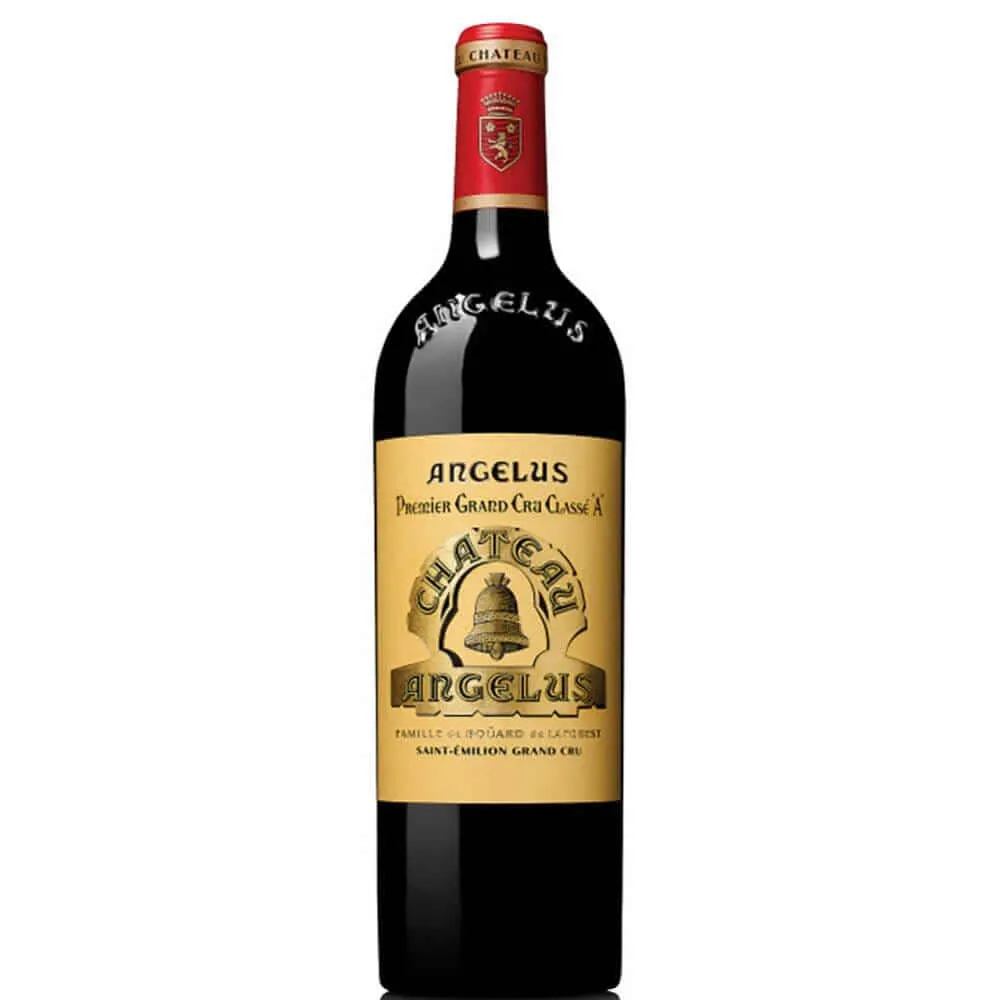
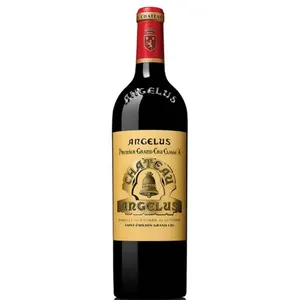
Château Angélus - 2017 - 75cl - Onshore Cellars
Jahrgang
Maat
Normale prijs €431.97
Price on application/
  • 3 op voorraad
  • Inventaris onderweg
Inclusief belasting. /nl-de/policies/shipping-policy '>Verzendkosten worden berekend bij het afrekenen.

Tasting Notes

Loading tasting notes…

Loading tasting notes…

Loading tasting notes…

Loading tasting notes…

Loading tasting notes…

Loading tasting notes…

Loading tasting notes…

Loading tasting notes…

Loading tasting notes…

Loading tasting notes…

Loading tasting notes…

Loading tasting notes…

Loading tasting notes…

Loading tasting notes…

Loading tasting notes…

Loading tasting notes…

Loading tasting notes…

Loading tasting notes…

Loading tasting notes…

Loading tasting notes…

Meer informatie

Provenance
Type
Country
Appellation
Technical
ABV
14.5%
Serving
16° - 18° C
Drinking
2010 - 2030
Food Pairings
RindfleischLammfleischWildfleischWildgeflügelEnteWurstwaren und Pökelwaren
Key Characteristics
["High alcohol""Warming""Full-bodied""Black fruit""Liquorice""Concentrated"]

Achter de fles

Château Angélus

Château Angélus

Château Angelus ist ein renommiertes Weingut in der Appellation Saint-Émilion im französischen Bordeaux. Die Geschichte des Anwesens reicht bis ins 18. Jahrhundert zurück, als es sich im...

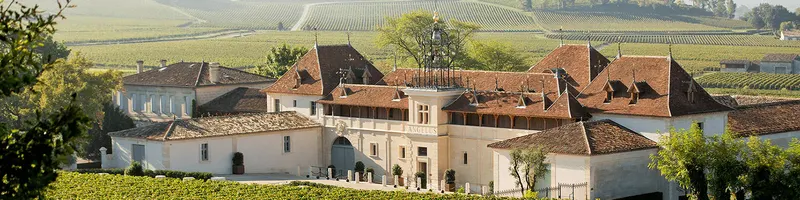
Château Angelus ist ein renommiertes Weingut in der Appellation Saint-Émilion im französischen Bordeaux. Die Geschichte des Anwesens reicht bis ins 18. Jahrhundert zurück, als es sich im Besitz der Familie de Boüard de Laforest befand. Der Name „Angelus“ soll vom Klang der Angelusglocken der nahegelegenen Kirche inspiriert sein.

Die Weinberge von Château Angelus erstrecken sich über rund 23 Hektar und sind mit einer Cuvée aus Merlot, Cabernet Franc und Cabernet Sauvignon bepflanzt. Das Weingut ist bekannt für sein Engagement für nachhaltige Weinbaupraktiken, darunter der Einsatz von Gründüngung, natürlichen Düngemitteln und integrierten Schädlingsbekämpfungsmethoden.

Die Weinherstellung auf Château Angelus vereint traditionelle und moderne Techniken. Die Trauben werden von Hand gelesen und sortiert, bevor sie in temperaturkontrollierten Edelstahltanks vergoren werden. Anschließend reift der Wein bis zu 24 Monate in Eichenfässern, bevor er abgefüllt wird.

Die Weine von Château Angelus sind für ihre Eleganz, Komplexität und ihr Reifepotenzial bekannt. Der Flaggschiffwein, Château Angelus, ist eine Cuvée aus Merlot und Cabernet Franc und zählt zu den Spitzenweinen der Appellation Saint-Émilion. Das Weingut produziert außerdem einen Zweitwein, Le Carillon d'Angelus, ebenfalls eine Cuvée aus Merlot und Cabernet Franc.

Château Angelus hat im Laufe der Jahre zahlreiche Auszeichnungen erhalten, darunter die Ernennung zum Premier Grand Cru Classé A im Klassifizierungssystem von Saint-Émilion. Das Weingut wurde zudem von Weinkritikern und Publikationen wie Wine Spectator und Robert Parkers Wine Advocate gewürdigt.

Insgesamt verkörpert Château Angelus die reiche Geschichte und Tradition des Bordeaux-Weinbaus und setzt gleichzeitig auf moderne Techniken und nachhaltige Praktiken. Die Weine dieses Weinguts sind bei Sammlern und Weinliebhabern weltweit sehr begehrt.

Château Angélus
Bordeaux - Onshore Cellars

Bordeaux

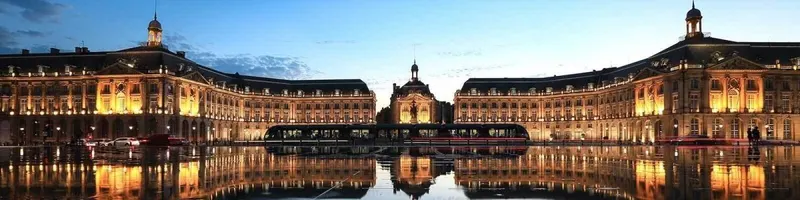
Bordeaux, in het zuidwesten van Frankrijk, behoeft weinig introductie als een van 's werelds beroemdste, meest prestigieuze en meest productieve wijnregio's. De meerderheid van de Bordeauxwijnen (bijna 90...
Bordeaux, in het zuidwesten van Frankrijk, behoeft weinig introductie als een van 's werelds beroemdste, meest prestigieuze en meest productieve wijnregio's. De meerderheid van de Bordeauxwijnen (bijna 90 procent van het productievolume) zijn de droge, medium- en volle rode Bordeaux Blends die zijn reputatie hebben gevestigd.

De beste (en duurste) hiervan zijn de wijnen van de grote châteaux van de Haut-Médoc en de Right Bank appellations Saint-Émilion en Pomerol. De eerste is gericht (op het hoogste niveau) op Cabernet Sauvignon, de laatste paart op Merlot.

De legendarische rode wijnen worden aangevuld met hoogwaardige witte wijnen op basis van Sémillon en Sauvignon Blanc. Deze variëren van droge witte wijnen die de beste wijnen uit de Bourgogne (Pessac-Léognan is met name beroemd) uitdagen tot de zoete, botrytische nectars van Sauternes.
Verken Bordeaux
Saint-Émilion

Saint-Émilion

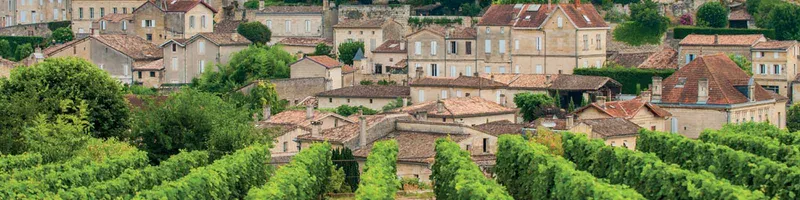
Saint-Émilion is one of Bordeaux's most historic wine appellations, located on the Right Bank of the Dordogne River approximately 40 kilometers east of Bordeaux city. The appellation encompasses...

Saint-Émilion is one of Bordeaux's most historic wine appellations, located on the Right Bank of the Dordogne River approximately 40 kilometers east of Bordeaux city. The appellation encompasses the medieval town of Saint-Émilion and eight surrounding communes, with vineyards planted across a diverse landscape of plateaus, hillsides, and sandy plains. Saint-Émilion received AOC status in 1936 and operates under its own classification system, separate from the Left Bank's 1855 Classification.

The appellation's terroir is notably varied, featuring three distinct soil types: limestone plateaus around the town itself, clay-limestone slopes (côtes), and sandy-gravel soils (graves) in the plains toward the Dordogne. This diversity allows for different expressions within the same appellation. The climate is oceanic with maritime influences from the nearby river systems. Merlot dominates plantings and typically comprises 60-70% of most blends, supported by Cabernet Franc and smaller amounts of Cabernet Sauvignon. The appellation produces exclusively red wines, with many estates holding Grand Cru status.

Saint-Émilion wines are generally more approachable in their youth compared to Left Bank Bordeaux, owing to the predominance of Merlot. They typically display rich fruit flavors with plum and blackberry notes, complemented by earthy minerality that reflects the limestone soils. The Cabernet Franc component adds structure and aromatic complexity, while the diverse terroir creates wines ranging from elegant and mineral-driven on the plateaus to fuller-bodied and fruit-forward from the clay slopes.

Lees meer