
- Robert Parker-punten (RP)
- Vinous-punten
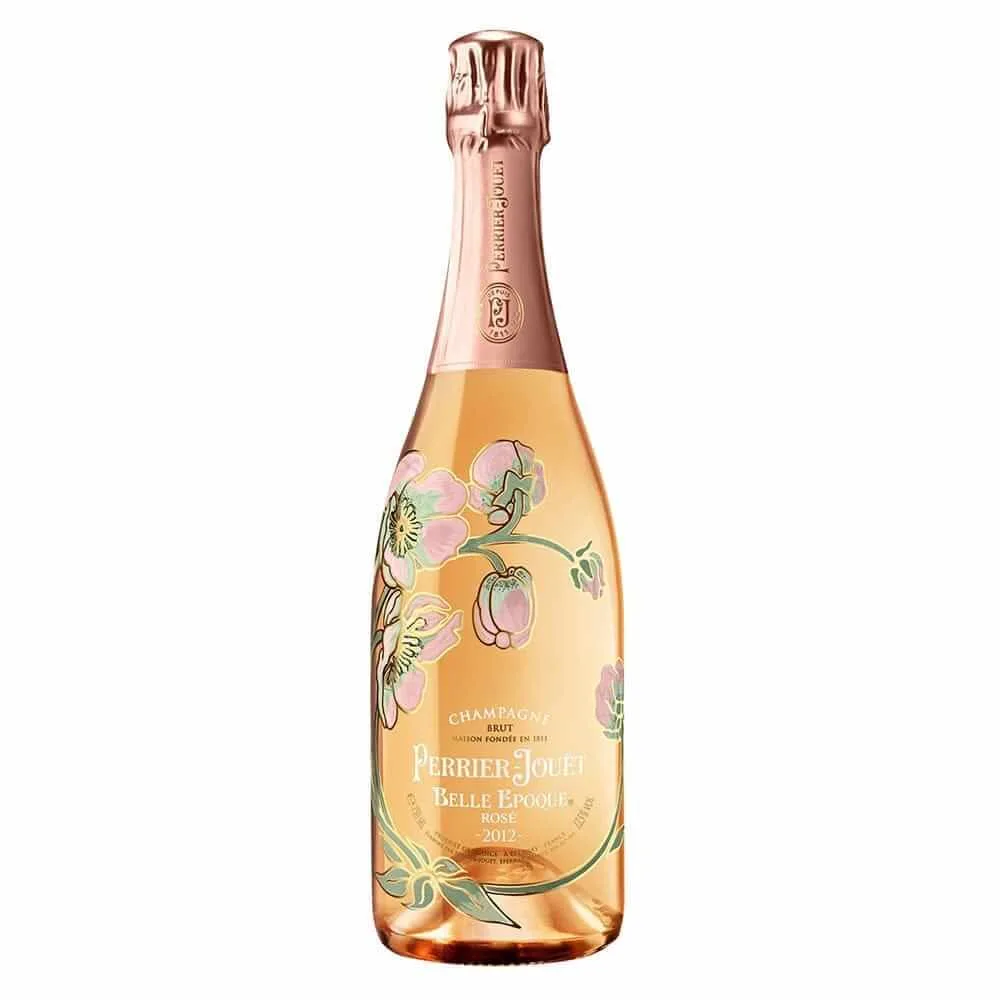
Perrier-Jouët - Belle Époque - Rosé
Jaargang
2014
Formaat
75cl
Prijs
€414.00 excl. btw
Op voorraadOp voorraad
Proefnotities
Entry: Wild strawberry, raspberry, white peach. Mid-palate: Citrus zest, fresh brioche, slight herbal lift Finish: Long, mineral-driven with delicate spice and floral persistence. Harmonious and refined, with a balance of freshness, floral lift, and red berry depth. The style is elegant rather than powerful.
Meer informatie
Herkomst
- Type
- Mousserend
- Producent
- Perrier-Jouët
- Land
- Frankrijk
- Appellatie
- Champagne
- Regio
- Champagne
- Stijl
- Brut
Technisch
- Jaargang
- 2014
- Druiven
- Chardonnay, Pinot Noir
- Alcoholpercentage
- 12.5%
- Formaat
- 75cl
- Rijping
- Serveren
- 8° - 10° C
- Drinkvenster
Spijscombinaties
Kenmerken
Meer over: Mousserende wijn
Perrier-Jouët - Belle Epoque - Rosé
Geniet van de luxueuze smaak van Perrier-Jouët - Belle Epoque - Rosé, een champagne die zelfs de meest veeleisende fijnproevers zal imponeren. Deze voortreffelijke champagne is een blend van Chardonnay, Pinot Noir en Pinot Meunier druiven, zorgvuldig geselecteerd uit de beste wijngaarden in de Champagnestreek van Frankrijk.
Het smaakprofiel van Perrier-Jouët - Belle Epoque - Rosé is een perfecte balans van fruitige en bloemige tonen, met een delicaat aroma van rode vruchten en citrus. Het palet is rijk en complex, met een romige textuur en een lange, aanhoudende afdronk.
Perrier-Jouët - Belle Epoque - Rosé wordt geproduceerd door een van de oudste en meest gerespecteerde champagnehuizen in Frankrijk, met een geschiedenis die teruggaat tot 1811. De champagne is vernoemd naar het Belle Epoque-tijdperk, een periode van elegantie en verfijning in de Franse geschiedenis.
Deze champagne is perfect voor speciale gelegenheden, zoals bruiloften, jubilea of andere feesten die om een vleugje luxe vragen. Geniet ervan met uw geliefden of combineer het met een heerlijke maaltijd om de smaken van uw eten te versterken.
Ervaar de smaak van Perrier-Jouët - Belle Epoque - Rosé en ontdek waarom het een van de meest gewilde champagnes ter wereld is.
Meer van Perrier-Jouët
Alles bekijken
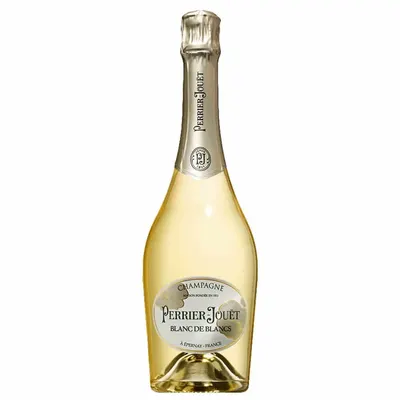
Meer van Champagne
Alles bekijken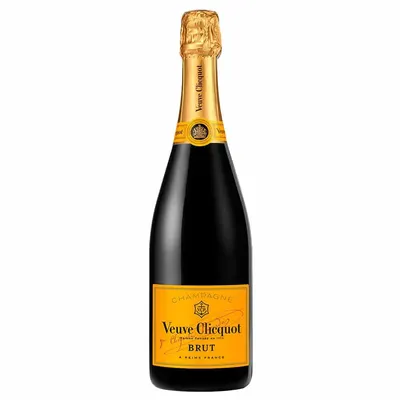
Veuve Clicquot - Ponsardin - Yellow Label - Brut
- NV
- 75cl
- Pinot Meunier, Pinot Noir, Chardonnay
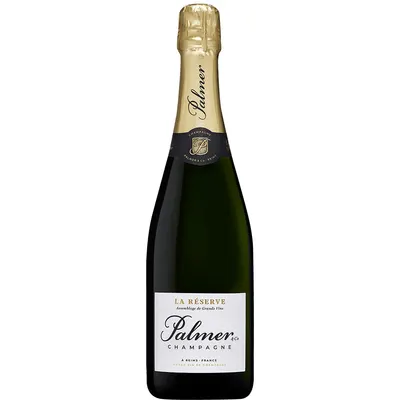
Palmer & Co. Champagne - La Réserve - Brut
- NV
- 75cl
- Chardonnay, Pinot Noir, Pinot Meunier
Achter de fles

Producent
Perrier-Jouët
Perrier-Jouët is een Champagnehuis opgericht in 1811 in Épernay, gelegen in het hart van de Champagnestreek in Frankrijk. Het huis produceert uitsluitend mousserende wijnen onder de Champagne-appellation, met behulp van de drie…
Ontdek Perrier-Jouët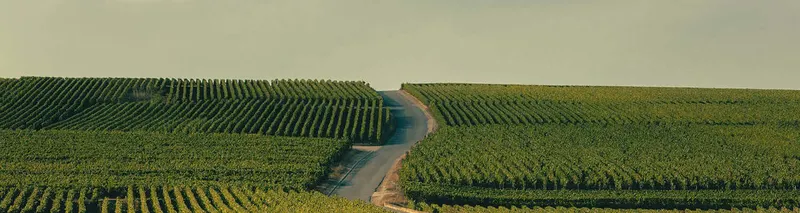
Regio
Champagne
In 1668 zou Dom Pérignon ontdekt hebben hoe mousserende wijn gemaakt moet worden; vandaag de dag wordt zijn techniek over de hele wereld gebruikt, hoewel Champagne nog steeds een aantal van de beste wijnen produceert. Champagne…
Ontdek Champagne