
- Robert Parker-punten (RP) 92
- Vinous-punten
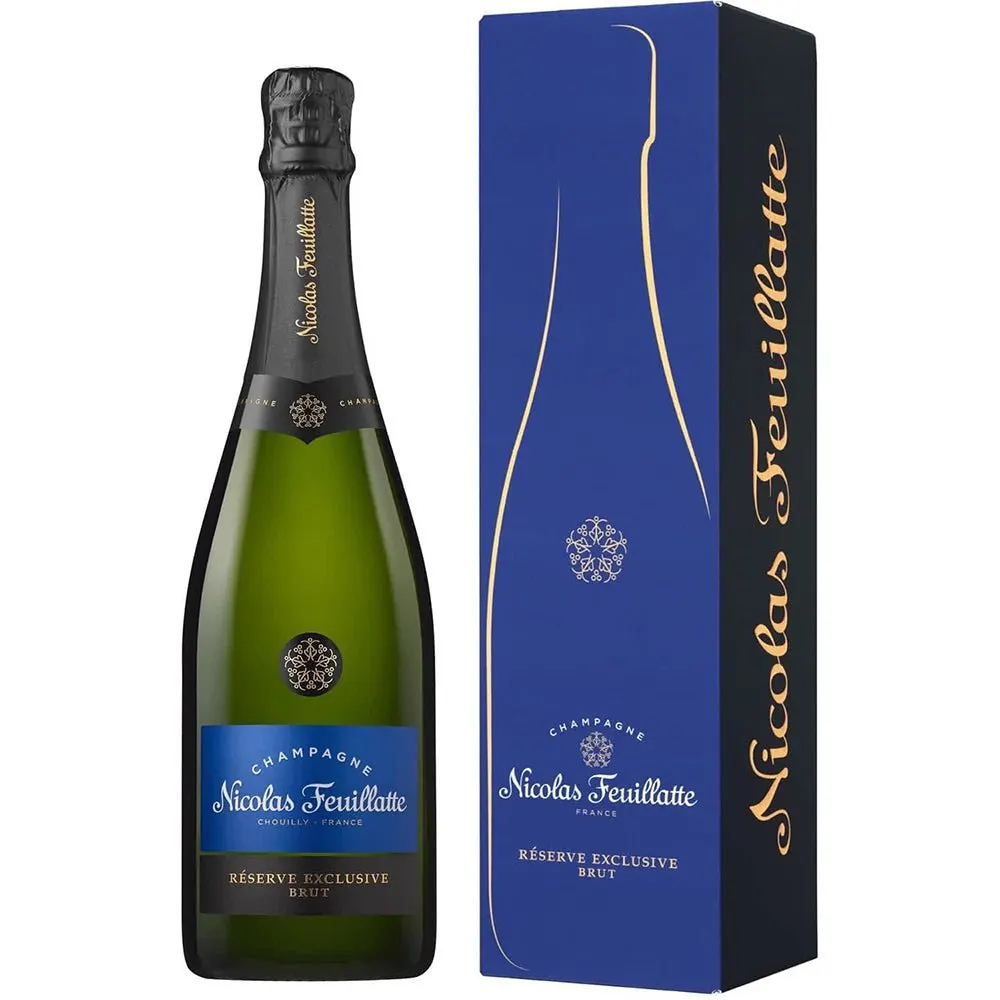
Nicolas Feuillatte - Réserve Exclusive Brut
Jaargang
NV
Formaat
75 cl
Prijs
€39.60 excl. btw
Op voorraadOp voorraad
Proefnotities
Een emblematische cuvée, de Réserve Exclusive Brut champagne belichaamt perfect de Nicolas Feuillatte stijl. Deze Réserve Exclusive Brut bestrijkt de appellation en brengt alle terroirs van Champagne samen, wat aantoont dat het gaat om een bekwame synthese: het is een luchtige, dynamische en frisse champagne, met frank en expressief fruit, geanimeerd door een prachtige rijpheid dankzij een verlengde rijping van 3 tot 4 jaar in de kelder, waardoor smaak en consistentie worden geperfectioneerd. De noten van sappige peer en knapperige abrikoos vermengen zich in een mooie fusie rond een fijne perlage, en ontvouwen zich in de loop van de tijd.
Meer informatie
Herkomst
- Type
- Mousserend
- Producent
- Nicolas Feuillatte
- Land
- Frankrijk
- Appellatie
- Champagne
- Regio
- Champagne
Technisch
- Jaargang
- NV
- Druiven
- Pinot Noir, Chardonnay, Pinot Meunier
- Alcoholpercentage
- 12%
- Formaat
- 75cl
- Rijping
- Serveren
- 8° - 10° C
- Drinkvenster
Spijscombinaties
Kenmerken
Meer over: Mousserende wijn
Nicolas Feuillatte Réserve Exclusive Brut is een referentie-Champagne van een van de meest gerespecteerde producenten van de streek. Gemaakt van een zorgvuldig uitgebalanceerde blend van Pinot Noir, Chardonnay en Pinot Meunier, deze mousserende wijn is een voorbeeld van het commitment van het huis voor consistentie en kwaliteit over jaargangen heen. De blend brengt de structuur en diepte van Pinot Noir, de elegantie van Chardonnay en de fruitigheid van Pinot Meunier samen om een harmonieuze, middelzware expressie met een fijne mousse en verfrissend karakter te creëren.
Gevestigd in Épernay, Nicolas Feuillatte put uit premier en grand cru wijngaarden in heel Champagne, wat nauwkeurige controle over fruitkwaliteit en smaakprofiel mogelijk maakt. De Réserve Exclusive vertegenwoordigt de huisstijl: toegankelijk maar verfijnd, met heldere groene fruiten- en steenfruitsnotities en een uitnodigende frissheid die het even geschikt maakt voor celebratie als voor terloops genot.
Deze Champagne past uitstekend bij schelpdieren, krab en kreeft, waardoor het een ideale keuze is voor menu's met zeevruchten. Het complimenteert ook gevogelte, verse salades en lichtere voorgerechtjes, en biedt veelzijdigheid voor zowel intieme bijeenkomsten als verfijnd entertainement thuis, aan boord of aan tafel.
Meer van Nicolas Feuillatte
Alles bekijken
Meer van Champagne
Alles bekijken
Veuve Clicquot - Ponsardin - Yellow Label - Brut
- NV
- 75cl
- Pinot Meunier, Pinot Noir, Chardonnay
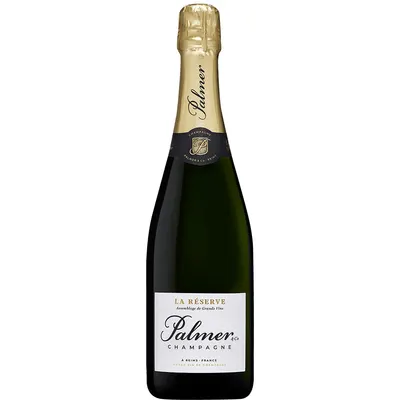
Palmer & Co. Champagne - La Réserve - Brut
- NV
- 75cl
- Chardonnay, Pinot Noir, Pinot Meunier
Achter de fles
Producent
Nicolas Feuillatte
Nicolas Feuillatte is een Champagnehuis gevestigd in Épernay, in het hart van de Champagnestreek in Frankrijk. Het huis werkt als coöperatief, samenwerkend met talrijke telers in de streek om druiven uit verschillende…
Ontdek Nicolas Feuillatte
Regio
Champagne
In 1668 zou Dom Pérignon ontdekt hebben hoe mousserende wijn gemaakt moet worden; vandaag de dag wordt zijn techniek over de hele wereld gebruikt, hoewel Champagne nog steeds een aantal van de beste wijnen produceert. Champagne…
Ontdek Champagne