
Le Vigne di Alice
Visti di recente
Le Vigne di Alice
Le Vigne di Alice is a small, family-owned winery located in the heart of the Langhe region in Piedmont, Italy. The winery is run by the Parusso family, who have been producing high-quality wines for over a century. Their dedication to tradition and innovation has made them one of the most respected winemakers in the region.
The Langhe region, also known as the "land of wine and truffles," is located in the northern part of Italy and is famous for its rich history and exceptional wines. It is home to some of the world's most renowned vineyards, which produce top-quality wines such as Barolo, Barbaresco, and Nebbiolo. Le Vigne di Alice is no exception, and their wines are a true reflection of the unique terroir of the Langhe.
The winery's name, Le Vigne di Alice, pays homage to the founder's grandmother, Alice, who was a key figure in the family's winemaking history. The Parusso family believes in preserving their heritage and traditions, which is evident in their winemaking techniques. They use only the best hand-picked grapes from their own vineyards, which are carefully tended to by hand, ensuring the highest quality of fruit.
Le Vigne di Alice produces a range of outstanding wines, including Barolo, Barbera d'Alba, Dolcetto d'Alba, and Langhe Nebbiolo. Their flagship wine, the Barolo Bussia, is a true representation of the winery's philosophy and showcases the best of their terroir. It is made with 100% Nebbiolo grapes and aged for at least two years in oak barrels, followed by an additional year of aging in the bottle. This results in a complex, full-bodied wine with elegant tannins and a long finish.
The winery also produces a limited quantity of sparkling wines, which are made using the traditional method and aged
Le Vigne di Alice
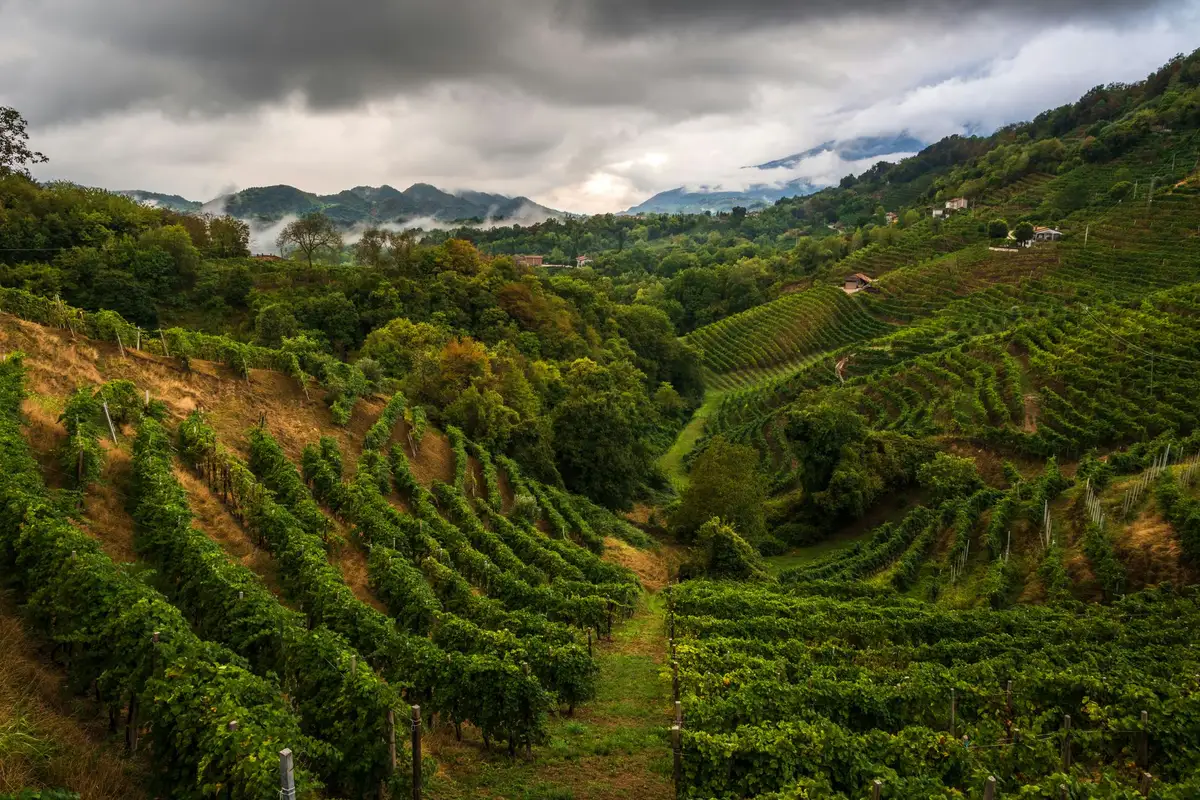
Le Vigne di Alice is a sparkling wine producer based in the Veneto region of northeastern Italy, working within the Prosecco Conegliano Valdobbiadene DOCG, the appellation that represents the historical heartland of Prosecco production. The designation covers the hills between the towns of Conegliano and Valdobbiadene, a UNESCO World Heritage landscape of steep, terraced vineyards that was granted DOCG status in 2009, distinguishing it from the broader Prosecco DOC zone.
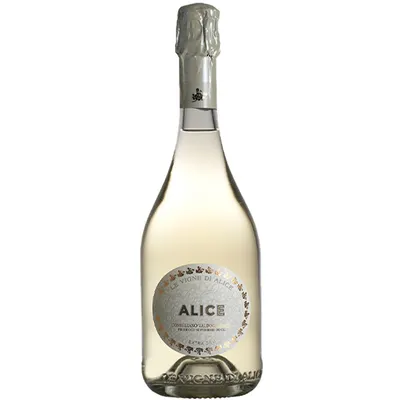
The Conegliano Valdobbiadene DOCG is built almost entirely on Glera, the white grape responsible for Prosecco's characteristic lightness, floral aromatics, and notes of green apple, pear, and white peach. Wines made here undergo secondary fermentation using the Charmat (or Martinotti) method, in which bubbles develop in pressurised tanks rather than in bottle. The "Extra Dry" style, despite its name, falls in the off-dry category with a residual sugar range of 12–17 g/L, making it slightly sweeter than Brut.
Le Vigne di Alice produces Prosecco Conegliano Valdobbiadene Extra Dry from Glera, releasing it across vintages. The vintage-dated approach, while not universal in Prosecco production, reflects an emphasis on the character of a specific harvest rather than a consistent house blend.