
- Punti Robert Parker (RP)
- Punti Vinous
Isabelle & Denis Pommier - Chablis
Prezzo
€25.20 Esaurito
Esaurito
Richiedere la disponibilitàNote di degustazione
Qui ha un bouquet luminoso e leggero con sentori gessosi e calcarei che si dispiegano con entusiasmo dal bicchiere. Il palato è piuttosto vivace all'attacco e non nasconde affatto i suoi toni tropicali che diventano un po' troppo dominanti nel finale.
Altre informazioni
Provenienza
- Tipo
- Bianco
- Produttore
- Isabelle & Denis Pommier
- Paese
- Francia
- Denominazione
- Chablis
- Regione
- Borgogna
Tecnica
- Annata
- Vitigni
- Gradazione alcolica
- Formato
- Affinamento
- Servizio
- 10° - 12° C
- Finestra di beva
Abbinamenti
Caratteristiche
Informazioni: Vino
Isabelle & Denis Pommier Chablis è un classico vino bianco francese con una ricca storia che risale al XIX secolo. La famiglia Pommier produce vini Chablis da generazioni ed è rinomata per la sua attenzione ai dettagli e la dedizione alla creazione di vini eccezionali.
Questo Chablis ha un colore giallo pallido e un profilo gustativo fresco e croccante. Al naso, rivela aromi di fiori bianchi e mela verde, con un sottile accenno di mineralità. Al palato, è vivace e ben equilibrato, con un'acidità rinfrescante e una lunga, asciutta persistenza.
Questo vino è realizzato utilizzando uve Chardonnay al 100% da vigneti situati nel cuore della regione di Chablis. Le uve sono selezionate con cura e raccolte a mano per garantire che solo le uve di migliore qualità vengano utilizzate nel processo di vinificazione. Il vino viene quindi affinato per diversi mesi in vasche di acciaio inossidabile per preservare i suoi delicati aromi e la freschezza.
Isabelle & Denis Pommier Chablis è un vino versatile che si abbina bene con una vasta gamma di piatti. Si sposa particolarmente bene con i frutti di mare, come ostriche, granchio e gamberi. Si abbina bene anche con piatti di carne bianca, insalate e piatti vegetariani.
Che tu stia gustando un pasto con amici o semplicemente sorseggiando un bicchiere in una calda serata estiva, Isabelle & Denis Pommier Chablis è la scelta perfetta. Acquista ora e sperimenta il gusto di questo classico vino bianco francese.
Altro da Chablis
Vedi tutto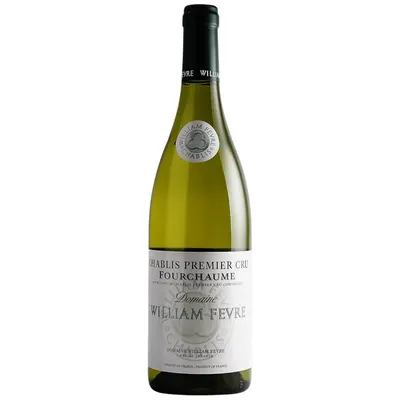
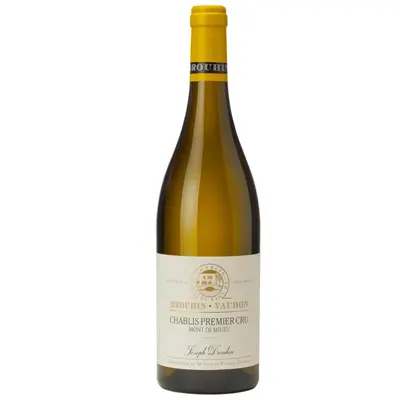
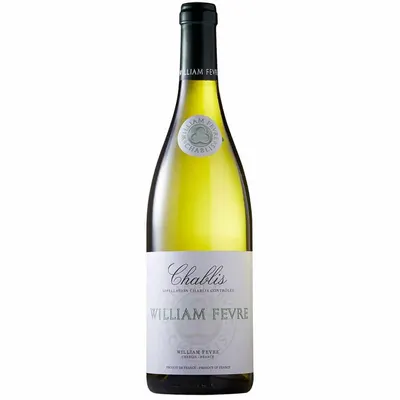
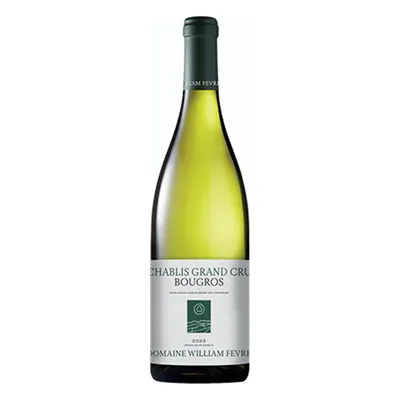
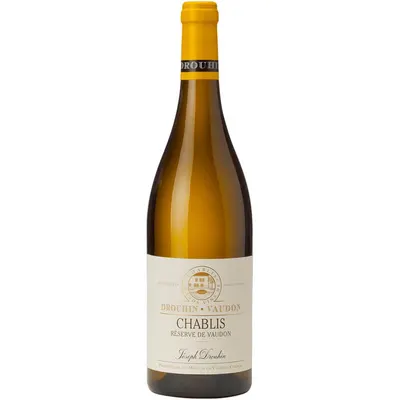
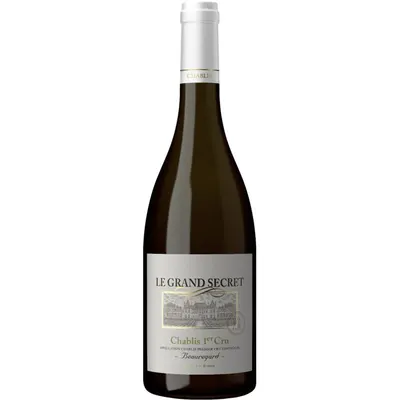
- Kosher
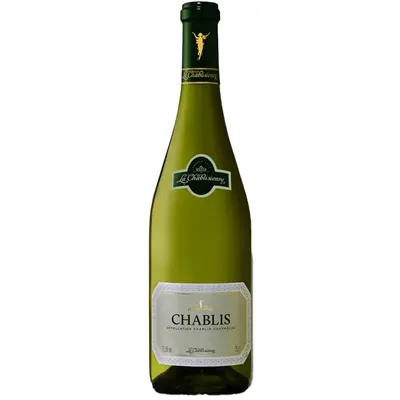
- Kosher
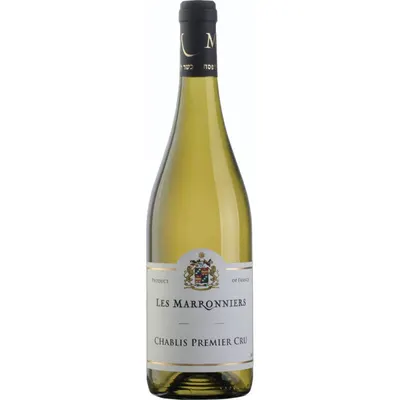
- Kosher
Dietro la bottiglia
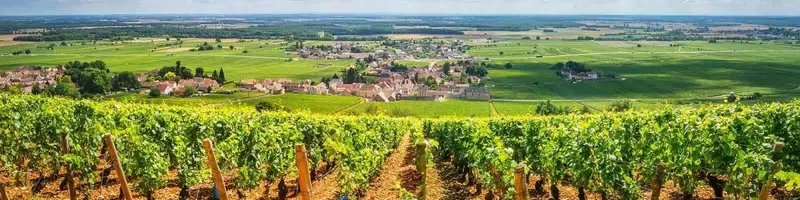
Regione
Borgogna
La regione vinicola francese della Borgogna (aka "Bourgogne") può essere piccola come dimensioni, ma la sua influenza è enorme nel mondo del vino. La complessità della Borgogna può infondere paura nel cuore anche di un…
Scopri Borgogna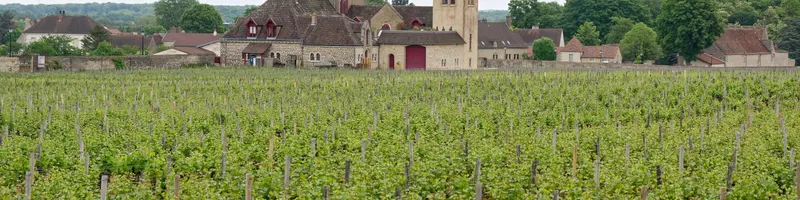
Denominazione
Chablis
Chablis è una piccola denominazione situata nella parte più settentrionale della Borgogna, nel nord-ovest della Francia. La regione si trova a circa 240 chilometri a nord dalle principali aree di produzione del resto della…
Scopri Chablis