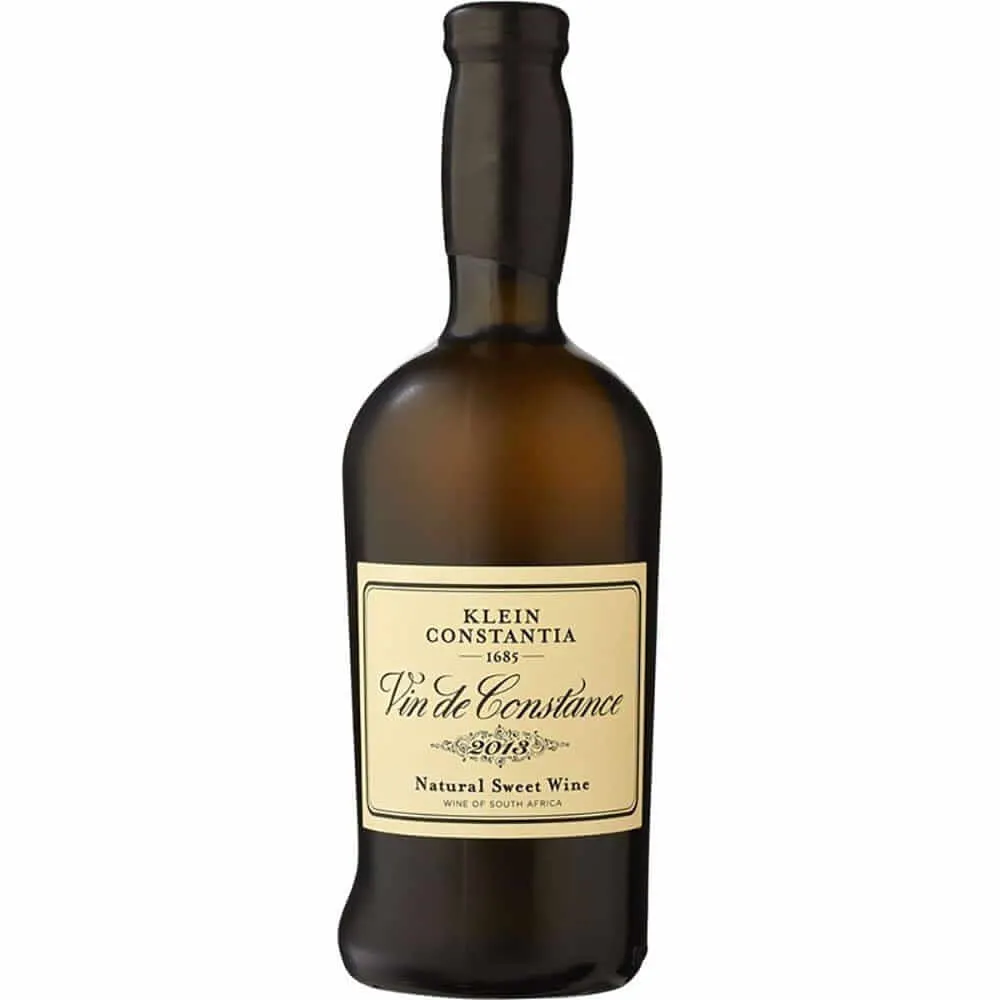
Klein Constantia - Vin de Constance

97 RP Points
94 RP Points
94 RP Points
96 RP Points
97 RP Points
Klein Constantia - Vin de Constance - 2017 - 50cl - Onshore Cellars

Klein Constantia - Vin de Constance

Annata
Formato
Prezzo di listino 454,00 zł
Price on application/
  • In magazzino, pronto per la spedizione
  • Inventario in arrivo
Imposte incluse. Spedizione calcolata alla cassa.

Tasting Notes

Loading tasting notes…

Loading tasting notes…

Loading tasting notes…

Loading tasting notes…

Loading tasting notes…

Loading tasting notes…

Loading tasting notes…

Loading tasting notes…

Più informazioni

Provenance
Type
Country
Appellation
Producer
Technical
Grapes
ABV
14%
Serving
10° - 12° C
Drinking
2075
Food Pairings
ShellfishSushi and SashimiFoie GrasAsian CuisineCitrus-Based DishesBrieCamembertBlue CheeseFruit-Based DessertsCreme BruleeCakes
Key Characteristics
["Full-bodied""Sweet""Lively""Long finish""Balanced""Medium(+) alcohol"]

La Storia della Bottiglia

Klein Constantia

Klein Constantia

Klein Constantia is a South African wine estate located in the Constantia ward of the Coastal Region, situated on the slopes of the Constantiaberg mountains near Cape Town....

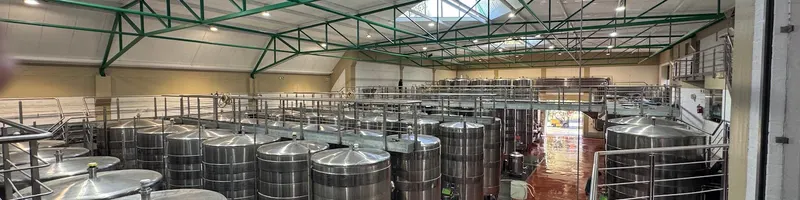
Klein Constantia is a South African wine estate located in the Constantia ward of the Coastal Region, situated on the slopes of the Constantiaberg mountains near Cape Town. The estate operates in one of South Africa's oldest and most historically significant wine regions, producing wines that reflect the area's unique terroir and maritime climate influence.

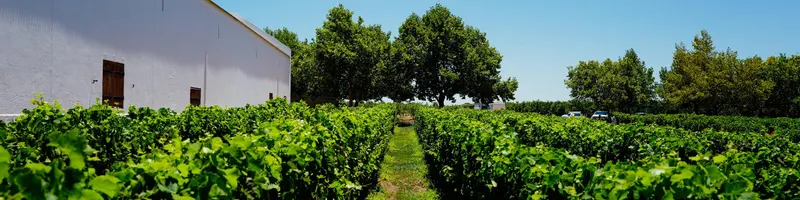
The Constantia region is renowned for its naturally sweet dessert wines, particularly those made from Muscat grapes. The area's cool maritime climate, influenced by False Bay and the Atlantic Ocean, creates ideal conditions for the development of botrytis cinerea, the noble rot that concentrates sugars and flavors in grapes destined for sweet wine production. This microclimate, combined with granite-based soils and southeastern slopes, allows for extended ripening periods that are crucial for premium dessert wine production.

Klein Constantia's current range includes Vin de Constance, a Muscat-based sweet wine that represents the estate's connection to the historic Constantia sweet wine tradition. This style of wine has deep roots in the region's viticultural heritage, dating back centuries when Constantia wines were prized by European nobility.

Klein Constantia
Constantia

Constantia

Constantia è la più antica regione vinicola del Sudafrica, situata nella Coastal Region del Western Cape, appena a sud di Città del Capo. L'area è stata piantata per...

Constantia è la più antica regione vinicola del Sudafrica, situata nella Coastal Region del Western Cape, appena a sud di Città del Capo. L'area è stata piantata per la prima volta con viti negli anni 1680 dal governatore olandese Simon van der Stel, che ha stabilito la tenuta originale di Constantia. La regione è divisa in diversi storici vigneti, con Klein Constantia che è una delle proprietà più importanti che continua la tradizione vinicola dell'area.

La valle di Constantia beneficia di un terroir unico plasmato dalla sua posizione tra Table Mountain e False Bay. L'influenza marittima dell'oceano vicino modera le temperature, mentre i suoli di granito e arenaria forniscono un eccellente drenaggio. La regione è particolarmente adatta alla produzione di vini dolci da dessert dalle varietà Muscat, seguendo metodi che risalgono a diversi secoli. Lo stile tradizionale Vin de Constance comporta uve vendemmiate tardivamente che sviluppano zuccheri concentrati e sapori complessi attraverso una maturazione prolungata.

I vini dolci di Constantia mostrano la caratteristica ricchezza di miele equilibrata dall'acidità naturale del clima fresco. Questi vini da dessert in genere mostrano aromatici intensi di fiore d'arancio, frutta secca e spezie, con una texture glicerica che sviluppa maggiore complessità con l'invecchiamento. La reputazione storica della regione è stata costruita su questi vini naturalmente dolci, che una volta erano tra i vini da dessert più ricercati in Europa durante il XVIII e XIX secolo.

Leggi di più