6 L
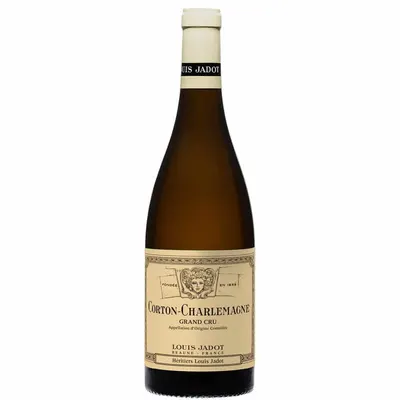
2018 - Louis Jadot - Corton-Charlemagne - Grand Cru - Mathusalem - 6L
- 2018
- 600cl
- Chardonnay
Désolés, nous ne pouvons accueillir que les visiteurs de 18 ans ou plus.
Oups, je me suis trompéPrix
€348.00 Épuisé
Épuisé
Se renseigner sur la disponibilitéThe 2010 Chapelle-Chambertin is dark and brooding. Cool, mineral notes lead to slate, black cherries, tar and licorice. This is a decidedly muscular, intense Burgundy with tons of density and power enshrouded by statuesque tannins. The sheer power and intensity suggest the Chapelle will require considerable patience. This big, dramatic wine is built for the cellar, but it is without question a showstopper, even today.
Louis Jadot est un producteur renommé de vins et spiritueux fins, avec une longue et riche histoire remontant au 19e siècle. Le Chapelle-Chambertin Grand Cru est l'une de leurs offres les plus célébrées, et est largement considéré comme l'un des plus beaux vins du monde.
Le Chapelle-Chambertin Grand Cru est produit en utilisant uniquement les plus beaux raisins, qui sont soigneusement sélectionnés et cueillis à la main pour assurer la plus haute qualité. Le vin est ensuite vieilli en fûts de chêne pendant plusieurs années, ce qui lui permet de développer son profil de saveur riche et complexe.
Le style de production utilisé par Louis Jadot est ancré dans la tradition, avec un accent sur la préservation du caractère naturel des raisins et du terroir dans lequel ils sont cultivés. Cette approche donne des vins qui sont corsés, riches et complexes, avec une profondeur de saveur qui n'est pas égalée par d'autres producteurs.
Le Chapelle-Chambertin Grand Cru en est un exemple parfait, avec une couleur rouge rubis profond et un arôme complexe de cerise noire, framboise et épices. En bouche, le vin est corsé et riche, avec une texture veloutée et une finale longue et persistante.
Louis Jadot est également connu pour son engagement envers la durabilité et la responsabilité environnementale, avec un accent sur la réduction de son empreinte carbone et la préservation des ressources naturelles des régions dans lesquelles il opère. Cet engagement se reflète dans la qualité de leurs vins, qui sont produits en utilisant uniquement les plus beaux raisins et les pratiques les plus durables.
Dans l'ensemble, le Chapelle-Chambertin Grand Cru est un vin vraiment exceptionnel, et un témoignage du savoir-faire et de l'expertise de Louis Jadot. Que vous soyez un connaisseur de vin chevronné ou simplement à la recherche d'une bouteille spéciale pour célébrer une occasion spéciale, ce vin ne manquera pas de vous impressionner.
Producteur
Louis Jadot est une maison de négoce bourguignonne établie à Beaune en 1859. L'entreprise opère depuis la Côte de Beaune et produit des vins à travers plusieurs appellations de Bourgogne, des mises en bouteille de niveau village…
Découvrir Louis JadotRégion
La région viticole française de Bourgogne (alias « Bourgogne ») peut être petite par sa taille, mais son influence est énorme dans le monde du vin. La complexité de la Bourgogne peut faire peur au cœur même d'un professionnel du…
Découvrir BourgogneAppellation
Chapelle-Chambertin est un vignoble Grand Cru situé à Gevrey-Chambertin, un village de la région Côte de Nuits en Bourgogne, France. Le vignoble tire son nom d'une chapelle qui se dressait autrefois sur le coteau. Comme les…
Découvrir Chapelle-Chambertin