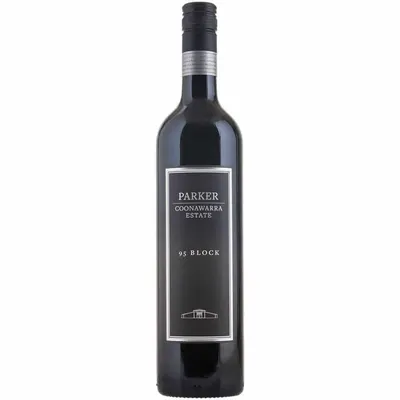
2020 - Parker - Coonawarra Estate - '95 Block' - Cabernet Sauvignon
- 2020
- 75cl
- Cabernet Sauvignon, Petit Verdot
Helaas kunnen we alleen bezoekers van 18 jaar en ouder verwelkomen.
Oeps, ik heb me vergistPrijs
€82.80 Uitverkocht
Uitverkocht
Beschikbaarheid navragenTerra Rossa Cabernet Sauvignon includes some distracting pyrazines, giving the cassis fruit a bell-pepper edge. Once past that, it's a lovely, structured and streamlined Cab, medium to full-bodied, smooth and silky on the palate, with a long, only slightly herbal finish and hints of cedar and vanilla.
Parker is een gerenommeerde wijnproducent gevestigd in Coonawarra, Australië. De wijnmakerij heeft een rijke geschiedenis die teruggaat tot de 19e eeuw toen John Riddoch de eerste wijngaard in de regio oprichtte. Tegenwoordig staat Parker bekend om de productie van enkele van de beste Cabernet Sauvignon-wijnen ter wereld.
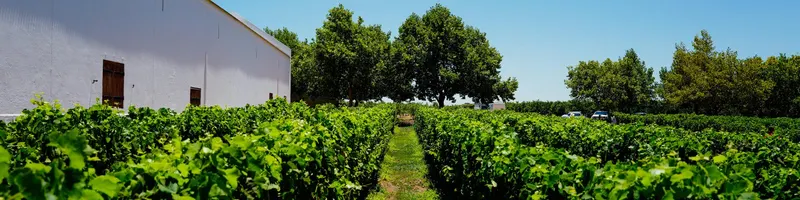
Coonawarra is een unieke wijnregio gelegen aan de Limestone Coast van Zuid-Australië. De regio staat bekend om zijn Terra Rossa-bodem, een rode, ijzerrijke bodem die ideaal is voor het telen van druiven. De Terra Rossa-bodem geeft de wijnen een aparte smaak en aroma die zeer gewild is bij wijnliefhebbers.
Parker is een First Growth-producent, wat betekent dat hun wijnen van de hoogste kwaliteit zijn en zeer gewild zijn bij verzamelaars. De wijnmakerij produceert een reeks Cabernet Sauvignon-wijnen, waaronder single vineyard- en reservewijnen. De wijnen rijpen in Franse eikenhouten vaten, wat ze een complex smaakprofiel en een lange afdronk geeft.
De Cabernet Sauvignon wijnen geproduceerd door Parker staan bekend om hun rijke, volle smaak en hun vermogen om goed te verouderen. De wijnen hebben een diepe robijnrode kleur en een complex aroma met tonen van zwarte bessen, bramen en vanille. In de mond zijn de wijnen vol van body met een stevige tanninestructuur en een lange, zachte afdronk.
Over het algemeen is Parker een wijnproducent van wereldklasse die bekend staat om het produceren van enkele van de beste Cabernet Sauvignon-wijnen ter wereld. Hun wijnen zijn zeer gewild bij verzamelaars en wijnliefhebbers, en hun toewijding aan kwaliteit en traditie is duidelijk zichtbaar in elke fles.
Producent
Parker Coonawarra Estate Wines is een iconisch Australisch wijnproducent gevestigd in de Coonawarra regio van South Australia. Het landgoed heeft een lange geschiedenis die teruggaat tot 1890 toen de familie Parker voor het…
Ontdek ParkerRegio
Zuid-Australië produceert ongeveer de helft van de nationale wijn en omvat enkele van de meest belangrijke wijnregio's van het land. Gelegen in het zuidelijke deel van het continent, strekt de staat zich uit van de koelere…
Ontdek Zuid-AustraliëAppellatie
Coonawarra is een wijnregio gelegen in het Limestone Coast-gebied van Zuid-Australië, in het zuidoosten van de staat. De appellation ligt landinwaarts van de Zuidelijke Oceaan, met de stad Coonawarra als centrum. De regio…
Ontdek Coonawarra