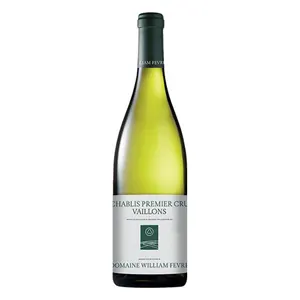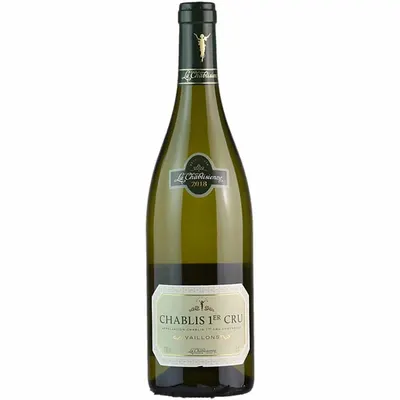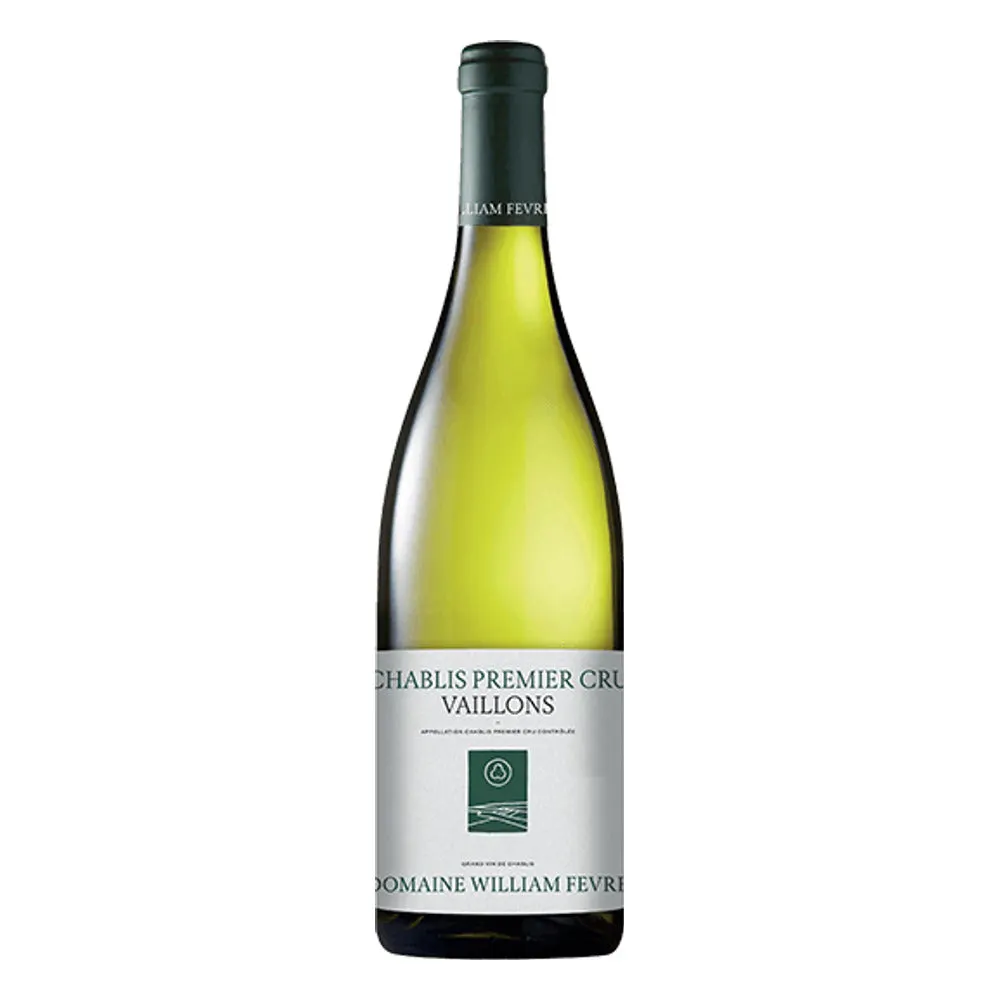
William Fevre - Chablis - Vaillons - 1er Cru

93 RP Points
92 RP Points
93 RP Points
93 RP Points
92 RP Points
92 RP Points
William Fevre - Chablis - Vaillons - 1er Cru - 2018 - 75cl - Onshore Cellars

William Fevre - Chablis - Vaillons - 1er Cru

Vintage
Size
Prix régulier €60.00
Price on application/
  • En stock
  • Inventaire sur le chemin
Taxes incluses. Frais d'expédition calculés lors du passage à la caisse.

Tasting Notes

Loading tasting notes…

Loading tasting notes…

Loading tasting notes…

Loading tasting notes…

Loading tasting notes…

Loading tasting notes…

Plus d'informations

Provenance
Type
Country
Appellation
Producer
Style
Premier Cru
Technical
Grapes
ABV
13.5%
Serving
8° - 12° C
Food Pairings
ShellfishCrabLobsterPoultrySaladsCitrus-Based DishesGreen VegetablesMushroomsGoat CheeseBrie

L'histoire de la bouteille

William Fevre

William Fevre

William Fevre is a Chablis producer based in the northern Burgundy region of France. The domaine operates in one of Burgundy's most distinctive appellations, where Chardonnay is the...

William Fevre is a Chablis producer based in the northern Burgundy region of France. The domaine operates in one of Burgundy's most distinctive appellations, where Chardonnay is the sole permitted grape variety and produces wines that are markedly different from their counterparts elsewhere in the region.

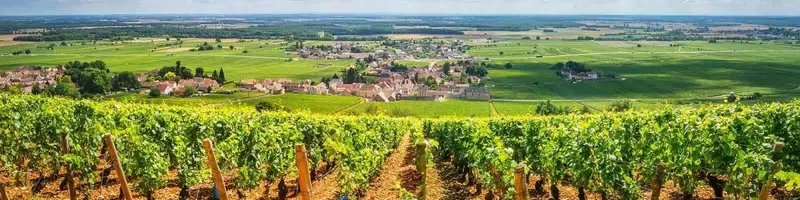
Chablis sits on ancient Kimmeridgian soils composed of limestone and fossilized oyster shells, which impart a characteristic mineral backbone to the wines. The cool climate and unique terroir produce Chardonnay with pronounced acidity, citrus notes, and a distinctive saline quality that sets Chablis apart from warmer Burgundy appellations. The region's classification system includes basic Chablis, Premier Cru vineyards on the valley's slopes, and seven Grand Cru vineyards on the prime south-facing hillside.

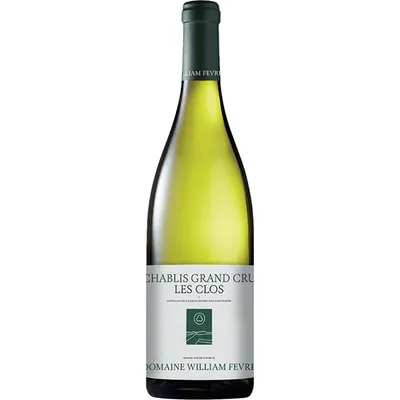
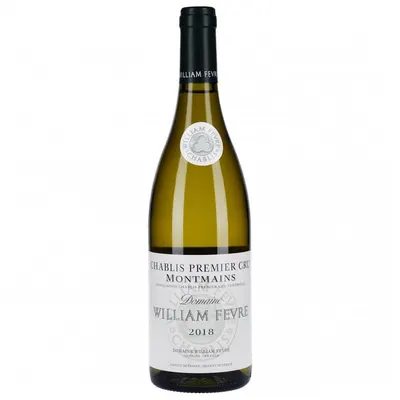
William Fevre's current range demonstrates the appellations hierarchy, spanning from village-level Chablis to Premier Cru sites like Vaillons and Montmains, and extending to Grand Cru Les Clos. Les Clos is the largest and often considered the most structured of Chablis's seven Grand Cru vineyards, typically producing wines with exceptional aging potential and complex mineral expression.

William Fevre
Burgundy - Onshore Cellars

Burgundy

La région viticole française de Bourgogne (alias « Bourgogne ») peut être petite par sa taille, mais son influence est énorme dans le monde du vin. La...

La région viticole française de Bourgogne (alias « Bourgogne ») peut être petite par sa taille, mais son influence est énorme dans le monde du vin. La complexité de la Bourgogne peut faire peur au cœur même d'un professionnel du vin chevronné, mais n'ayez crainte – la région n'a besoin d'être aussi compliquée que vous le souhaitez. Oui, elle abrite certains des vins les plus chers de l'univers connu, mais il y a aussi des vins savoureux et abordables.

Raisins principaux :

Le Pinot Noir est originaire de Bourgogne et ces vignes couvrent 34 % de la région, représentant 29 % de la production vinicole globale. Le raisin rouge se développe extrêmement bien dans les sols calcaires et argileux, ce qui aide à créer leur complexité. Les vins Pinot Noir de Bourgogne varient en couleur du cerise au brique, sont légers en corps et ont généralement des saveurs de fruits rouges et épicées. Le Gamay est un raisin rouge également cultivé en Bourgogne, mais ne représente que 10 % des vignes.

Le Chardonnay est le raisin principal pour les vins blancs de Bourgogne, représentant 48 % des vignes et 68 % de la production. Le Chardonnay apprécie le sol marneux de la Bourgogne, qui lui confère des arômes floraux délicats, fruités et minéraux ainsi que des saveurs corsées. L'Aligoté est le deuxième raisin blanc, représentant 6 % cultivé. {En savoir plus sur le raisin ancien Aligoté en Bourgogne.}

La région produit également un vin mousseux appelé Crémant de Bourgogne. Il peut être élaboré à partir de Chardonnay, Pinot Noir, Pinot Gris, Aligoté, Gamay, Sacy et Melon. Les variétés incluent blanc, blanc de blancs, blanc de noirs et rosé.

Explorez Burgundy
Chablis

Chablis

Chablis is a small appellation located in the northernmost part of Burgundy, in northwestern France. The region sits about 240 kilometers north of the rest of Burgundy's main...

Chablis is a small appellation located in the northernmost part of Burgundy, in northwestern France. The region sits about 240 kilometers north of the rest of Burgundy's main production areas, positioned closer to Champagne than to the Côte d'Or. This geographic isolation, combined with its cool continental climate, gives Chablis a distinct identity within Burgundy.

The terroir is defined by Kimmeridgian limestone-rich soils, a geological formation that also appears in parts of Champagne. This chalky, fossil-laden soil imparts characteristic minerality to the wines. Chablis produces only white wines from Chardonnay, with a strict classification system: Petit Chablis (the most basic level), Chablis (standard appellation), Premier Cru, and Grand Cru, each with defined vineyard sites. The cool climate means the region's marginal growing conditions create wines with naturally high acidity and modest alcohol levels—traditional winemaking in Chablis often involved aging in stainless steel or neutral vessels rather than new oak, though practices vary among producers.

Chablis whites are renowned for their crisp, mineral-driven character rather than richness or oak influence. The wines typically display citrus, green apple, and flint notes, with Premier Cru and Grand Cru versions showing greater depth and aging potential than basic Chablis. The high acidity provides freshness and food compatibility, particularly with seafood and oysters. The distinction between styles—from lean, unoaked expressions to fuller examples aged in wood—reflects both vintage variation and individual producer philosophy, with many of Chablis' established houses maintaining their own interpretations of the regional character.

Lire la suite