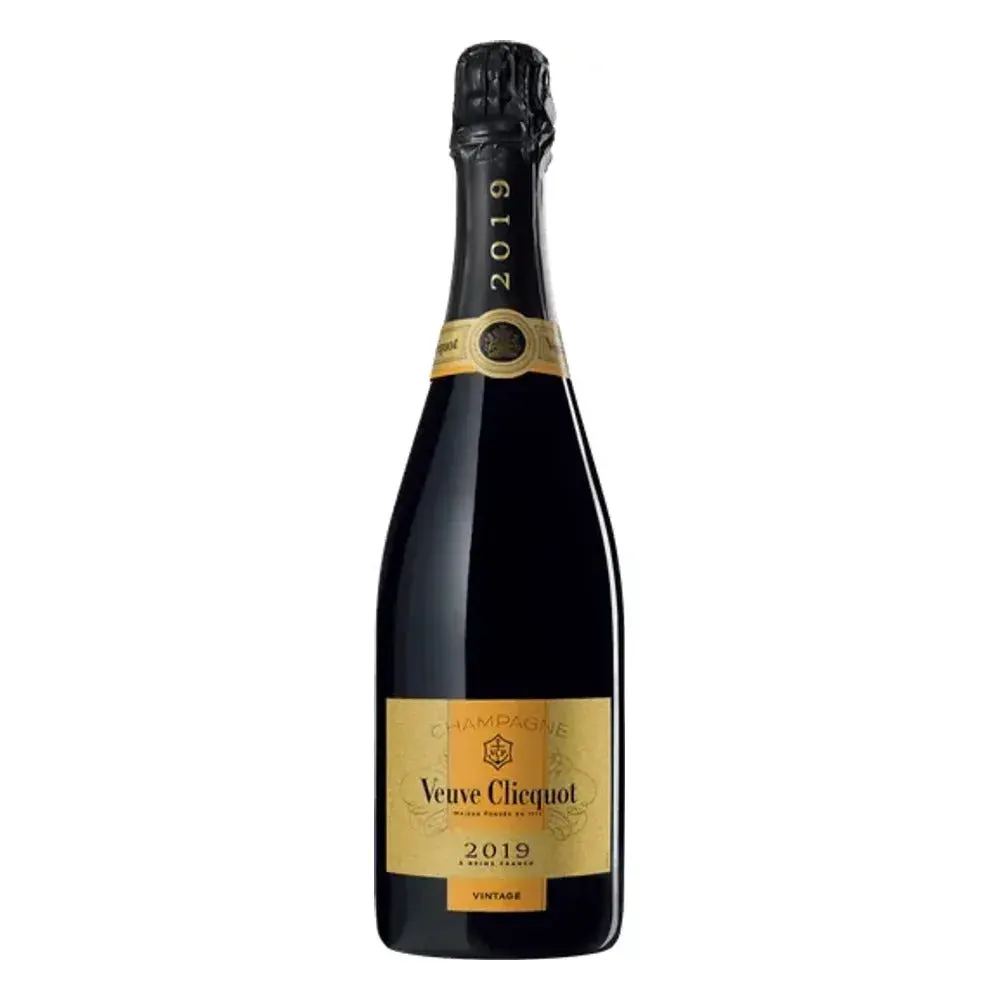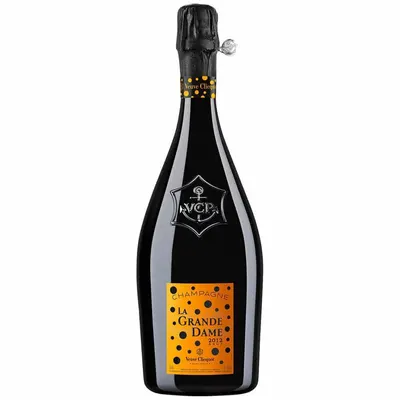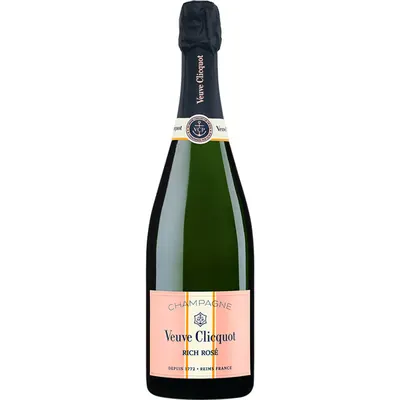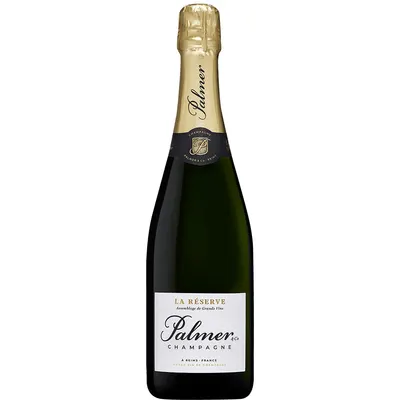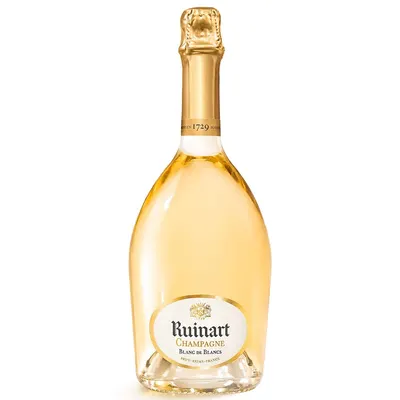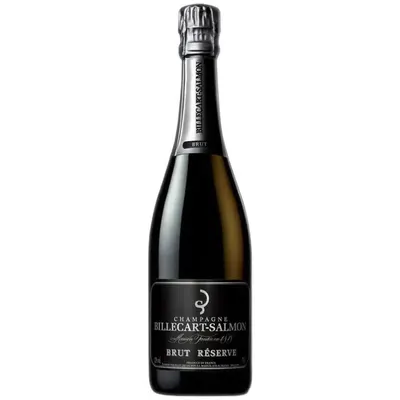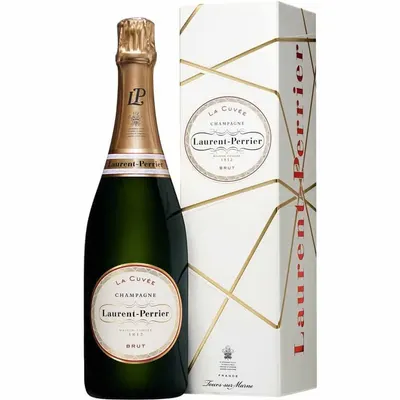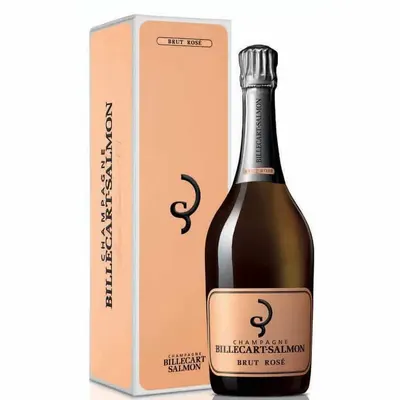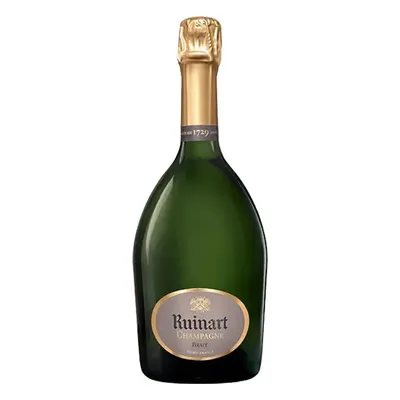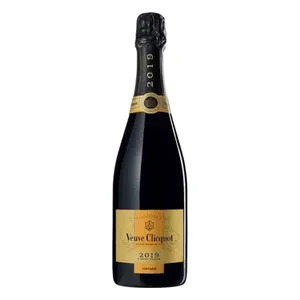
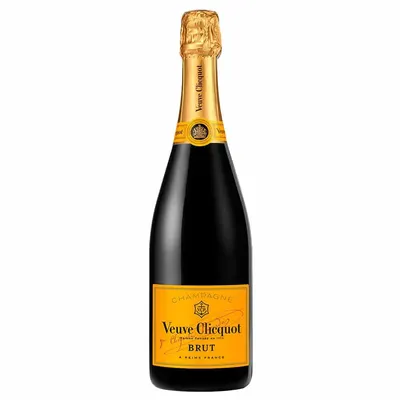
Vintage
Taille
Prix régulier €85.20
Price on application/
  • En stock
  • Inventaire sur le chemin
Taxes incluses. Frais d'expédition calculés lors du passage à la caisse.

Tasting Notes

Loading tasting notes…

Loading tasting notes…

Loading tasting notes…

Plus d'informations

Provenance
Type
Country
Appellation
Producer
Style
Brut
Technical
ABV
12.5%
Serving
8° - 10° C
Food Pairings
ShellfishLobsterGoat CheeseChickenGame BirdsCharcuterie and Cured Meats
Key Characteristics
["Full-bodied""Racy""Toast""Brioche""Medium alcohol""Medium(+) acidity"]

L'histoire de la bouteille

Veuve Clicquot

Veuve Clicquot

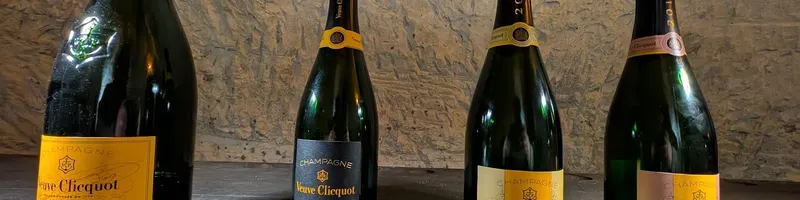
Veuve Clicquot is a Champagne house based in Reims, France, producing sparkling wines exclusively within the Champagne appellation. The house was established in 1772 and became particularly notable...

Veuve Clicquot is a Champagne house based in Reims, France, producing sparkling wines exclusively within the Champagne appellation. The house was established in 1772 and became particularly notable under the leadership of Barbe-Nicole Clicquot Ponsardin, known as the "Veuve" (widow) Clicquot, who took control of the business in 1805 after her husband's death. She pioneered several innovations in Champagne production, including the riddling process that clarifies the wine.

The Champagne region's chalky soils and cool climate create ideal conditions for producing sparkling wines with distinctive minerality and crisp acidity. Veuve Clicquot follows traditional Champagne methods, employing secondary fermentation in bottle and extended lees aging to develop complexity. The house style typically emphasizes structure and richness, achieved through the predominant use of Pinot Noir in their blends, which provides body and depth to the wines.

Veuve Clicquot's current range demonstrates their expertise with the three classic Champagne grape varieties: Pinot Noir, Chardonnay, and Pinot Meunier. Their portfolio includes both non-vintage and vintage expressions, spanning from their signature Yellow Label Brut to rosé Champagnes and vintage-dated wines. The house produces wines across different sweetness levels, including Brut and the richer Sec style, showcasing their versatility within traditional Champagne winemaking parameters.

Veuve Clicquot
Our collection of Champagne - Find this at Onshore Cellars your yacht wine supplier

Champagne

En 1668, Dom Pérignon aurait découvert comment faire du vin pétillant ; aujourd'hui sa technique est utilisée dans le monde entier, bien que la Champagne continue à produire...

En 1668, Dom Pérignon aurait découvert comment faire du vin pétillant ; aujourd'hui sa technique est utilisée dans le monde entier, bien que la Champagne continue à produire certains des meilleurs. Région viticole la plus septentrionale de France, la Champagne abrite désormais 15 000 vignerons et 290 « maisons ». Un assemblage de variétés de raisin est généralement nécessaire : le Chardonnay blanc pour ajouter du fruit et de l'élégance, et deux rouges – le Pinot Noir et le Pinot Meunier – pour apporter du corps et de la structure.

Explorez Champagne
Champagne

Champagne

Champagne is a region in northeastern France, approximately 140 kilometers northeast of Paris, defined by strict geographic boundaries established under French appellation law. The region's cool continental climate...

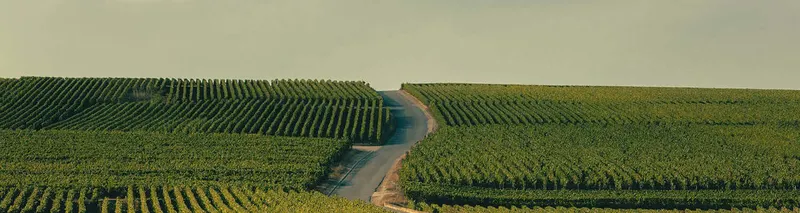
Champagne is a region in northeastern France, approximately 140 kilometers northeast of Paris, defined by strict geographic boundaries established under French appellation law. The region's cool continental climate and chalky soils create conditions uniquely suited to sparkling wine production. The designation "Champagne" is legally protected and applies only to wines produced within these delimited boundaries using prescribed methods.

The region's chalky subsoil—composed largely of Cretaceous limestone—drains rapidly and reflects heat, helping to ripen grapes despite the cool climate. Three grape varieties dominate: Chardonnay, Pinot Noir, and Pinot Meunier, often blended together though Blanc de Blancs wines use Chardonnay exclusively. Champagne's signature method involves a secondary fermentation in bottle (méthode champenoise), where yeast and sugar create carbonation and develop complex flavors over time. Extended aging on the lees further develops texture and aromas. Producers classify vineyards into Premier and Grand Cru designations based on historical quality assessments, and finished wines are labeled by dosage level—ranging from Extra Brut (bone dry) through Brut, Sec, and Demi Sec (progressively sweeter).

Champagne wines are characterized by high acidity, fine bubbles, and layered complexity. Typical flavor profiles include green apple, citrus, and chalk minerality in younger or lighter expressions, evolving toward brioche, toast, and honey notes with bottle age. The interaction between the wine's acidity, the persistent effervescence, and the autolytic characters from yeast aging creates distinctive textural finesse that distinguishes Champagne from other sparkling wines produced elsewhere.

Lire la suite