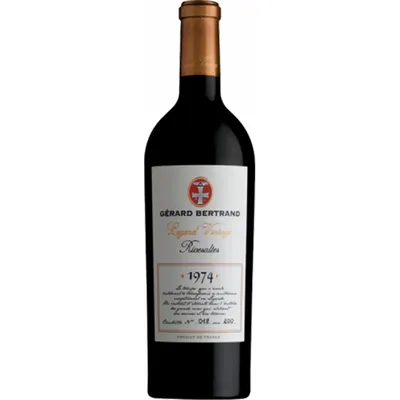
Gerard Bertrand - Rivesaltes - 1955 - 75cl - Onshore Cellars
Vintage
Taille
Prix régulier €450.00
Price on application/
  • En stock
  • Inventaire sur le chemin
Taxes incluses. Frais d'expédition calculés lors du passage à la caisse.

Tasting Notes

Loading tasting notes…

Loading tasting notes…

Plus d'informations

Provenance
Type
Country
Appellation
Producer
Technical
Grapes
ABV
15.5%
Serving
12° - 14° C
Certifications
Biodynamic

L'histoire de la bouteille

Gerard Bertrand

Gerard Bertrand

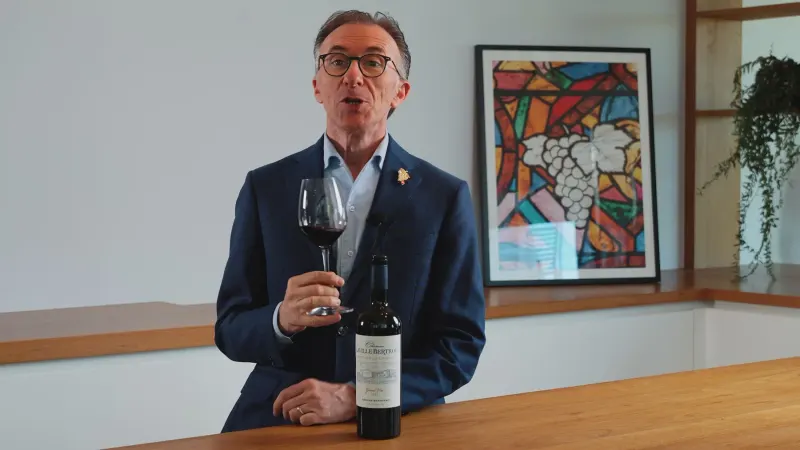
Gérard Bertrand is a producer based in Corbières-Boutenac in the Languedoc-Roussillon region of southern France. The house specializes in red wine production, drawing on the distinctive terroir of...

Gérard Bertrand is a producer based in Corbières-Boutenac in the Languedoc-Roussillon region of southern France. The house specializes in red wine production, drawing on the distinctive terroir of this Mediterranean wine region where limestone-rich soils and warm conditions shape the character of the wines.

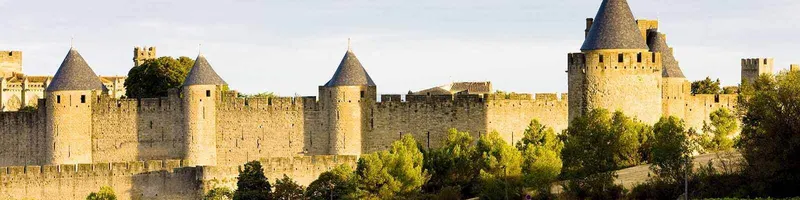
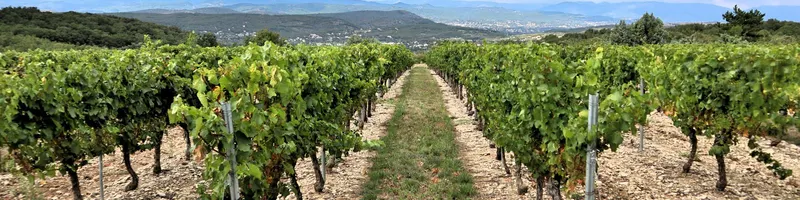
Corbières-Boutenac is the most elevated sector of the broader Corbières appellation, with vineyards sitting at higher altitudes that moderate temperature and extend the growing season. This geography allows for the development of more structured, age-worthy wines than those produced at lower elevations in the region. The area has a strong tradition of blending the classic southern Rhône varieties—Grenache, Syrah, and Mourvedre—each bringing distinct characteristics: Grenache provides ripe fruit and warmth, Syrah contributes structure and spice, and Mourvedre adds tannin and complexity.

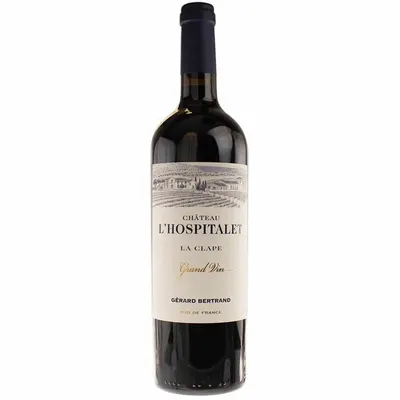
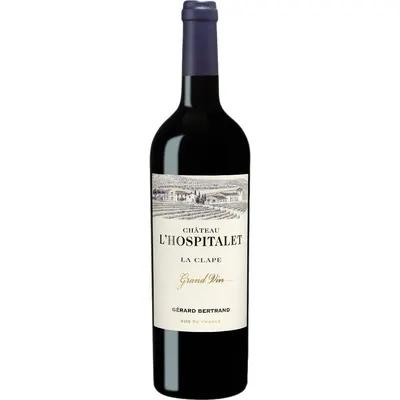
The current range includes Château l'Hospitalet's Grand Vin cuvée, a blend of these three varieties from the nearby La Clape terroir. This wine reflects the producer's approach to the region's potential, working with the natural advantages of the limestone plateau and Mediterranean climate to create reds with both ripeness and definition.

Gerard Bertrand
Our collection of Languedoc - Find this at Onshore Cellars your yacht wine supplier

Languedoc-Roussillon

Languedoc-Roussillon s'étend à travers le sud de la France, de la frontière espagnole au delta du Rhône, formant la plus grande région viticole du pays. Cette vaste zone...

Languedoc-Roussillon s'étend à travers le sud de la France, de la frontière espagnole au delta du Rhône, formant la plus grande région viticole du pays. Cette vaste zone englobe des paysages diversifiés allant des plaines côtières méditerranéennes aux terrains montagneux, avec des vignobles s'étendant vers l'intérieur en direction des contreforts des Pyrénées et du Massif Central. La région produit environ un tiers de la production viticole totale de la France et a connu des améliorations qualitatives significatives depuis les années 1980.

Le climat méditerranéen apporte des étés chauds et secs et des hivers doux, avec les vents Tramontane et Mistral qui aident à modérer les températures et à réduire la pression des maladies. Les sols varient considérablement dans la région, du calcaire et de l'argile dans des zones comme Corbières aux schistes et aux sols volcaniques dans les zones montagneuses. Les appellations notables incluent Corbières-Boutenac pour les rouges structurés, Pic Saint-Loup connu pour ses vins élégants des altitudes plus élevées, et La Clape, où les influences maritimes façonnent le caractère des vignobles côtiers.

Les variétés traditionnelles du Rhône dominent les plantations, la Syrah, la Grenache et le Mourvèdre formant l'épine dorsale de la plupart des assemblages rouges. Ces raisins prospèrent dans le climat chaud tout en bénéficiant des influences de refroidissement aux altitudes plus élevées et près de la côte. La région a changé son orientation, passant de la production de vin en vrac à l'élaboration de vins plus concentrés et tirés du terroir qui expriment les microclimats diversifiés et les types de sols trouvés dans ce vaste paysage méditerranéen.

Explorez Languedoc-Roussillon