
- Points Robert Parker (RP)
- Points Vinous
Domaine de la Creuze Noire - Macon-Fuissé - Les Châtaigniers
Prix
€16.20 Épuisé
Épuisé
Se renseigner sur la disponibilitéNotes de dégustation
Le vignoble de ce Mâcon-Fuissé est situé dans la zone des « Les Châtaigniers » qui produit des vins floraux avec une expression aromatique charmante. En bouche, on trouve une belle minéralité, de la fraîcheur et une longue finale. D'abord, il se dévoile par sa robe jaune d'or claire. Le nez est très floral avec des notes d'aubépine, de chèvrefeuille et de pêches mûres.
Plus d'informations
Origine
- Type
- Blanc
- Producteur
- Domaine de la Creuze Noire
- Pays
- France
- Appellation
- Mâcon
- Région
- Bourgogne
Technique
- Millésime
- Cépages
- Degré d’alcool
- Format
- Élevage
- Service
- 10° - 12° C
- Fenêtre de dégustation
Accords mets et vins
Caractéristiques
À propos : Vin
Creuze Noire est un producteur de vin renommé situé dans la région de Macon-Fuisse en France. Avec une riche histoire remontant à plusieurs siècles, cette maison de vin estimée s'est établie comme un leader dans la production de vins de haute qualité.
L'histoire de Creuze Noire peut être retracée au 18e siècle lorsque les vignobles ont été plantés pour la première fois dans les terroirs fertiles de Macon-Fuisse. La maison a été transmise de génération en génération, chaque nouveau propriétaire apportant sa propre touche unique au processus de vinification. Ce riche patrimoine est évident dans la qualité exceptionnelle des vins produits par Creuze Noire.
Le style de production chez Creuze Noire se caractérise par un engagement envers les techniques traditionnelles de vinification combinées à des innovations modernes. La maison est fière de ses pratiques agricoles durables, assurant que les vignobles sont entretenus de manière respectueuse de l'environnement. Cet engagement envers la durabilité préserve non seulement la beauté naturelle de la région, mais améliore également la qualité globale des vins.
Creuze Noire se spécialise dans la production de Chardonnay, le cépage emblématique de la région de Macon-Fuisse. Le climat frais et les terroirs riches en calcaire de la région créent les conditions parfaites pour la culture de ce cépage noble. Les vins Chardonnay produits par Creuze Noire sont connus pour leur élégance, leur complexité et leur équilibre exceptionnel. Ils présentent une belle robe dorée, avec des arômes de fruits mûrs, d'agrumes et de délicates notes florales. En bouche, ces vins sont riches et crémeux, avec une acidité rafraîchissante et une finale longue et persistante.
En plus de leurs vins Chardonnay, Creuze Noire produit également une gamme d'autres cépages, dont Pinot Noir et Gamay. Ces vins rouges sont élaborés avec le même niveau de soin et d'attention aux détails que leurs homologues blancs. Les vins Pinot Noir se caractérisent par leurs saveurs de fruits rouges vibrants, leurs tannins soyeux et une subtile minéralité. Les vins Gamay, en revanche, sont légers et fruités, avec une acidité rafraîchissante et un caractère vif.
Creuze Noire est également connu pour ses vins mousseux, élaborés selon la méthode traditionnelle. Ces vins mousseux subissent une fermentation secondaire en bouteille, donnant des bulles fines et persistantes ainsi qu'un profil aromatique complexe. Les vins mousseux produits par Creuze Noire sont parfaits pour célébrer des occasions spéciales ou simplement à déguster en tant qu'apéritif.
Plus de Domaine de la Creuze Noire
Tout voir
Plus de Mâcon
Tout voir
Derrière la bouteille

Producteur
Domaine de la Creuze Noire
Domaine de la Creuze Noire est un producteur basé à Mâcon, dans la partie méridionale de la Bourgogne. Le domaine se concentre exclusivement sur les vins blancs, travaillant avec le cépage Chardonnay dans deux appellations…
Découvrir Domaine de la Creuze Noire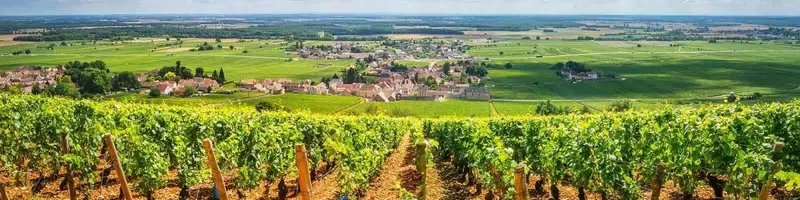
Région
Bourgogne
La région viticole française de Bourgogne (alias « Bourgogne ») peut être petite par sa taille, mais son influence est énorme dans le monde du vin. La complexité de la Bourgogne peut faire peur au cœur même d'un professionnel du…
Découvrir Bourgogne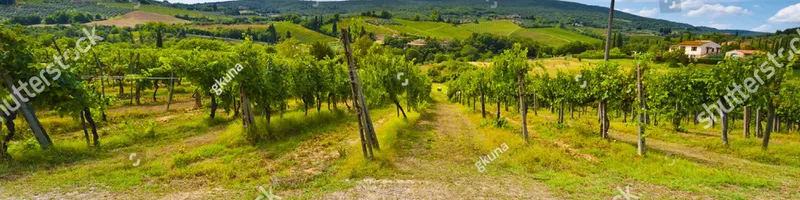
Appellation
Mâcon
Mâcon est une appellation régionale du sud de la Bourgogne, en France, couvrant les vignobles du département de Saône-et-Loire autour de la ville de Mâcon. L'appellation s'étend sur environ 40 communes et représente l'une des…
Découvrir Mâcon