
- Points Robert Parker (RP)
- Points Vinous
Château Raymond-Lafon - Sauternes
Prix
€39.60 Épuisé
Épuisé
Se renseigner sur la disponibilitéNotes de dégustation
The Château Raymond-Lafon 2014 is a blend of 80% Sémillon and 20% Sauvignon Blanc, bridled with 124 grams per liter residual sugar and 4.31 grams per liter total acidity. It showed a bit of SO2 on the nose that made the aromatics difficult to pin down, though the palate is singing: crisp acidity, vibrant honey fruit and wonderful clarity and focus on the finish. There is plenty of energy here, plenty of length and those aromatics will sort themselves out by the time of bottling. The component parts are here for a splendid Sauternes.
Plus d'informations
Origine
- Type
- Doux
- Producteur
- Château Raymond-Lafon
- Pays
- France
- Appellation
- Sauternes
- Région
- Bordeaux
Technique
- Millésime
- Cépages
- Degré d’alcool
- Format
- Élevage
- Service
- 10° - 12° C
- Fenêtre de dégustation
Caractéristiques
À propos : Vin
Château Raymond-Lafon s'impose comme l'un des plus respectés producteurs de Sauternes, élaborant des vins liquoreux exceptionnels au cœur de Bordeaux. L'engagement du domaine envers la qualité et les méthodes de vinification traditionnelles en a établi comme un repère pour les plus belles expressions de la région.
Ce Sauternes marie Sauvignon Blanc et Sémillon, les cépages classiques de l'appellation, pour créer un vin d'un équilibre et d'une complexité remarquables. Le climat maritime et le terroir argilo-calcaire de Sauternes favorisent la pourriture noble essentielle à ces vins, concentrant les arômes et les sucres naturels tout en préservant l'acidité vive qui caractérise le style. Le vin qui en résulte offre une intensité moyenne(+) avec un caractère corsé et un alcool moyen(+), délivrant à la fois richesse et élégance.
Idéal en accompagnement des fromages bleus, du foie gras ou des desserts riches, ce Sauternes brille également comme apéritif ou vin de méditation. Sa polyvalence et son raffinement en font un choix distingué pour les caves de prestige, les collections de restaurants gastronomiques et les occasions spéciales.
Plus de Sauternes
Tout voir
2016 - Château Doisy- Sauternes - Sauternes - Grand Cru
- 2016
- 75cl
- Sauvignon Blanc, Semillon
2010 - Château Guiraud - 1er Cru Classé - Sauternes
- 2010
- 75cl
- Semillon, Sauvignon Blanc
Demi-bouteille
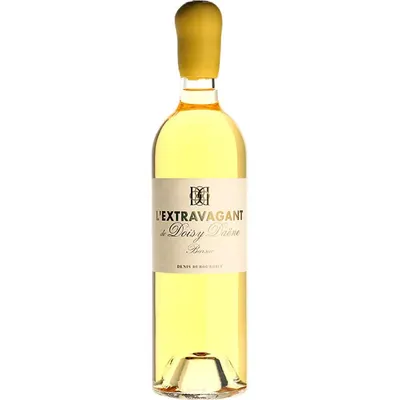
2002 - Château Doisy Daëne - L'Extravagant - Sauternes - Half Bottle
- 2002
- 37.5cl
- Semillon, Sauvignon Blanc
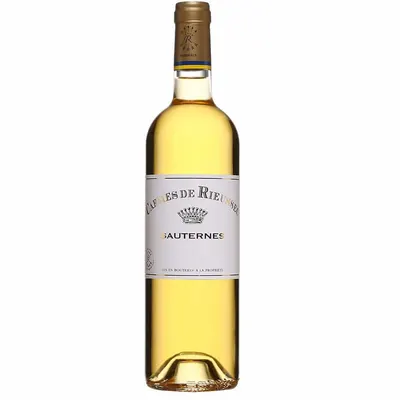
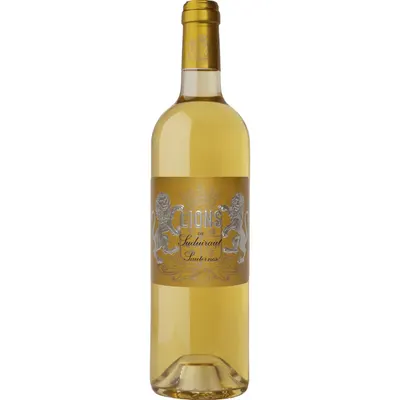
2019 - Château Suduiraut - Lions de Suduiraut - Sauternes
- 2019
- 75cl
- Semillon, Sauvignon Blanc
Derrière la bouteille
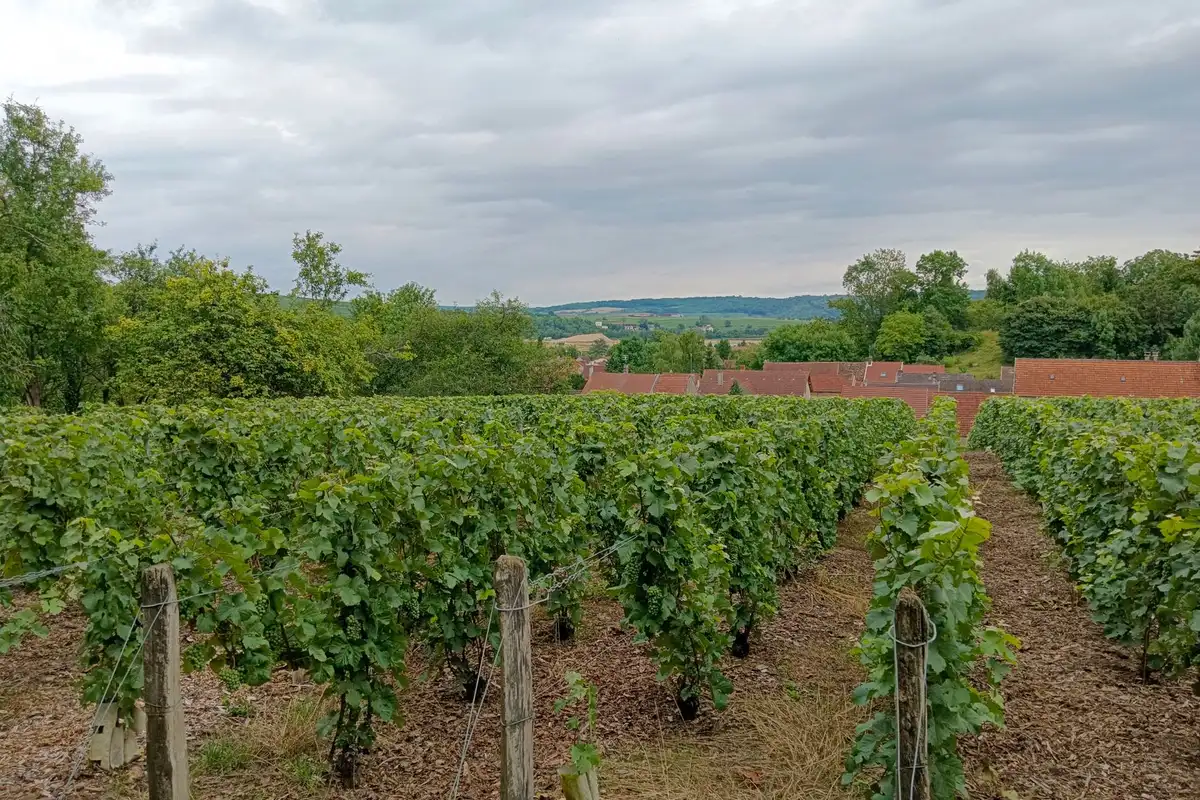

Région
Bordeaux
Bordeaux, dans le sud-ouest de la France, n'a besoin de guère d'introduction en tant que l'une des régions vinicoles les plus célèbres, prestigieuses et prolifiques du monde. La majorité des vins de Bordeaux (près de 90 pour…
Découvrir Bordeaux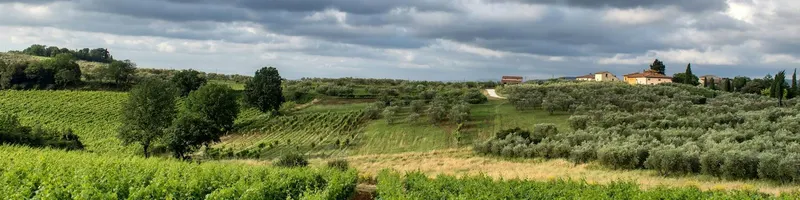
Appellation
Sauternes
Sauternes est une prestigieuse appellation de vin doux située dans le district de Graves à Bordeaux, en France, à environ 40 kilomètres au sud-est de la ville de Bordeaux. L'appellation englobe cinq communes : Sauternes, Barsac…
Découvrir Sauternes