
- Points Robert Parker (RP)
- Points Vinous
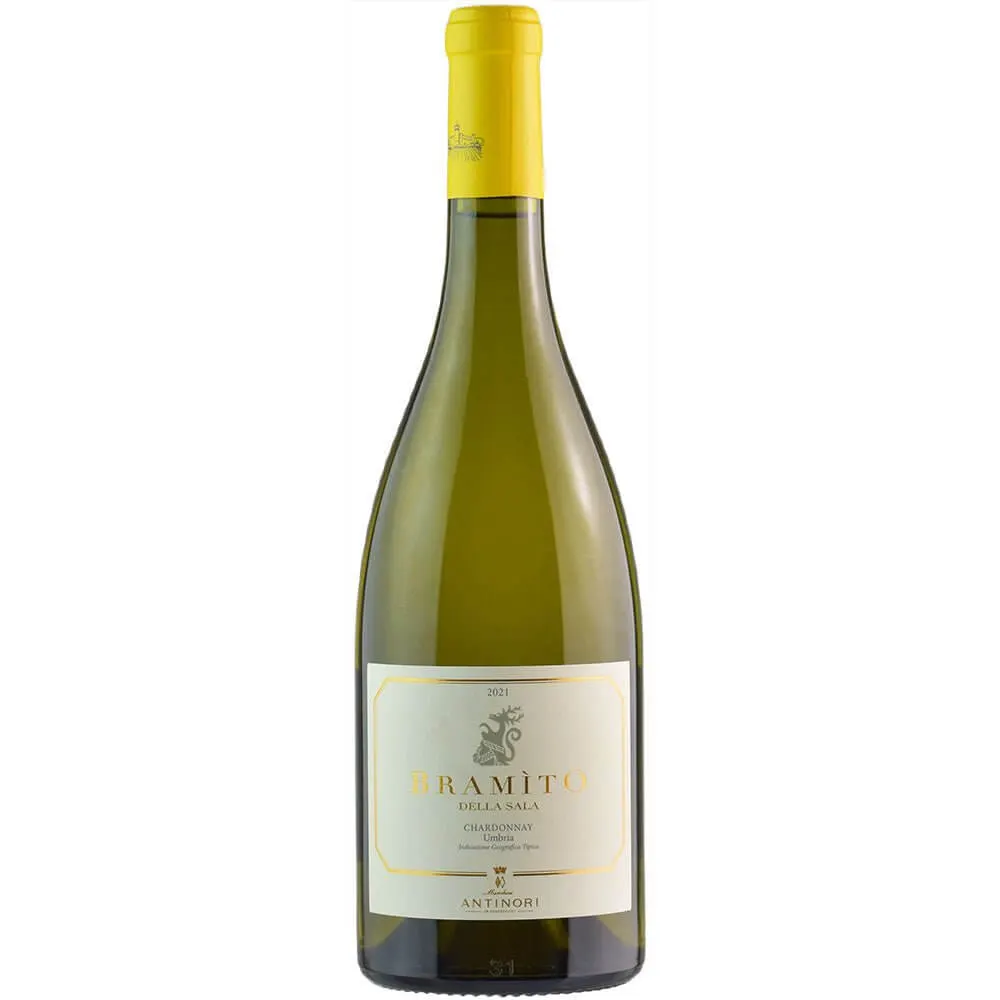
Castello della Sala - 'Bramito della Sala'
Millésime
2024
Format
75 cl
Prix
€33.60 HT
En stockEn stock
Notes de dégustation
Fresh green apple and white peach on the nose, lifted by a subtle floral note. The palate is clean and taut, with citrus pith and a saline mineral edge. Finish is crisp, dry and refreshingly direct.
Plus d'informations
Origine
- Type
- Blanc
- Producteur
- Marchesi Antinori
- Pays
- Italie
- Appellation
- Umbria IGT
- Région
- Ombrie
Technique
- Millésime
- 2024
- Cépages
- Chardonnay
- Degré d’alcool
- 13%
- Format
- 75cl
- Élevage
- Service
- 10° - 12° C
- Fenêtre de dégustation
Accords mets et vins
Caractéristiques
À propos : Vin
Le 'Bramito della Sala' de Castello della Sala est un vin blanc qui ne manquera pas d'impressionner même les amateurs de vin les plus exigeants. Ce vin est élaboré à partir de 100% de raisin Chardonnay, cultivé dans la région d'Ombrie en Italie. Les raisins sont soigneusement sélectionnés et vendangés à la main pour assurer que seuls les fruits de la meilleure qualité sont utilisés dans la production de ce vin.
Le profil gustatif du 'Bramito della Sala' est celui qui saura ravir les sens. Au nez, ce vin dégage un délicat arôme de fleurs blanches, d'agrumes et une pointe de vanille. En bouche, il est ample et riche, avec une texture crémeuse et une finale longue et persistante. Les saveurs de pêche mûre, d'abricot et de miel sont équilibrées par une acidité rafraîchissante, ce qui rend ce vin un accompagnement parfait pour une large gamme de plats.
Castello della Sala possède une longue et riche histoire, remontant au 14e siècle. L'estate a été à l'origine la propriété de la famille Monaldeschi, qui était l'une des plus puissantes familles de la région à cette époque. Au 16e siècle, l'estate a été acquise par la noble famille Chigi, réputée pour son amour de l'art et de la culture. La famille Chigi a transformé l'estate en un centre d'activité artistique et intellectuelle, accueillant certains des personnages les plus éminents de l'époque.
Aujourd'hui, Castello della Sala est la propriété de la famille Antinori, l'un des producteurs de vin les plus respectés en Italie. La famille Antinori a poursuivi la tradition d'excellence qui a été associée à Castello della Sala pendant des siècles, produisant certains des plus beaux vins de la région.
Le 'Bramito della Sala' est un vin qui se déguste au mieux en compagnie de bons amis et de la famille. Il s'accorde parfaitement avec une large gamme de plats, y compris les fruits de mer, la volaille et les pâtes. C'est aussi un excellent vin à déguster seul, car il ne manquera pas d'impressionner même les palais les plus exigeants.
En conclusion, le 'Bramito della Sala' de Castello della Sala est un vin qui saura ravir vos sens. Avec son arôme délicat, sa saveur ample et sa finale longue et persistante, c'est un vin parfait pour toute occasion. Que vous le dégustiez avec un repas ou seul, ce vin ne manquera pas d'impressionner. Alors pourquoi ne pas vous offrir une bouteille aujourd'hui et découvrir le goût de
Plus de Marchesi Antinori
Tout voir
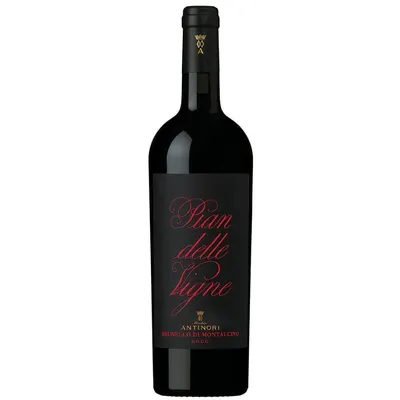
2019 - Pian delle Vigne - Brunello di Montalcino
- 2019
- 75cl
- Cabernet Franc, Cabernet Sauvignon, Merlot
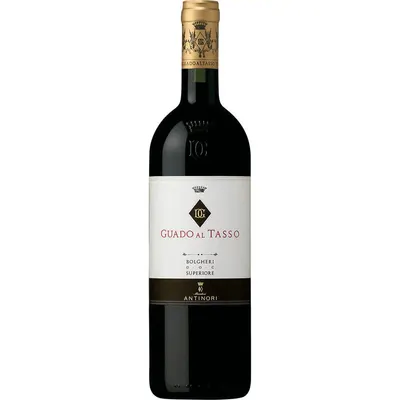
2022 - Guado al Tasso - Bolgheri Superiore
- 2022
- 75cl
- Cabernet Franc, Cabernet Sauvignon, Merlot
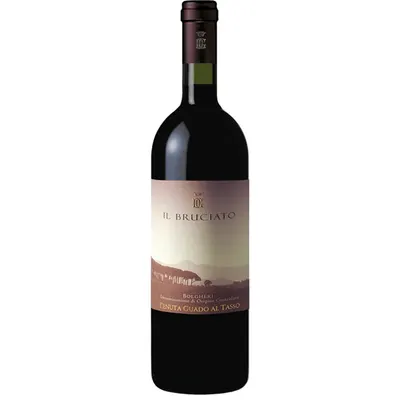
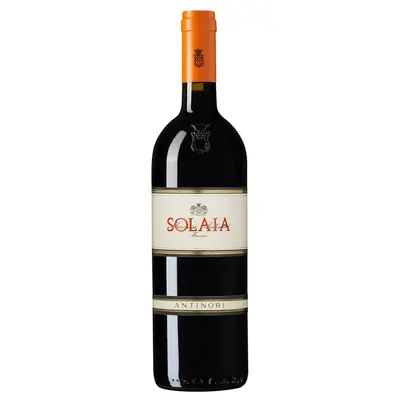
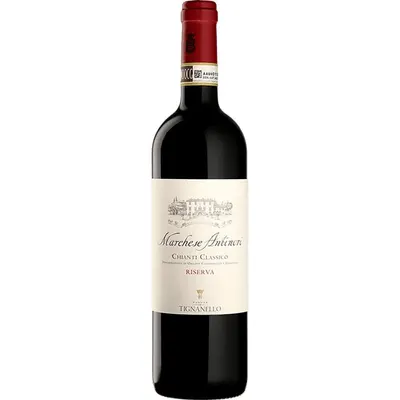
2022 - Marchesi Antinori - Chianti Classico - Riserva
- 2022
- 75cl
- Cabernet Sauvignon, Sangiovese
Plus de Umbria IGT
Tout voir
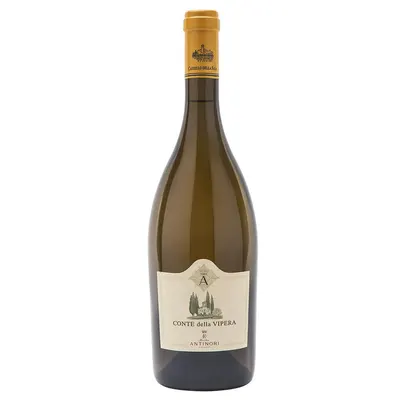
2021 - Castello Della Sala - Conte Della Vipera - Sauvignon - Umbria IGT
- 2021
- 75cl
- Semillon, Sauvignon Blanc
Derrière la bouteille
Producteur
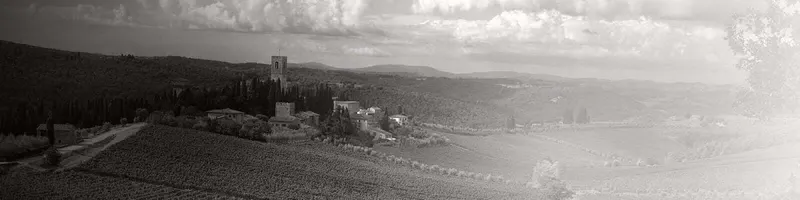
Marchesi Antinori
Antinori est le nom le plus célèbre du vin italien et l'influence de Piero Antinori au cours des 25 dernières années a été rien de moins que révolutionnaire. Le vin phare d'Antinori, Tignanello, est apparu pour la première fois…
Découvrir Marchesi Antinori
Région
Ombrie
L'Ombrie est une région sans accès à la mer en Italie centrale, bordée par la Toscane à l'ouest, les Marches à l'est et le Latium au sud. Souvent appelée le « cœur vert de l'Italie » en raison de ses collines ondulantes et de…
Découvrir Ombrie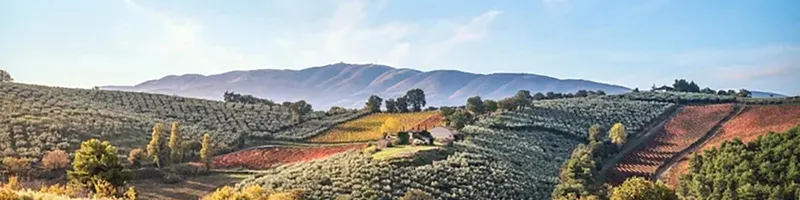
Appellation
Umbria IGT
Umbria IGT est une classification régionale de vin couvrant la région d'Umbria en Italie centrale, enclavée, bordée par la Toscane à l'ouest et les Marches à l'est. La désignation IGT (Indicazione Geografica Tipica) a été…
Découvrir Umbria IGT