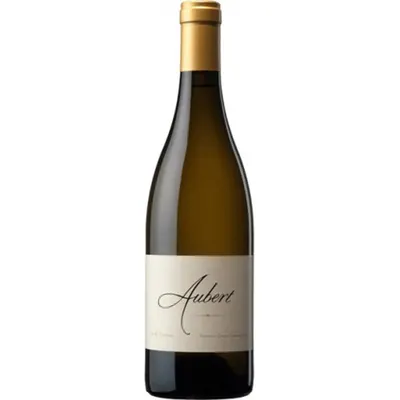
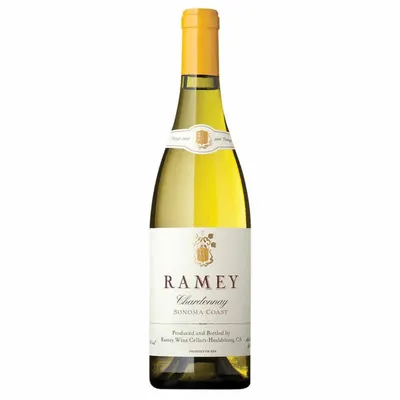
Aubert - Powder House Estate Vineyard - Sonoma Coast - Single Vineyard Chardonnay

97 RP Points
Aubert - Powder House Estate Vineyard - Sonoma Coast - Single Vineyard Chardonnay

Aubert - Powder House Estate Vineyard - Sonoma Coast - Single Vineyard Chardonnay

Vintage
Size
Prix régulier €319.20
Price on application/
  • En stock
  • Inventaire sur le chemin
Taxes incluses. Frais d'expédition calculés lors du passage à la caisse.

Tasting Notes

Loading tasting notes…

Plus d'informations

Provenance
Type
Country
Appellation
Producer
Technical
Grapes
ABV
15%
Serving
11° - 13° C
Drinking
2024 - 2035
Food Pairings
ChickenHard CheesesMushroom RisottoTarte TatinGrilled Vegetables
Key Characteristics
High alcoholWarmingFull-bodiedCitrus fruitCrispStony

L'histoire de la bouteille

Aubert Wines - Onshore Cellars

Aubert Wines

Aubert Wines is a California winery based in the Russian River Valley, focusing on premium Chardonnay production. The estate was founded by Mark Aubert, who previously worked as...

Aubert Wines is a California winery based in the Russian River Valley, focusing on premium Chardonnay production. The estate was founded by Mark Aubert, who previously worked as winemaker at several prominent Sonoma County wineries before establishing his own label to craft site-specific wines from carefully selected vineyard sources.

The Russian River Valley appellation is particularly well-suited for Chardonnay due to its cool marine climate influenced by morning fog from the Pacific Ocean. This cooling effect allows for extended hang time, enabling the development of complex flavors while maintaining natural acidity. The region's diverse soils, ranging from Goldridge sandy loam to river sediments, contribute distinctive mineral characteristics to the wines. Aubert's approach emphasizes expressing these terroir-driven qualities through careful vineyard management and minimal intervention winemaking techniques.

The winery's current offerings include Russian River Valley Chardonnay, which represents their commitment to showcasing this premier cool-climate growing region. Aubert typically works with Chardonnay from multiple vineyard sites within the appellation to create wines that balance the variety's inherent richness with the bright acidity characteristic of this coastal-influenced terroir.

Aubert Wines
California - Onshore Cellars

California

La Californie s'étend sur près de 800 miles le long de la côte du Pacifique et se classe au quatrième rang mondial des régions productrices de vin en...

La Californie s'étend sur près de 800 miles le long de la côte du Pacifique et se classe au quatrième rang mondial des régions productrices de vin en volume. La géographie diversifiée de l'État comprend des vallées côtières, des montagnes intérieures et des zones désertiques, avec des vignobles s'étendant du comté de Mendocino au nord au comté de San Diego au sud. La production de vin a commencé pendant la période des missions espagnoles à la fin du 18e siècle, bien que l'industrie vinicole californienne moderne soit apparue suite à l'abrogation de la Prohibition en 1933.

L'influence maritime de l'océan Pacifique crée des microclimats distincts dans toutes les régions vinicoles de Californie, les zones côtières connaissant des brouillards rafraîchissants et les vallées intérieures subissant une plus grande variation de température. La vallée de Napa et le comté de Sonoma représentent les appellations les plus reconnues de l'État, tandis que les régions émergentes comme le comté de Santa Barbara et Paso Robles contribuent à la diversité viticole de la Californie. Les types de sols vont de la cendre volcanique dans la vallée de Napa aux sols riches en calcaire dans certaines parties de Paso Robles, offrant diverses expressions de terroir dans les appellations.

Le Cabernet Sauvignon domine la production de vin rouge, particulièrement dans la vallée de Napa, tandis que le Chardonnay mène les variétés blanches avec des expressions notables des régions au climat frais comme la vallée de Russian River et Carneros. Le Pinot Noir prospère dans les appellations côtières, notamment Sonoma Coast et le comté de Santa Barbara, bénéficiant de l'influence marine et de périodes de maturation plus longues. Le climat méditerranéen de la Californie permet une période de véraison prolongée, produisant généralement des vins aux caractéristiques de fruits mûrs et à des niveaux d'alcool plus élevés par rapport aux homologues européens.

Explorez California
Sonoma Coast

Sonoma Coast

The Sonoma Coast AVA encompasses the western portion of Sonoma County, California, stretching from the Pacific Ocean inland to the warmer valley floors. Established in 1987, this appellation...

The Sonoma Coast AVA encompasses the western portion of Sonoma County, California, stretching from the Pacific Ocean inland to the warmer valley floors. Established in 1987, this appellation covers approximately 480,000 acres, making it one of California's larger wine regions. The boundaries extend from the Mendocino County line in the north to the Marin County line in the south, capturing the diverse topography where coastal mountains meet the sea.

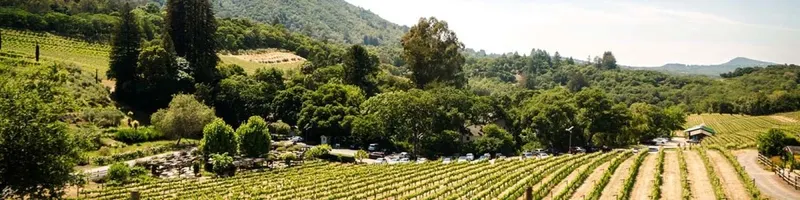
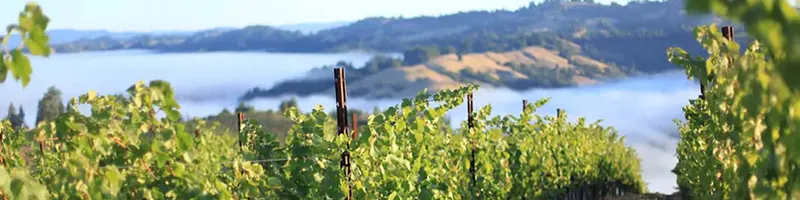
The region's proximity to the Pacific Ocean creates a distinctive cool, maritime climate characterized by morning fog and afternoon winds that moderate temperatures throughout the growing season. Soils vary considerably across the appellation, ranging from sandy loam near the coast to volcanic ash and sedimentary deposits further inland. The combination of elevation changes, from sea level to over 1,800 feet, and ocean influence creates numerous microclimates within the AVA. Chardonnay and Pinot Noir dominate plantings, as these Burgundian varieties thrive in the cooler conditions.

Sonoma Coast wines typically display bright acidity and elegant structure due to the extended growing season created by the maritime influence. Chardonnays from this region often show crisp minerality with citrus and stone fruit characteristics, while maintaining freshness even in warmer vintages. Pinot Noirs tend toward a more restrained style with red fruit flavors, earthy undertones, and silky tannins, reflecting the cool climate's ability to preserve the grape's natural acidity and delicate aromatics.

Lire la suite