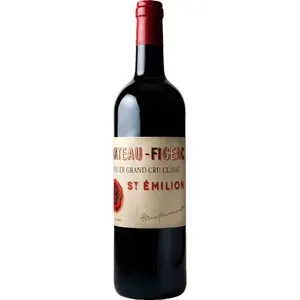
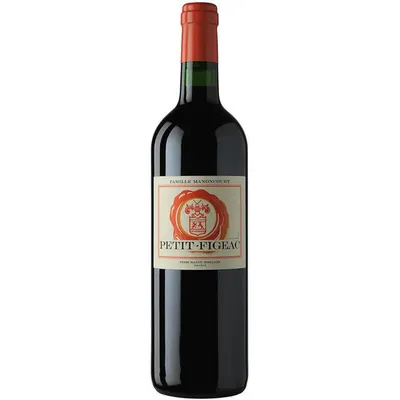
2021 - Château Figeac - Petit Figeac - Saint-Émilion
- 2021
- 75cl
- Cabernet Franc, Cabernet Sauvignon, Merlot
Sorry, we can only welcome visitors who are 18 or over.
Oops, I entered incorrectly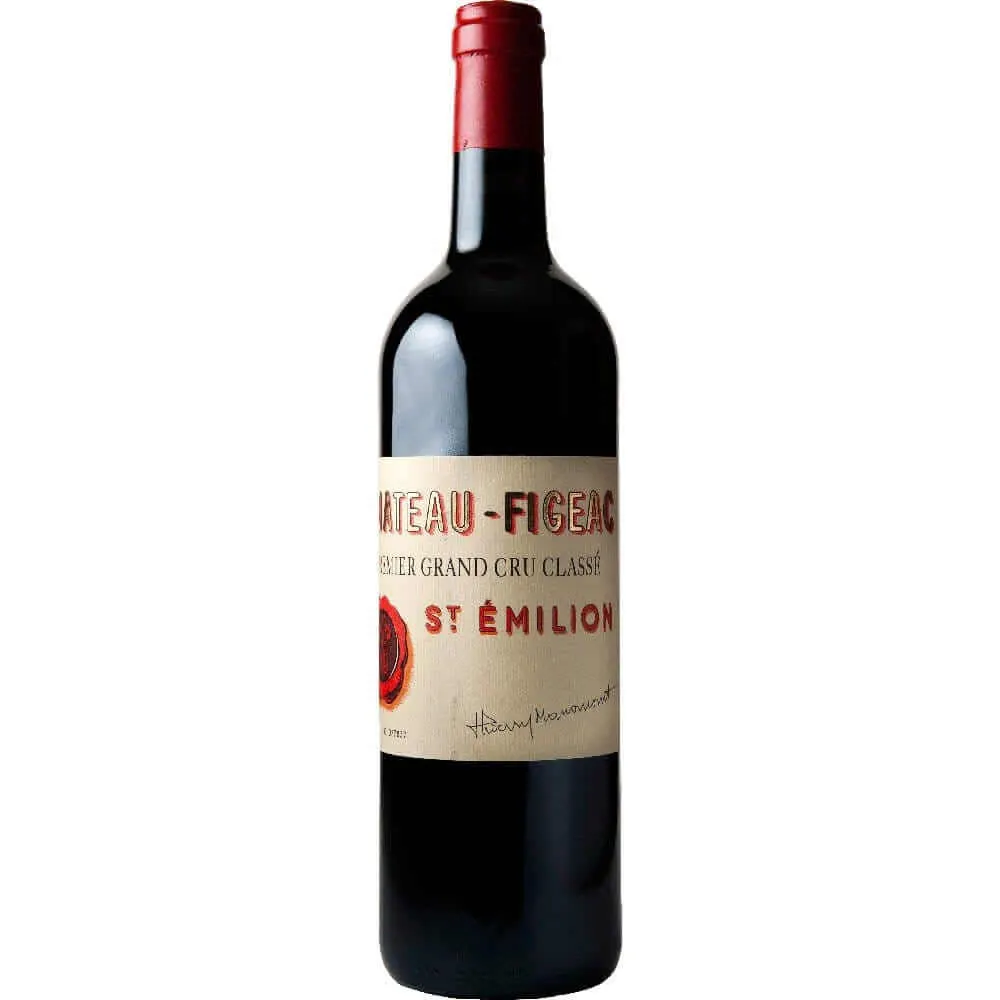
Price
€340.80 ex. VAT
In stockIn stock
The 2016 Figeac is comprised of 38% Cabernet Sauvignon, 36% Merlot and 26% Cabernet Franc. Deep garnet-purple colored, the nose is a little broody and reticent at this very youthful stage, slowly unfolding to reveal profound plum preserves, crème de cassis, black raspberries and star anise with hints of moss-covered bark, truffles and tilled loam plus a waft of red currants and raspberry leaves sparks. Medium to full-bodied, the palate is practically quivering with energy, offering glimpses at tightly wound black fruit and mineral/ferrous layers, framed by very firm, ripe tannins and wonderful tension, finishing long with the spices coming through. This will need a good 7-8 years to come round and then should cellar for 40+ years. Very serious, beautifully poised and sophisticated personality this vintage.
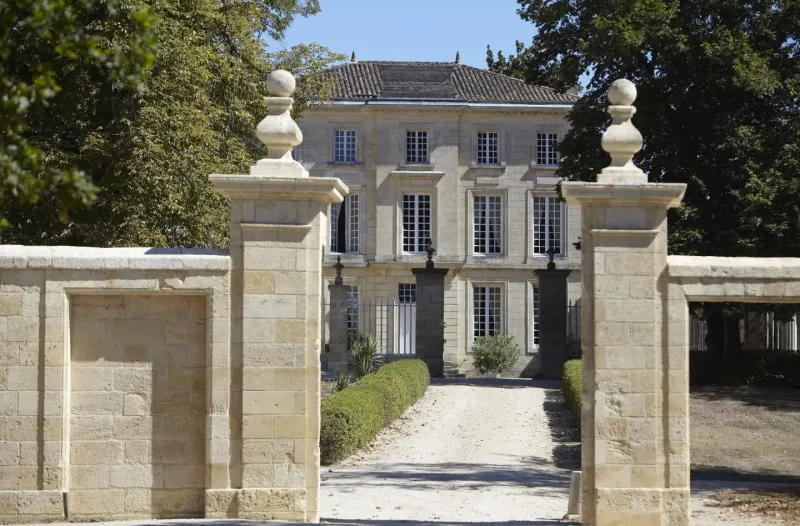
Château Figeac is a renowned winery located in the Saint-Émilion appellation of Bordeaux, France. With a history dating back to the 2nd century AD, the estate has been producing some of the finest wines in the region for centuries. The vineyards are planted with a combination of traditional Bordeaux grape varieties, including Cabernet Franc, Merlot, and Cabernet Sauvignon. The winemaking process combines traditional and modern techniques, resulting in elegant, complex wines with a long finish. The flagship Château Figeac is a blend of Cabernet Franc, Merlot, and Cabernet Sauvignon, while the second wine, Petit-Figeac, is a blend of Merlot and Cabernet Franc. Château Figeac is a favourite among wine enthusiasts and collectors around the world, and its commitment to quality and excellence is evident in every bottle.
Producer
Château Figeac is a renowned wine producer located in the Saint-Émilion appellation of Bordeaux, France. The estate has a long and rich history dating back to the 2nd century AD when it was owned by the Figeacus family. In the…
Explore Château FigeacRegion
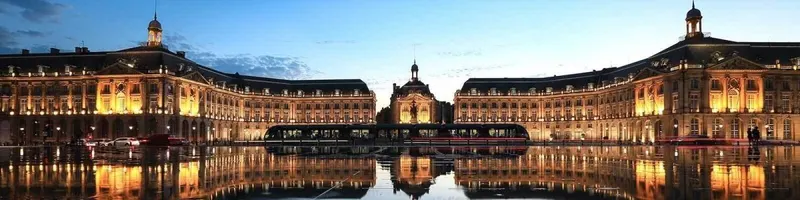
Bordeaux, in the southwest of France, needs little introduction as one of the world's most famous, prestigious and prolific wine regions. The majority of Bordeaux wines (nearly 90 percent of production volume) are the dry…
Explore BordeauxAppellation
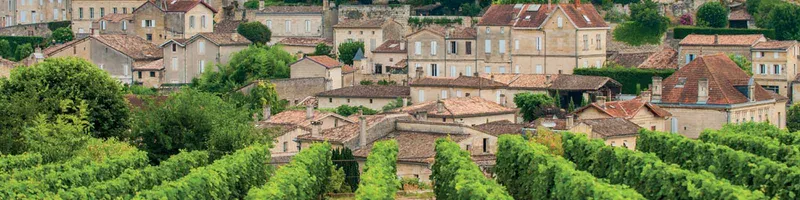
Saint-Émilion is one of Bordeaux's most historic wine appellations, located on the Right Bank of the Dordogne River approximately 40 kilometers east of Bordeaux city. The appellation encompasses the medieval town of…
Explore Saint-Emilion