Every chief stewardess meets the same question in the week before a charter: how much wine do we actually need? Order too little and the last evening is a scramble for a delivery. Order too much and the lazarette is full of cases that nobody has room for. There is no single right answer, but there is a method that gets you close, and this guide sets it out.
The figures below are planning starting points, not statistics. They are the kind of numbers an experienced interior team writes on the back of the preference sheet, and they work best when you adjust them for the people actually coming aboard.
Start with who is coming, not with the bottle count
Before any arithmetic, answer four questions from the broker's paperwork and the guest preference sheet:
- How many adults will actually drink? Children, non-drinkers and guests who only take spirits all change the maths.
- What is the occasion? A family holiday, a birthday week and a corporate group drink very differently.
- What does the itinerary look like? Long passages and quiet anchorages use less wine than a week of beach clubs and shore dinners that finish late.
- Who is choosing? A guest who has named a favourite Champagne or a particular red has just told you where a large part of the budget will go.
Planning figures per drinking adult, per day
A standard 75cl bottle pours about six glasses at 125ml. From that, a workable day on a Mediterranean charter looks like this:
- Aperitif or arrival drink: about a third of a bottle of Champagne or sparkling wine per person.
- Lunch: about a third of a bottle, usually a chilled white or rosé.
- Dinner: about half a bottle, split between white and red depending on the menu.
- Between meals: rosé or a light white on deck, which is where the numbers rise fastest in hot weather.
Added together, that is roughly one to one and a quarter bottles per drinking adult per day, across all wine and Champagne, before spirits and cocktails. A quiet family week can sit well below that. A group celebrating can go well above it.
A sensible split by style
For a first draft of the order, many interior teams start from something like thirty per cent Champagne or sparkling, forty per cent white and rosé, and thirty per cent red, then move the weights according to the preference sheet and the weather. In summer the white and rosé share tends to rise and the red share to fall. Our own summer 2026 season review shows that pattern in what yachts actually ordered.
A worked example: eight guests, seven nights
Take eight adult guests who all drink, on a seven night Mediterranean charter in July.
- One bottle per person per day gives 8 x 7 = 56 bottles as a base.
- Split thirty, forty, thirty: about 17 bottles of Champagne or sparkling, 22 of white and rosé, 17 of red.
- Add a margin of around fifteen per cent for the nights that run long, a surprise guest or a request nobody predicted. That brings the order to about 64 bottles, which you would round up to 66, or eleven cases of six.
Spirits, mixers, water and non-alcoholic options are separate lines. The yacht bar builder is the quickest way to size those, and the guide to low and no alcohol provisioning covers the guests who are not drinking at all.
What changes the numbers
Heat and activity
A hot day with water sports and a long beach lunch pushes consumption of chilled whites and rosé up and red down. If the forecast is for 32 degrees all week, shift weight towards the Provence rosé and crisp whites and keep the reds to the evening.
Big nights
If there is a birthday dinner, an anniversary or a shore party, plan that night on its own. A reception with Champagne for ten people can take five or six bottles before anyone sits down. Larger formats help here, and our guide to magnums and large formats on board explains when they earn their space.
The owner's cellar and the crew
If the owner's cellar is staying aboard for the charter, agree with the captain what is available to guests and what is reserved. Crew consumption is never part of the guest order, and mixing the two is how a cellar loses count. Our advice on building a superyacht wine list shows how to keep the guest list and the cellar record separate.
Budget and the APA
On most charters the wine and spirits are paid from the advance provisioning allowance, which the captain manages. Work out the bottle count first, then price it, and only then trim. Cutting quantity to meet a budget is rarely what a guest would choose; cutting the top few bottles of a long list usually is. The captain's role in this is set out in our piece on the MYBA contract and APA management.
Ordering without guesswork
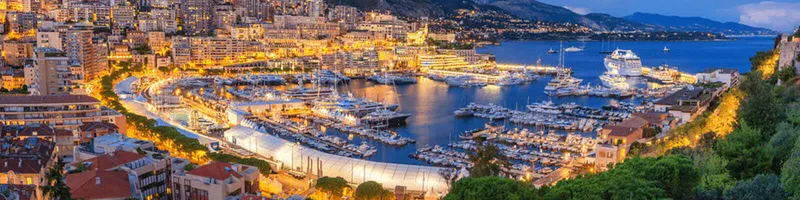
Once you have a bottle count and a style split, you can build the order against live stock instead of a PDF. Our order builder lets you add Champagne from the Champagne collection, rosé, whites and reds in one list, and we can build the quote for you if you would rather send us the sheet. On the Riviera we deliver with our own vans, same day to Nice, Antibes, Cannes and Monaco, so a late change of plan on day three of the charter is a phone call and not a crisis. The detail is on our yacht wine supplier page.
Frequently asked questions
How many bottles of wine per guest per day on a yacht?
A good starting point is one to one and a quarter bottles per drinking adult per day across wine and Champagne, before spirits. Adjust it down for quiet family charters and up for celebrations or very hot weather.
How many glasses are in a bottle of wine?
A 75cl bottle pours about six glasses at 125ml, or five at a more generous 150ml. A magnum pours ten to twelve.
Should I order extra to be safe?
A margin of roughly fifteen per cent is reasonable. Good wine keeps, so the cost of a small surplus is cellar space rather than waste, while running short on the last night is a service failure the guests will remember.
How far ahead should I order for a charter?
As soon as you have the preference sheet. For busy weeks and show periods, two to three weeks ahead is sensible, and our own vans can handle late additions on the Riviera.