
- Robert-Parker-Punkte (RP) 90
- Vinous-Punkte
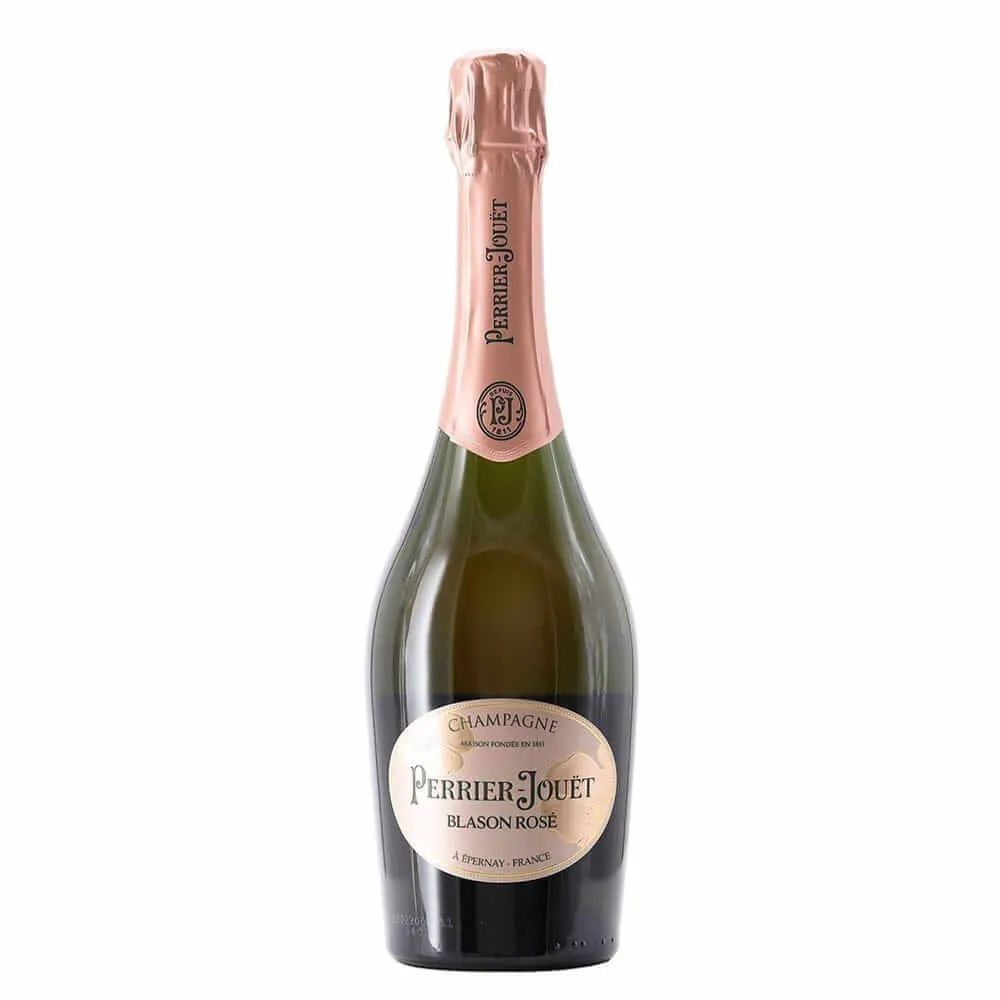
Perrier-Jouët - Blason Rosé
Jahrgang
NV
Größe
75 cl
Preis
€99.60 zzgl. MwSt.
Auf LagerAuf Lager
Verkostungsnotizen
Die üppige Frische des Perrier-Jouët Blason Rosé ist köstlich zu Lachs, Rotbarsch oder Sushi, während seine Fülle wunderbar zu Entenbrust oder Lamm mit roten Früchten wie Preiselbeeren passt. Er kann auch zu Desserts kombiniert werden, die vielleicht rote Beerenfrüchte, weiße Schokolade und Vanillnoten vereinen.
Weitere Informationen
Herkunft
- Typ
- Schaumwein
- Erzeuger
- Perrier-Jouët
- Land
- Frankreich
- Appellation
- Champagner
- Region
- Champagner
- Stil
- Brut
Technik
- Jahrgang
- NV
- Rebsorten
- Champagne-Verschnitt
- Alkoholgehalt
- 12.5%
- Größe
- 75cl
- Ausbau
- Service
- 8° - 10° C
- Trinkreife
Speiseempfehlungen
Charakteristik
Mehr über: Schaumwein
Perrier-Jouët - Blason Rosé
Perrier-Jouët Blason Rosé ist ein herrlicher Champagner, der sich für jeden Anlass eignet. Dieser Champagner wird aus einer Cuvée der Rebsorten Chardonnay, Pinot Noir und Pinot Meunier hergestellt, die sorgfältig aus den besten Weinbergen der Champagne in Frankreich ausgewählt werden.
Der Geschmack von Perrier-Jouët, Blason Rosé zeichnet sich durch seine feinen, fruchtigen Noten mit einem Hauch von roten Früchten und Vanille aus. Der Champagner besticht durch seine schöne rosa Farbe, die durch die Zugabe einer kleinen Menge Rotwein erzielt wird.
Die Geschichte von Perrier-Jouët reicht bis ins Jahr 1811 zurück, als Pierre-Nicolas Perrier und Rose-Adélaïde Jouët das Champagnerhaus im französischen Épernay gründeten. Seitdem ist das Haus für die Herstellung einiger der besten Champagner der Welt bekannt, wobei Qualität und handwerkliches Können im Vordergrund stehen.
Perrier-Jouët Blason Rosé ist der perfekte Begleiter für jeden Anlass, ob romantisches Dinner zu zweit oder Feier mit Freunden. Er harmoniert hervorragend mit einer Vielzahl von Speisen, darunter Meeresfrüchte, Sushi und leichte Salate. Der Champagner schmeckt am besten gekühlt und kann in einem Sektglas oder Weinglas genossen werden.
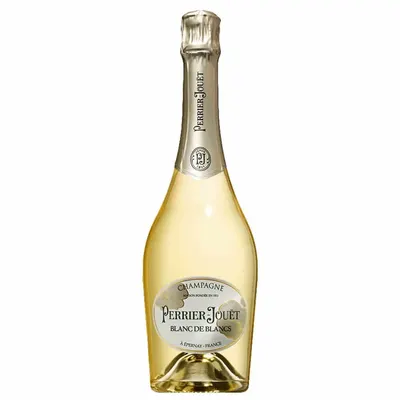
Mehr von Perrier-Jouët
Alle ansehen
Mehr von Champagne
Alle ansehen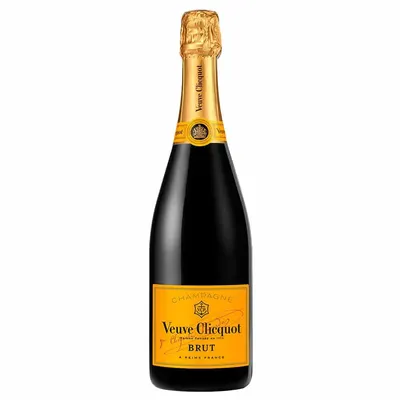
Veuve Clicquot - Ponsardin - Yellow Label - Brut
- NV
- 75cl
- Pinot Meunier, Pinot Noir, Chardonnay
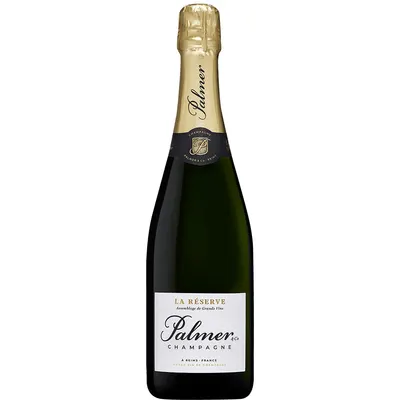
Palmer & Co. Champagne - La Réserve - Brut
- NV
- 75cl
- Chardonnay, Pinot Noir, Pinot Meunier
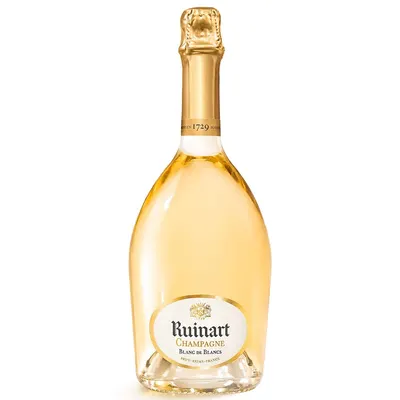
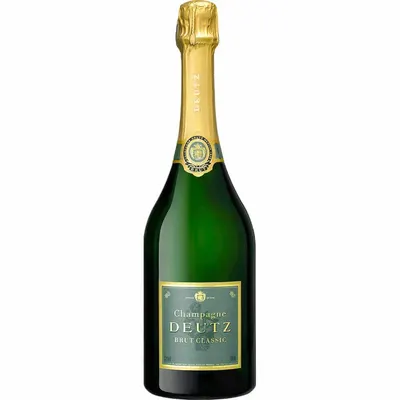
Hinter der Flasche
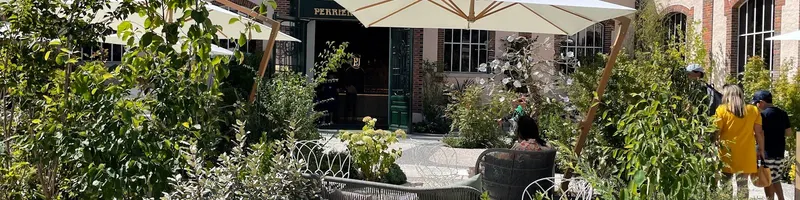
Erzeuger
Perrier-Jouët
Perrier-Jouët ist ein Champagnerhaus, das 1811 in Épernay gegründet wurde und sich im Herzen der französischen Champagne-Region befindet. Das Haus produziert ausschließlich Schaumweine unter der Appellation Champagne und…
Perrier-Jouët entdecken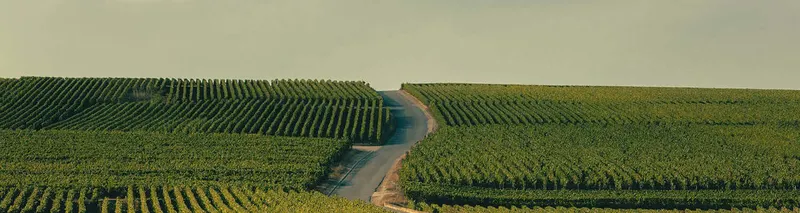
Region
Champagner
Dom Pérignon soll 1668 die Herstellung von Schaumwein entdeckt haben; seine Technik wird heute weltweit angewendet, wobei die Champagne nach wie vor einige der besten Schaumweine hervorbringt. Die Champagne, Frankreichs…
Champagner entdecken