Maitres Vignerons de la Presqu'île de Saint-Tropez - GOUD - Rosé

Maitres Vignerons de la Presqu'île de Saint-Tropez - GOUD - Rosé
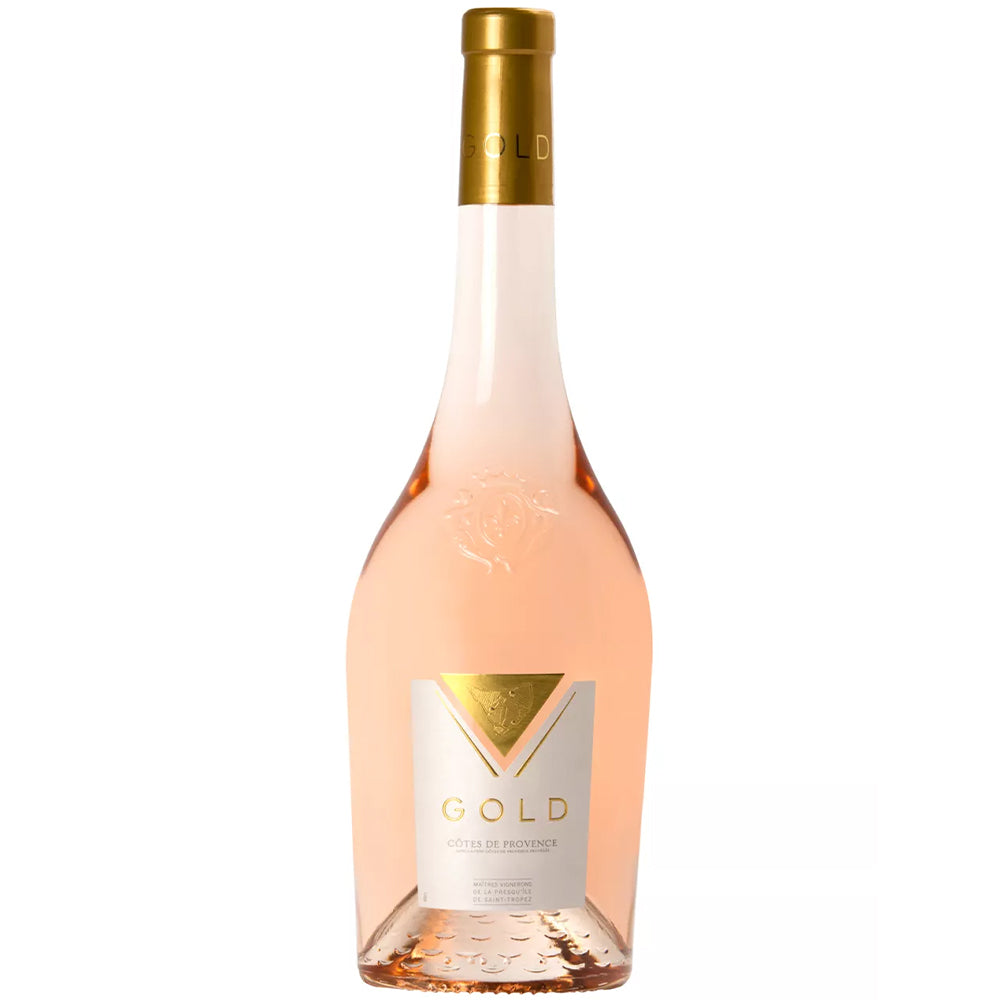
Maitres Vignerons de la Presqu'île de Saint-Tropez - GOUD - Rosé

Vintage
Maat
Normale prijs €19.36
Price on application/
  • Op voorraad
  • Inventaris onderweg
Inclusief belasting. /nl-be/policies/shipping-policy '>Verzendkosten worden berekend bij het afrekenen.

Tasting Notes

Loading tasting notes…

Meer informatie

Technical
ABV
12.5%
Serving
8° - 10° C

Achter de fles

Our collection of Provence - Find this at Onshore Cellars your yacht wine supplier

Provence

Provence strekt zich uit over zuidoost-Frankrijk langs de Middellandse Zeekust, van de Italiaanse grens westwaarts tot de Rhônedelta. Deze oude wijnstreek produceert ongeveer 170 miljoen flessen per jaar,...

Provence strekt zich uit over zuidoost-Frankrijk langs de Middellandse Zeekust, van de Italiaanse grens westwaarts tot de Rhônedelta. Deze oude wijnstreek produceert ongeveer 170 miljoen flessen per jaar, waarbij roséwijnen ongeveer 90% van de totale productie uitmaken. De regio omvat acht appellations, waaronder Côtes de Provence, Bandol en Cassis, verdeeld over gevarieerde landschappen van kustgebieden tot kalksteenheuvels en bergachtig terrein.

Het Middellandse klimaat biedt overvloedig zonlicht, warme temperaturen en de afkoelende invloed van de mistralwind, wat helpt bij het behoud van zuurgraad en vermindert ziektedruk in de wijngaarden. Bodems variëren aanzienlijk in de regio, van kalksteensteen en klei in de heuvels tot zandige kustgebieden en leisteen in bepaalde zones. Côtes de Provence vertegenwoordigt de grootste appellation, terwijl Bandol zich richt op gestructureerde rode wijnen van Mourvèdre, en Cassis specialiseert zich in kenmerkende witte wijnen van lokale variëteiten.

Traditionele druivenrassen domineren de beplantingen, met Grenache, Cinsault en Syrah die de ruggengraat vormen van de meeste roséblends, vaak aangevuld met Mourvèdre en Tibouren. Witte wijnen bevatten typisch Rolle (Vermentino), Clairette en Ugni Blanc, terwijl rode wijnen Grenache, Syrah en Mourvèdre benadrukken. Provençaalse rosés worden gekenmerkt door hun bleek zalmkleurig, bereikt door minimaal huidcontact en onmiddellijk persen, wat resulteert in frisse, droge wijnen met delicate fruitmoten en minerale noten die het diverse terroir van de regio weerspiegelen.

Verken Provence
Côtes de Provence

Côtes de Provence

Côtes de Provence is an appellation located in southeastern France within the Provence region, stretching across the departments of Var and Bouches-du-Rhône. The appellation covers a substantial area...

Côtes de Provence is an appellation located in southeastern France within the Provence region, stretching across the departments of Var and Bouches-du-Rhône. The appellation covers a substantial area of Mediterranean coastline and inland terrain, encompassing zones from the Maures Massif to the Esterel mountains. The appellation was officially established in 1977, recognizing the region's long winemaking tradition dating back centuries.

The appellation benefits from a Mediterranean climate with warm, dry summers and mild winters, moderated by the Mistral wind. Soils vary across the region, ranging from limestone and clay to schist and sandstone, contributing to diverse microclimates within the appellation. Côtes de Provence permits a broad range of grape varieties: Grenache, Cinsault, Syrah, and Mourvèdre dominate red and rosé production, while whites may include Rolle, Semillon, Ugni Blanc, and Sauvignon Blanc. The appellation is not restricted to single-varietal wines; blended wines are standard practice across all three colors.

Rosé wines are the hallmark of Côtes de Provence, typically produced in a dry style with pale salmon coloring. These rosés offer delicate red fruit aromatics and refreshing acidity, suited to the region's warm climate. The appellation also produces dry white wines with citrus and mineral notes, and red wines ranging from light and fruity to more structured examples, depending on the specific blend and producer. The diversity of the appellation reflects both its geographic range and the flexibility winemakers have in blending across permitted varieties.

Lees meer