
- Punti Robert Parker (RP) 94
- Punti Vinous
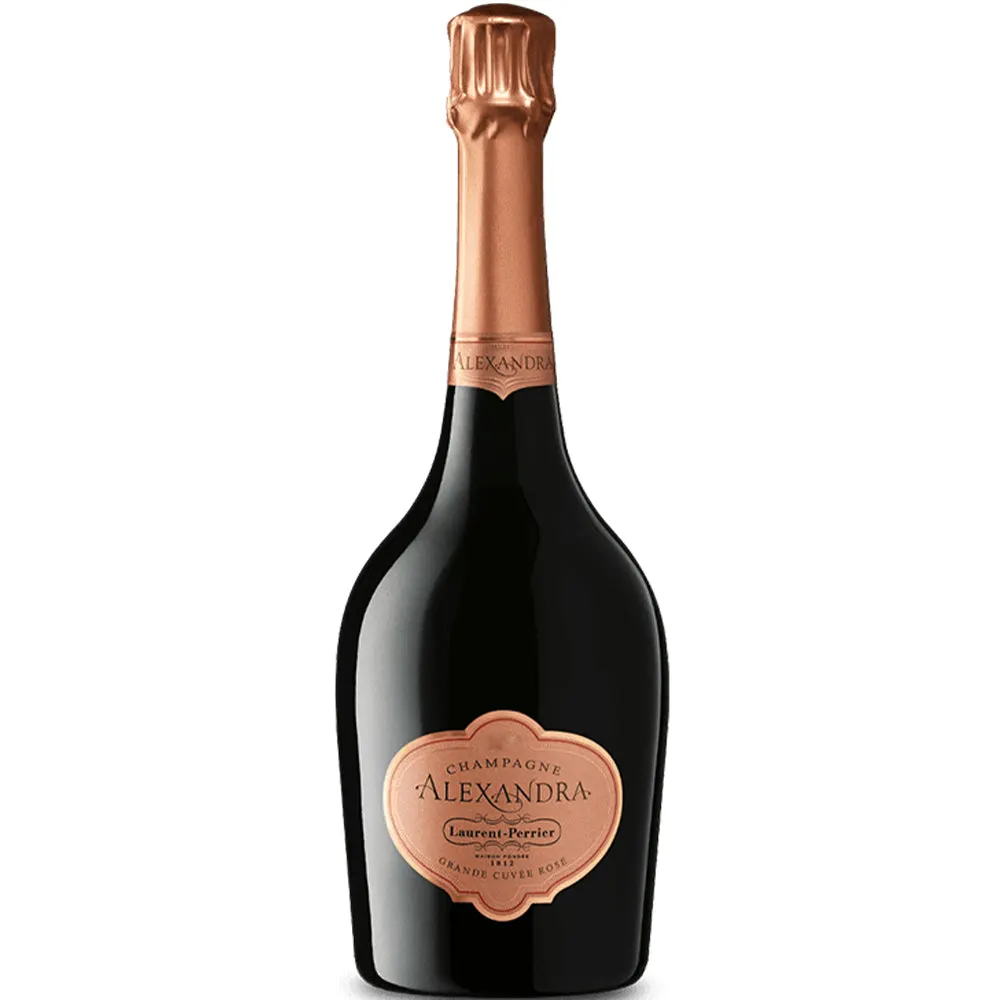
Laurent-Perrier - Cuvée Alexandra - Rosé
Annata
2012
Formato
75 cl
Prezzo
€421.20 IVA esclusa
DisponibileDisponibile
Note di degustazione
A blend of 80% Pinot Noir and 20% Chardonnay that are pressed together, Laurent-Perrier's new 2012 Brut Alexandra Grande Cuvée Rosé was disgorged in January 2022. Wafting from the glass with rich aromas of orange oil, macerated red berries, stone fruits and petals, it's medium to full-bodied, bright and pillowy, with a fleshy core of fruit and delicate phenolic structure that enlivens its sapid finish.
Altre informazioni
Provenienza
- Tipo
- Spumante
- Produttore
- Laurent-Perrier
- Paese
- Francia
- Denominazione
- Champagne
- Regione
- Champagne
- Stile
- Brut
Tecnica
- Annata
- 2012
- Vitigni
- Assemblaggio di Champagne
- Gradazione alcolica
- 12.4%
- Formato
- 75cl
- Affinamento
- Servizio
- 8° - 10° C
- Finestra di beva
- 2022 - 2032
Abbinamenti
Caratteristiche
Informazioni: Spumante
Laurent-Perrier's Cuvée Alexandra Rosé è uno Champagne spumante distinto realizzato principalmente da Pinot Noir, una delle varietà di uve più prestigiose della regione. Questo brut rosé esemplifica l'impegno della maison verso l'eleganza e la precisione, offrendo un vino di straordinaria finezza e complessità che riflette il terroir della regione dello Champagne in Francia.
La maison Laurent-Perrier ha costruito la sua reputazione sulla vinificazione meticolosa e su una filosofia incentrata sulla purezza di espressione. Cuvée Alexandra Rosé dimostra questa dedizione attraverso la sua struttura attentamente equilibrata e il suo carattere raffinato. La mineralità salina del vino e il suo profilo di frutta concentrata lo rendono eccezionalmente versatile a tavola.
Questo Champagne si abbina splendidamente con frutti di mare, aragosta e volatili da caccia, mentre completa anche pietanze più leggere come formaggio di capra e frutti di bosco freschi. Servito come aperitivo o durante l'intero pasto, questo vino spumante porta sofisticatezza a qualsiasi occasione, dalle cene intime in ville private all'intrattenimento raffinato su superyacht.
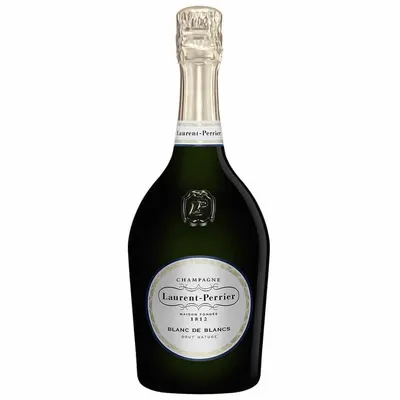
Altro da Laurent-Perrier
Vedi tutto
- Kosher
Altro da Champagne
Vedi tutto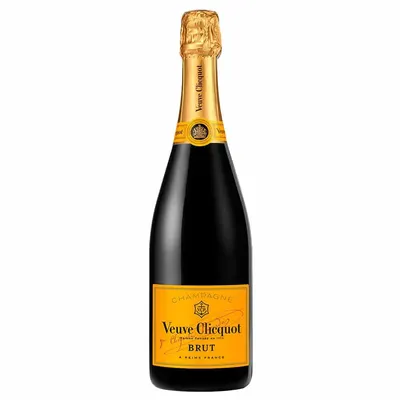
Veuve Clicquot - Ponsardin - Yellow Label - Brut
- NV
- 75cl
- Pinot Meunier, Pinot Noir, Chardonnay
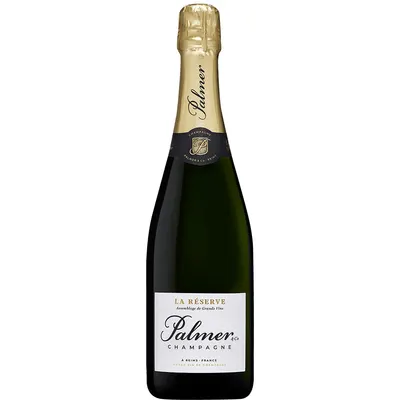
Palmer & Co. Champagne - La Réserve - Brut
- NV
- 75cl
- Chardonnay, Pinot Noir, Pinot Meunier
Dietro la bottiglia
Produttore
Laurent-Perrier
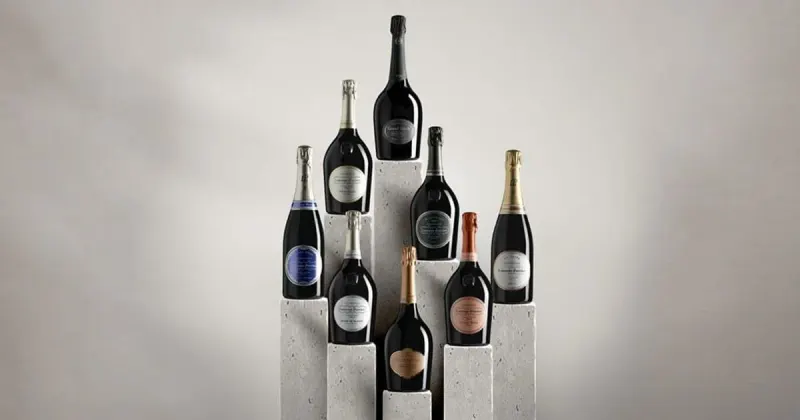
Laurent Perrier è stata fondata nel 1812 dalla famiglia Laurent. Solitamente un blend di tre annate, sebbene in anni eccezionali rilasciato come etichetta vintage, Grand Siècle è il fiore all'occhiello della maison Laurent…
Scopri Laurent-Perrier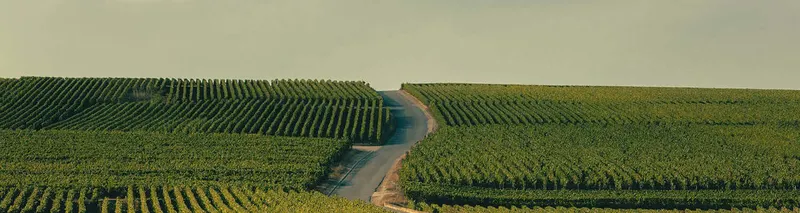
Regione
Champagne
Nel 1668, Dom Pérignon avrebbe scoperto come fare il vino spumante; oggi la sua tecnica è utilizzata in tutto il mondo, sebbene la Champagne continui a produrre alcuni dei migliori. La regione vinicola più settentrionale della…
Scopri Champagne