- Kosher
- Robert Parker (RP) points
- Vinous points
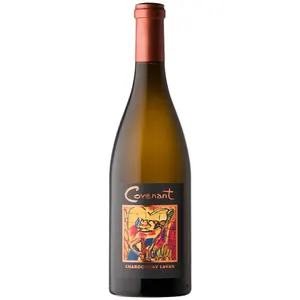
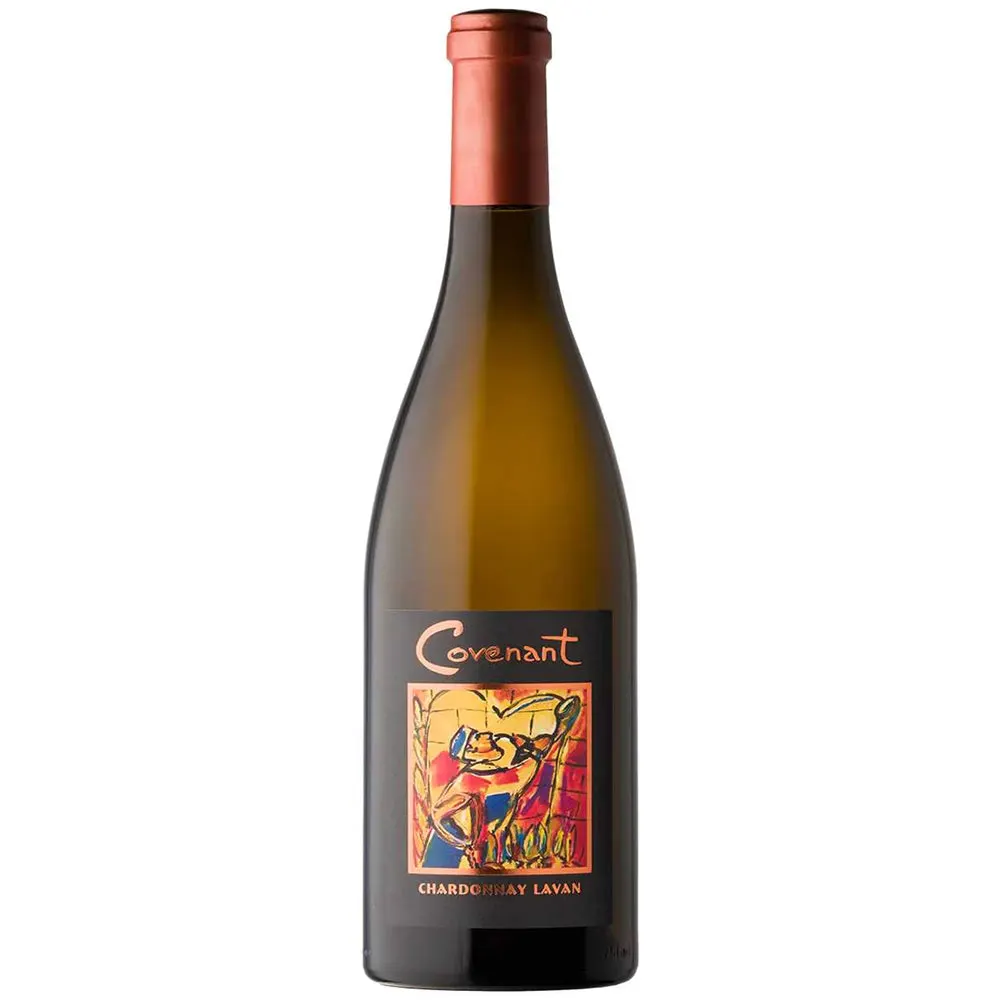
Covenant - Chardonnay Lavan - Sonoma Mountain - Kosher
Vintage
2021
Size
75 cl
Price
€69.60 ex. VAT
In stockIn stock
- Kosher
Tasting notes
On the palate, the wine is crisp and refreshing with a vibrant acidity that balances its rich fruit flavours. Notes of green apple, lemon zest, and a touch of stone fruit emerge, along with a delicate, creamy texture from the oak. The finish is clean, with lingering citrus and mineral notes, providing a nice balance of freshness and depth.
More information
Provenance
- Type
- White
- Producer
- Covenant
- Country
- USA
- Appellation
- Sonoma Mountain
- Region
- California
Technical
- Vintage
- 2021
- Grapes
- Chardonnay
- ABV
- 14%
- Size
- 75cl
- Ageing
- Serving
- 10° - 12° C
- Drinking window
Food pairings
Key characteristics
About this wine
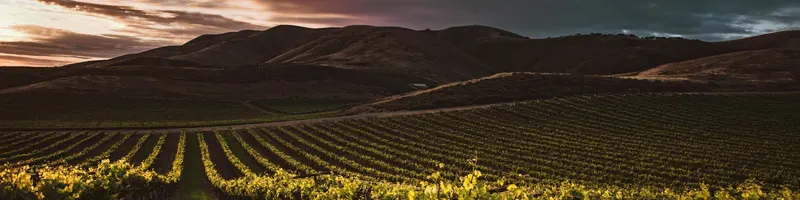
Covenant produces premium kosher wines that honor both winemaking excellence and religious tradition. This Chardonnay from Sonoma Mountain showcases the region's distinctive terroir, where cool mountain elevations and fog-influenced microclimates create ideal conditions for producing crisp, mineral-driven white wines with remarkable balance and finesse.
Grown in the Sonoma Mountain appellation, this Chardonnay expresses light intensity with vibrant citrus and green fruit character, complemented by subtle creamy textures and minerality. At 14% ABV, it achieves elegant restraint without sacrificing complexity. The wine's crisp profile and versatile nature make it exceptionally food-friendly, pairing beautifully with shellfish, sushi, fresh goat cheese, green vegetables, and citrus-based dishes. It's equally at home at an intimate dinner or sophisticated gathering.
Whether you're stocking a private cellar, yacht, or wine program for fine dining, this kosher Chardonnay delivers refined California white wine craftsmanship with the certification and quality standards discerning collectors demand.
More from Covenant
View allBehind the bottle


Region
California
California spans nearly 800 miles along the Pacific Coast and ranks as the fourth-largest wine producing region globally by volume. The state's diverse geography encompasses coastal valleys, inland mountains, and desert areas…
Explore California