
- Robert Parker (RP) points
- Vinous points
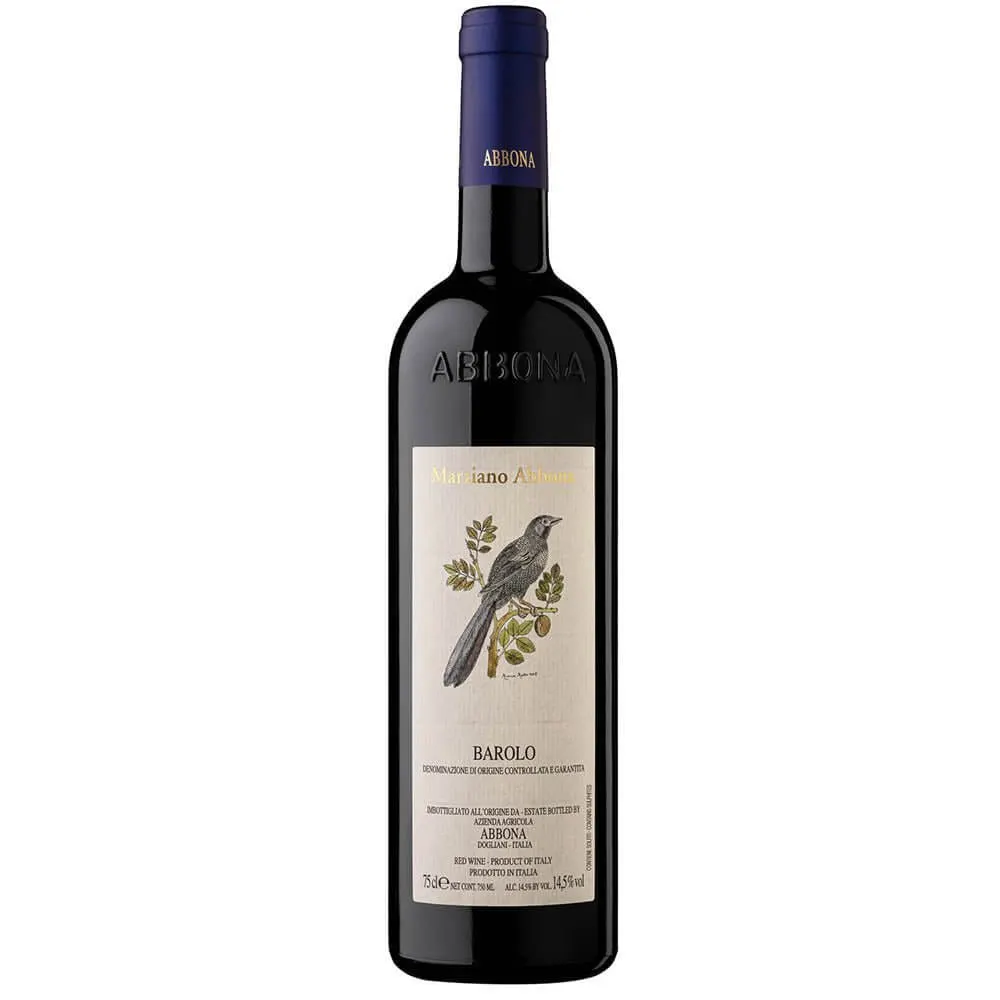
Marziano Abbona - Barolo
Vintage
2021
Price
€58.80 ex. VAT
In stockIn stock
Tasting notes
Barolo by Abbona is an exceptional red wine made from grapes in Monforte d'Alba. It has an intense ruby red colour with floral scents of dog rose, violet, and humus. It has a wide and intense taste, with good persistence and well-integrated tannins.
More information
Provenance
- Type
- Red
- Producer
- Marziano Abbona
- Country
- Italy
- Appellation
- Barolo DOCG
- Region
- Piedmont
Technical
- Vintage
- 2021
- Grapes
- Nebbiolo
- ABV
- 14.5%
- Size
- 75cl
- Ageing
- Serving
- 16° - 18° C
- Drinking window
Food pairings
Key characteristics
About this wine
Marziano Abbona - Barolo: A Wine That Tells a Story
If you're a wine enthusiast, you've probably heard of Barolo, the king of Italian wines. And if you're looking for a Barolo that stands out from the rest, Marziano Abbona's Barolo is a must-try. This wine is a true expression of the terroir and the winemaker's passion, and it has a story to tell.
First, let's talk about the taste profile. Marziano Abbona's Barolo is made from 100% Nebbiolo grapes, which are grown in the prestigious DOCG (Denominazione di Origine Controllata e Garantita) area of Barolo in Piedmont, Italy. The wine is aged for 24 months in oak barrels and then for an additional 12 months in the bottle before release. The result is a wine that is complex, elegant, and full-bodied. On the nose, you'll find aromas of red fruit, violet, and spices, while on the palate, you'll taste notes of cherry, licorice, and tobacco. The tannins are firm but well-integrated, and the finish is long and persistent.
But Marziano Abbona's Barolo is more than just a delicious wine. It's a wine with a history. Marziano Abbona is a family-owned winery that has been producing wine in the Langhe area of Piedmont since the early 20th century. The winery is now run by Marziano's son, and the family's passion for winemaking has only grown stronger over the years. Marziano Abbona's Barolo is a tribute to the family's roots and to the land that has been their home for generations.
So where should you enjoy this wine? Marziano Abbona's Barolo is a wine that deserves to be savored on a special occasion. It pairs well with rich, flavorful dishes such as roasted meats, game, and aged cheeses. But it's also a wine that can be enjoyed on its own, as a meditation wine. Pour yourself a glass, sit back, and let the wine take you on a journey through the hills of Piedmont.
In conclusion, Marziano Abbona's Barolo is a wine that tells a story. It's a wine that reflects the terroir, the winemaker's
More from Marziano Abbona
View all
More from Barolo DOCG
View all
Behind the bottle
Producer
Marziano Abbona
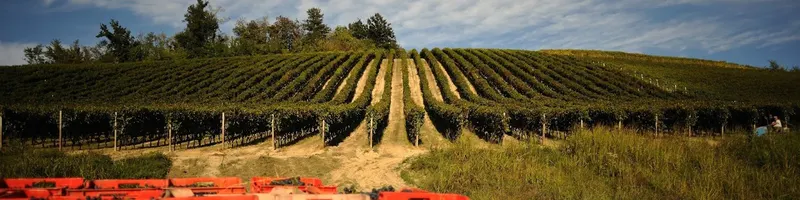
Marziano Abbona is a wine producer based in Piedmont, Italy, operating within the prestigious Barbaresco DOCG zone. The estate focuses on producing traditional Piedmontese red wines from the Nebbiolo grape variety, crafting both…
Explore Marziano Abbona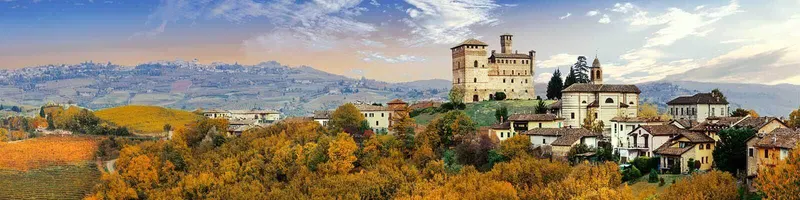
Region
Piedmont
Piemonte (Piedmont) occupies most of northwestern Italy, bordering Switzerland in the north and France in the west and almost reaching the Mediterranean coast. Its capital and largest city is Turin (Torino). In the wine world…
Explore Piedmont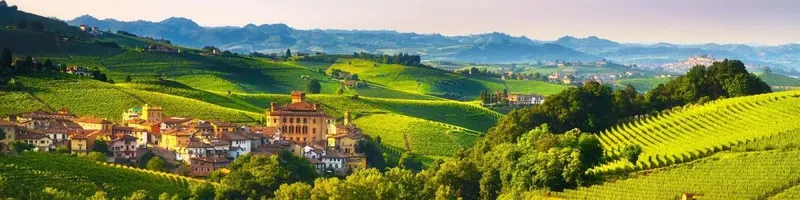
Appellation
Barolo DOCG
Barolo DOCG is located in the Piedmont region of northwestern Italy, encompassing eleven communes in the provinces of Cuneo and Alba. The appellation was granted DOCG status in 1980, recognizing it as one of Italy's most…
Explore Barolo DOCG