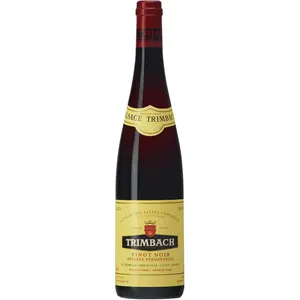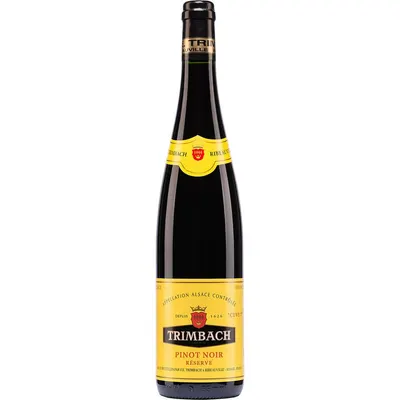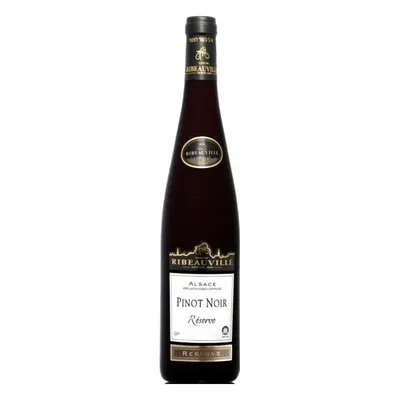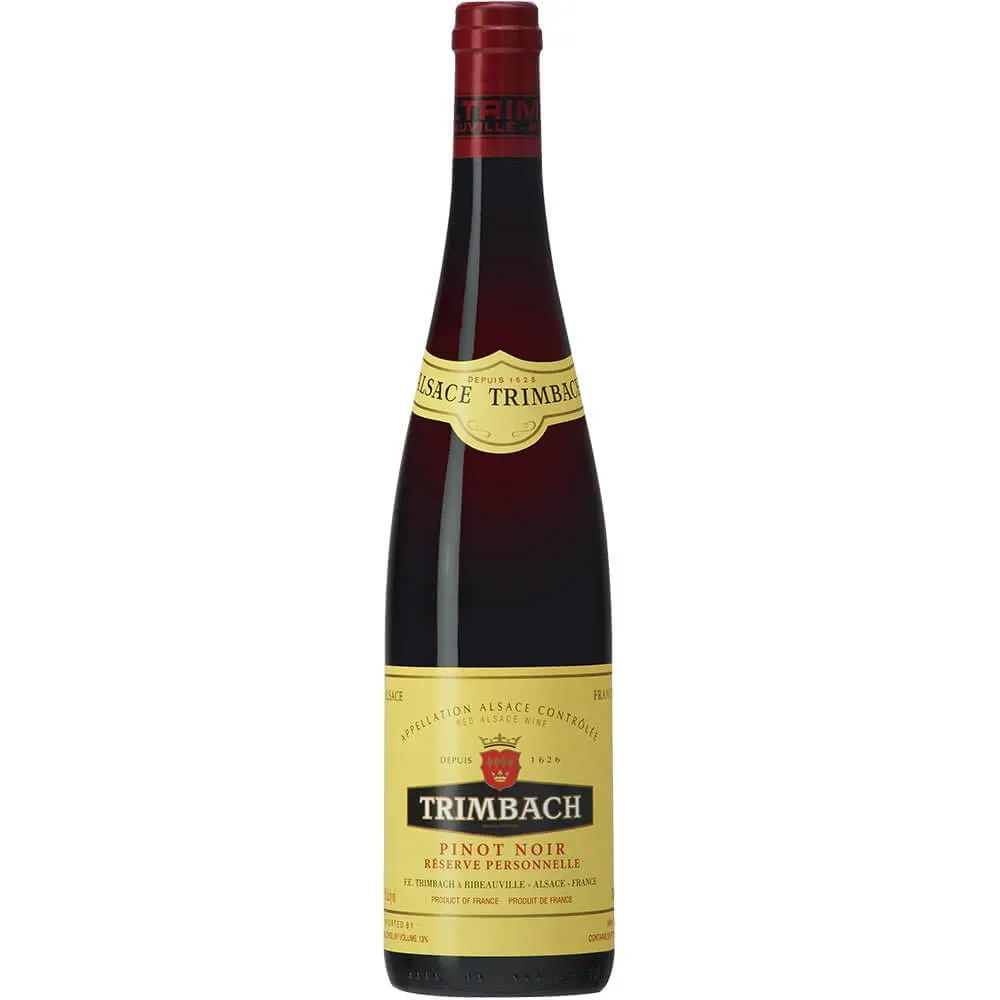
Maison Trimbach - Pinot Noir Reserve

Maison Trimbach - Pinot Noir Reserve - 2021 - 75cl - Onshore Cellars

Maison Trimbach - Pinot Noir Reserve

Vintage
Size
Regular price €26.40
Price on application/
  • In stock
  • Inventory on the way
Tax included. Shipping calculated at checkout.

Tasting Notes

Loading tasting notes…

More information

Provenance
Type
Red
Country
Appellation
Producer
Technical
Grapes
ABV
13%
Serving
14° - 16° C
Food Pairings
DuckCharcuterie and Cured MeatsMushroomsGrilled MeatsGrilled VegetablesTapas and Small Plates
Key Characteristics
Light-bodiedLight intensityRed fruitVelvetySmokyForest floor

Behind the bottle

Maison Trimbach

Maison Trimbach

Maison Trimbach is a family-owned winery based in Ribeauvillé, Alsace, France. The domaine has been producing wines in Alsace for multiple generations, focusing primarily on the region's signature...

Maison Trimbach is a family-owned winery based in Ribeauvillé, Alsace, France. The domaine has been producing wines in Alsace for multiple generations, focusing primarily on the region's signature white varietals along with limited Pinot Noir production. Their vineyards are situated in some of Alsace's most respected sites, including Grand Cru parcels.

Alsace wine production is characterized by varietal wines that express the unique terroir of the Vosges foothills. The region's continental climate and diverse soil types, ranging from granite to limestone and clay, create ideal conditions for aromatic white wines with pronounced minerality and aging potential. Alsatian Riesling is particularly known for its dry style, crisp acidity, and ability to reflect specific vineyard sites, while Pinot Gris from the region typically shows more body and richness compared to other interpretations of the grape.

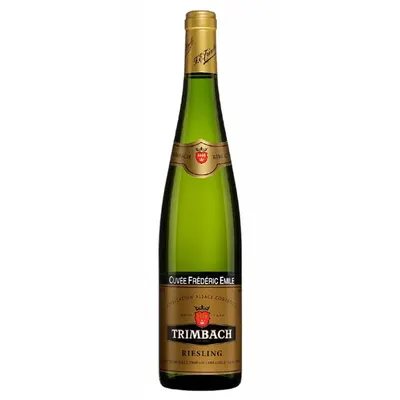
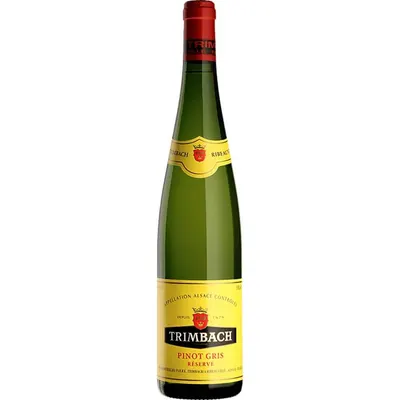
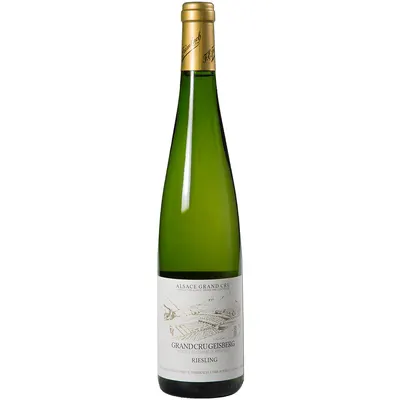
Trimbach's current range demonstrates their focus on traditional Alsatian varieties, with multiple expressions of Riesling including their Cuvée Frederic Emile and a Grand Cru Schlossberg bottling. They also produce Reserve-level wines from Pinot Gris and maintain a small production of Pinot Noir, the only red grape permitted in Alsace appellation wines.

Maison Trimbach
Alsace

Alsace

Alsace is a wine region in northeastern France, located in the eastern foothills of the Vosges mountains and bordering Germany to the east. The region has a documented...

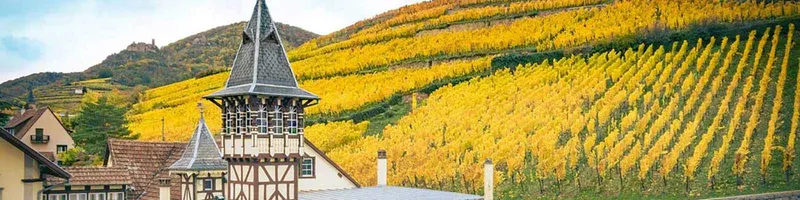
Alsace is a wine region in northeastern France, located in the eastern foothills of the Vosges mountains and bordering Germany to the east. The region has a documented winemaking history stretching back to the medieval period, though its current appellation framework was formalized in the 20th century. The terrain is characterized by steep, terraced vineyards on hillsides that face southeast, with the Vosges providing a natural rain shadow that significantly influences the local climate.

The region experiences a continental climate with warm, dry summers and cold winters, conditions that favor the production of dry wines with concentrated fruit character. Soils vary considerably across Alsace's scattered vineyard sites, ranging from limestone and marl to granite and volcanic substrates, which imparts distinct mineral signatures to wines. The appellation permits several white grape varieties as its principal focus—Riesling, Gewurztraminer, Pinot Gris, and Muscat—alongside limited production of Pinot Noir for red wines. Winemakers here traditionally produce wines across a spectrum of sweetness levels, from bone-dry to late-harvest expressions, depending on vintage conditions and harvest timing.

Alsatian wines are characterized by aromatic intensity and crisp acidity despite relatively high alcohol levels, a profile shaped by the region's cool-climate continental setting. Rieslings from Alsace display floral and mineral notes with stone fruit character, while Gewurztraminers are known for distinctive spice, lychee, and rose petal aromatics. Pinot Gris typically offers broader body and riper fruit expression than Riesling, often with honeyed undertones. The dry style predominates in modern production, though noble rot infections in favorable years produce complex sweet wines of considerable aging potential.

Read more