
- Robert Parker (RP) points 95
- Vinous points
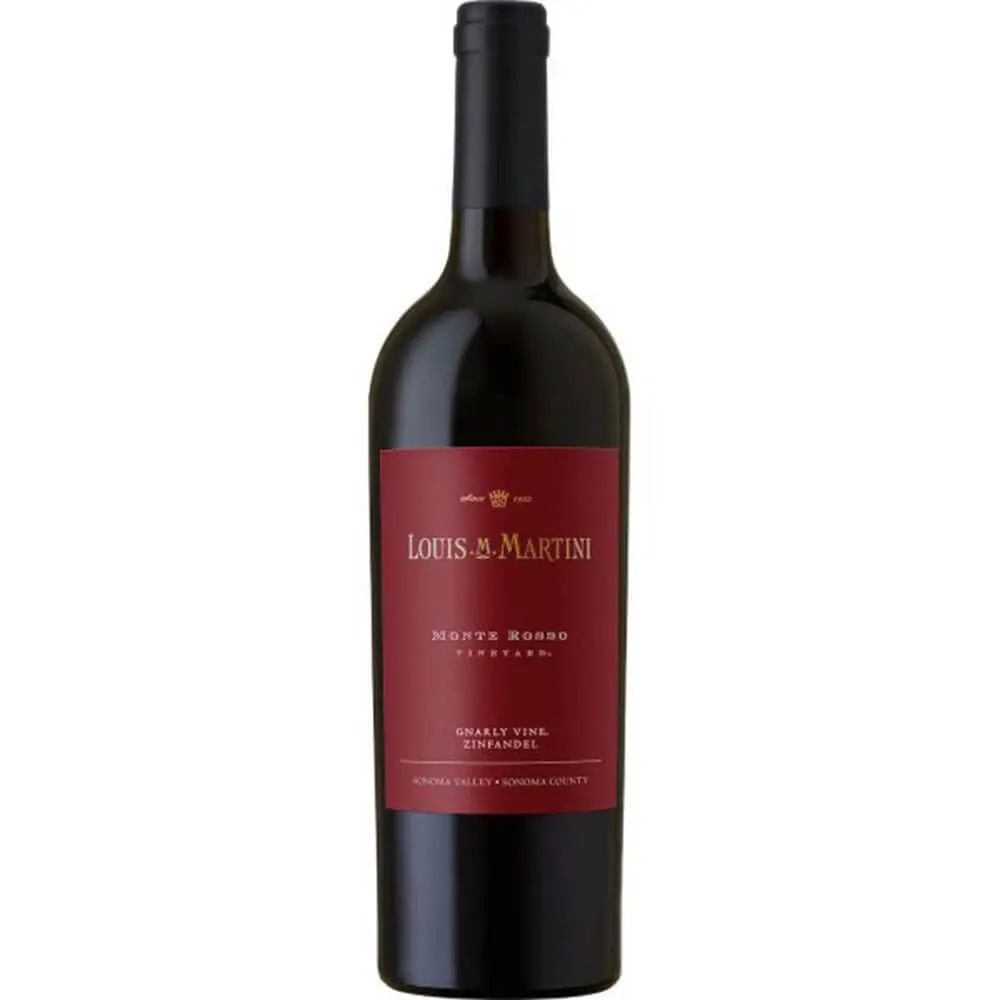
Louis M. Martini - Monte Rosso Vineyard - Cabernet Sauvignon - Sonoma Valley
Vintage
2018
Size
75 cl
Price
€166.80 ex. VAT
In stockIn stock
Tasting notes
Ripe, focused and nicely structured, this full-bodied wine wraps delicious, tangy red cherries and plump black cherries in rather firm tannins, keeping them fresh for longer aging. The wine's oak spices are subtle and well integrated with the concentrated fruit flavours. This wine will drink best from 2028 through 2040. Jim Gordon
More information
Provenance
- Type
- Red
- Producer
- Louis M. Martin
- Country
- USA
- Appellation
- Sonoma County
- Region
- California
Technical
- Vintage
- 2018
- Grapes
- Cabernet Sauvignon
- ABV
- 16%
- Size
- 75cl
- Ageing
- Serving
- 16° - 18° C
- Drinking window
- 2025 - 2045
Food pairings
Key characteristics
About this wine
Louis M. Martini Monte Rosso Vineyard Cabernet Sauvignon from Sonoma Valley offers a rich and complex taste profile. With bold flavors of dark berries, cassis, and hints of cedar and tobacco, this wine showcases a full-bodied palate with velvety tannins. The aroma is intense, with notes of black cherry, vanilla, and a touch of spice. What sets this Cabernet Sauvignon apart is its exceptional balance and long, elegant finish.
This wine is perfect for special occasions and celebrations, such as dinner parties, anniversaries, or holiday gatherings. Pair it with grilled ribeye steak, roasted lamb, or aged cheeses to enhance its flavors. The Louis M. Martini Monte Rosso Vineyard Cabernet Sauvignon is a luxurious choice for wine enthusiasts looking for a sophisticated and memorable drinking experience.
More from Sonoma County
View all
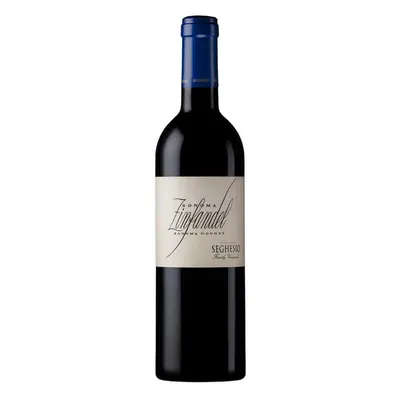
Behind the bottle

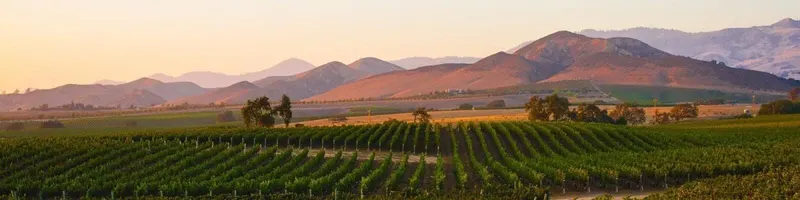
Region
California
California spans nearly 800 miles along the Pacific Coast and ranks as the fourth-largest wine producing region globally by volume. The state's diverse geography encompasses coastal valleys, inland mountains, and desert areas…
Explore California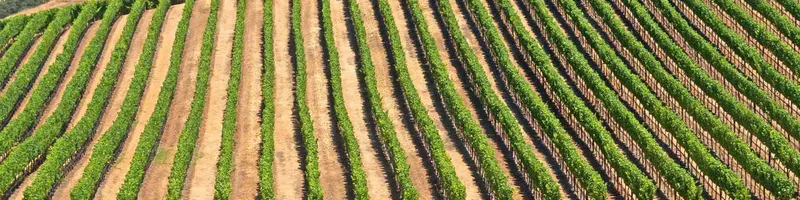
Appellation
Sonoma County
Sonoma County is a large American Viticultural Area established in 1983, encompassing approximately 400,000 acres in Northern California. Located north of San Francisco and west of Napa Valley, the county stretches from the…
Explore Sonoma County