
- Robert Parker (RP) points
- Vinous points
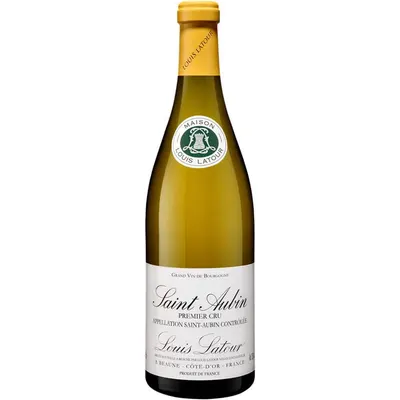
Louis Latour - Saint Aubin
Price
€45.60 Sold out
Sold out
Enquire about availabilityTasting notes
The Saint-Aubin has a brilliant golden yellow colour, it is a fairly mineral wine, typical of dried fruits and supported by more subtle notes such as spices, vanilla, exotic fruits and honey. A very good structure and a supple finish.
More information
Provenance
- Type
- White
- Producer
- Louis Latour
- Country
- France
- Appellation
- Saint-Aubin
- Region
- Burgundy
Technical
- Vintage
- Grapes
- ABV
- Size
- Ageing
- Serving
- 12° - 14° C
- Drinking window
Food pairings
Key characteristics
About this wine
Louis Latour is a renowned wine producer based in the Saint Aubin region of Burgundy, France. With a rich history dating back to 1797, the Latour family has been dedicated to crafting exceptional wines that showcase the unique terroir of the region.
The style of production at Louis Latour is deeply rooted in tradition and respect for the land. The vineyards are meticulously cared for, with sustainable farming practices and a focus on preserving the natural balance of the ecosystem. The grapes are hand-harvested at optimal ripeness, ensuring that only the finest fruit is selected for winemaking.
Louis Latour specializes in producing wines from the Chardonnay grape variety, which thrives in the limestone-rich soils of Saint Aubin. The cool climate and unique terroir of the region impart a distinct character to the wines, characterized by elegance, finesse, and a beautiful balance of fruit and acidity.
One of the standout wines produced by Louis Latour is the Saint Aubin Premier Cru. This wine is made from grapes grown in the premier cru vineyards of the region, which are known for their exceptional quality. The wine undergoes a meticulous vinification process, including fermentation in oak barrels and aging on the lees, resulting in a wine of great complexity and depth. The Saint Aubin Premier Cru exhibits a beautiful golden color, with aromas of ripe citrus fruits, white flowers, and a hint of toasted oak. On the palate, it is rich and creamy, with flavors of lemon, pear, and a subtle minerality. The wine has a long, lingering finish, making it a perfect companion to a wide range of dishes, from seafood to poultry.
In addition to the Saint Aubin Premier Cru, Louis Latour also produces a range of other white wines, including the Saint Aubin Village and the Saint Aubin En Remilly. These wines offer a more accessible entry point into the Louis Latour portfolio, while still showcasing the elegance and finesse that the estate is known for.
Louis Latour's commitment to quality and excellence has earned them numerous accolades and recognition in the wine industry. Their wines consistently receive high ratings from critics and are sought after by wine enthusiasts around the world. Whether you are a seasoned wine connoisseur or a novice looking to explore the world of Burgundy wines, Louis Latour offers a range of exceptional wines
More from Louis Latour
View all
More from Saint-Aubin
View all
Behind the bottle
Producer
Louis Latour
Louis Latour is a Burgundy wine producer based in Meursault, one of the Côte de Beaune's most celebrated white wine villages. The house produces both red and white wines, working primarily with Burgundy's traditional grape…
Explore Louis Latour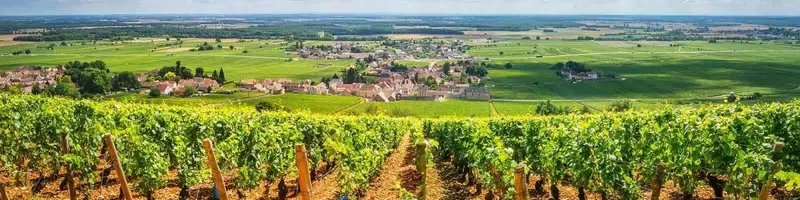
Region
Burgundy
The French Wine region of Burgundy (aka “Bourgogne”) may be small in size, but its influence is huge in the world of vino. The complexity of Burgundy can cast fear into the heart of even a seasoned wine pro, but fear not, the…
Explore Burgundy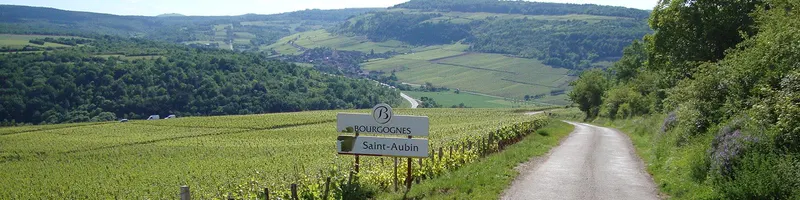
Appellation
Saint-Aubin
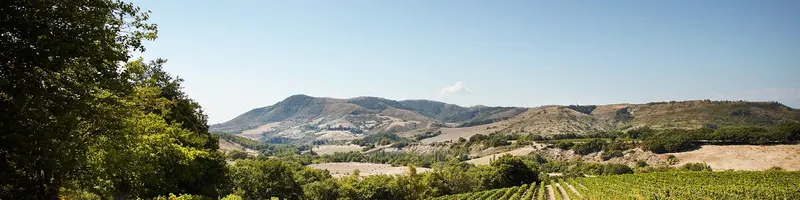
Saint-Aubin is a wine appellation located in Burgundy's Côte de Beaune, situated between the more famous villages of Chassagne-Montrachet and Puligny-Montrachet. The appellation was established in 1937 and covers vineyards in…
Explore Saint-Aubin