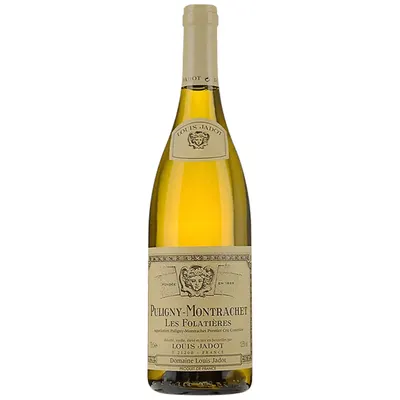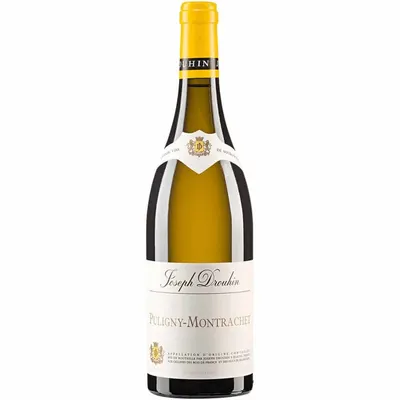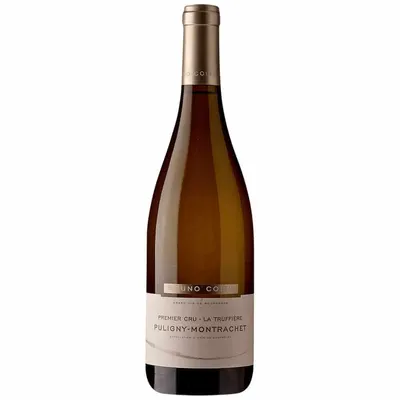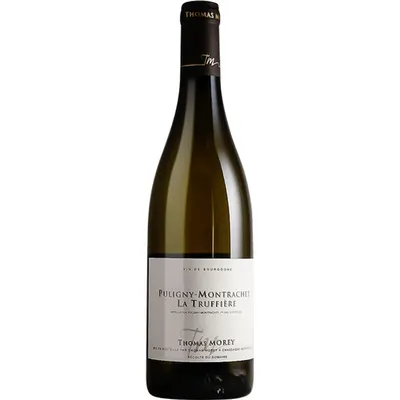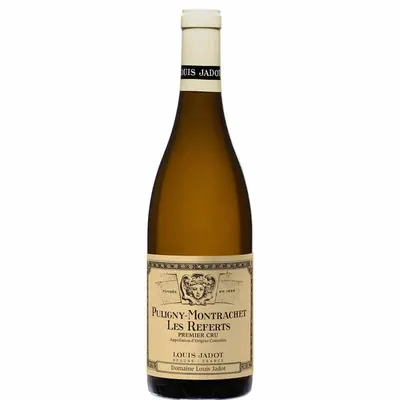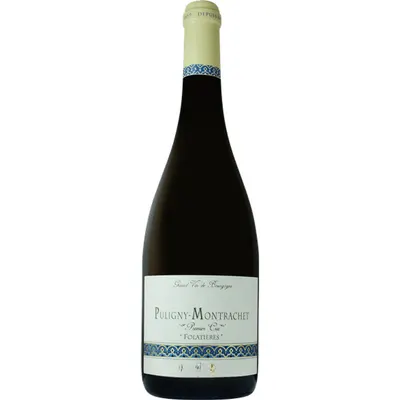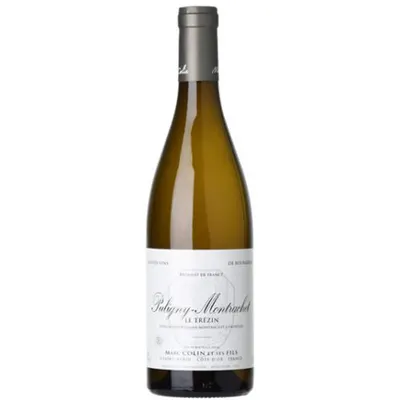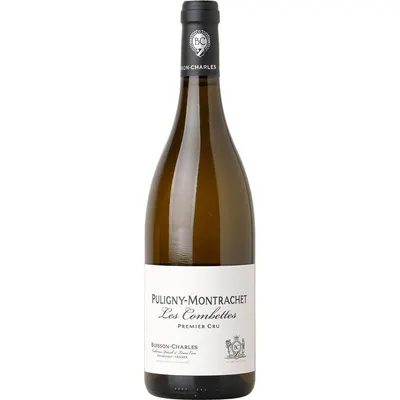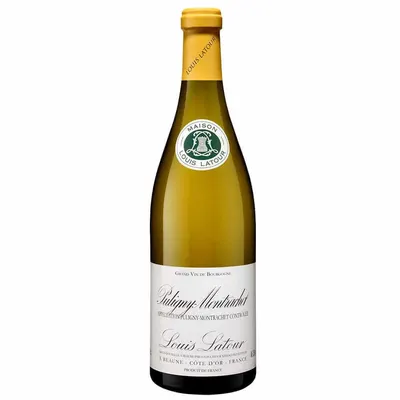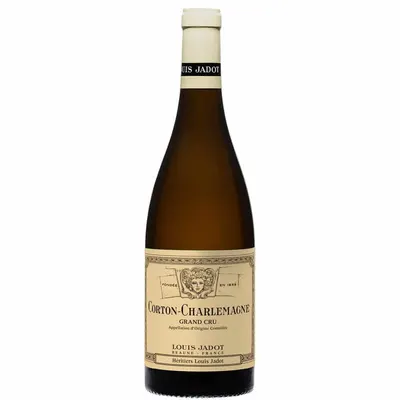
Louis Jadot - Puligny-Montrachet

89 RP Points
89 RP Points
89 RP Points
89 RP Points
87 RP Points
88 RP Points
Louis Jadot - Puligny-Montrachet

Louis Jadot - Puligny-Montrachet

Vintage
Size
Regular price €86.40
Price on application/
  • In stock
  • Inventory on the way
Tax included. Shipping calculated at checkout.

Tasting Notes

Loading tasting notes…

Loading tasting notes…

Loading tasting notes…

Loading tasting notes…

Loading tasting notes…

Loading tasting notes…

Loading tasting notes…

Loading tasting notes…

Loading tasting notes…

More information

Provenance
Type
Country
Appellation
Producer
Technical
Grapes
ABV
13.5%
Serving
8° - 12° C
Food Pairings
ShellfishLobsterCrabWhite FishPoultrySaladsGreen VegetablesCitrus-Based DishesFresh Herbs and Aromatic DishesGoat CheeseCamembertBrieCakes

Behind the bottle

Louis Jadot

Louis Jadot

Louis Jadot is a Burgundy négociant house established in Beaune in 1859. The company operates from the Côte de Beaune and produces wines across multiple Burgundy appellations, from...

Louis Jadot is a Burgundy négociant house established in Beaune in 1859. The company operates from the Côte de Beaune and produces wines across multiple Burgundy appellations, from village-level bottlings to Grand Cru vineyards. As both a négociant and vineyard owner, Louis Jadot sources grapes from contracted growers while also maintaining their own estate vineyards throughout Burgundy.

The house follows traditional Burgundian winemaking practices, focusing primarily on Pinot Noir and Chardonnay. Their wines span the full hierarchy of Burgundy appellations, from regional Bourgogne to prestigious Grand Cru sites. The Côte de Beaune, where they are based, is particularly known for producing some of Burgundy's finest white wines, especially from appellations like Meursault, Puligny-Montrachet, and Chassagne-Montrachet, while also yielding elegant Pinot Noir from villages such as Volnay and Beaune.

Louis Jadot's current range includes wines from premier sites including Bâtard-Montrachet and Chapelle-Chambertin at the Grand Cru level, Premier Cru bottlings from appellations like Morey-Saint-Denis, and village wines from across the Côte d'Or. They also produce Chablis from the northern reaches of Burgundy and extend into Beaujolais, working with Gamay in addition to their core Burgundian varietals.

Louis Jadot
Burgundy - Onshore Cellars

Burgundy

The French Wine region of Burgundy (aka “Bourgogne”) may be small in size, but its influence is huge in the world of vino. The complexity of Burgundy...

The French Wine region of Burgundy (aka “Bourgogne”) may be small in size, but its influence is huge in the world of vino. The complexity of Burgundy can cast fear into the heart of even a seasoned wine pro, but fear not – the region need only be as complicated as you want it to be. Yes, it is home to some of the most expensive wines in the known universe, but there are also tasty and affordable wines.

Main grapes:

Pinot Noir originated in Burgundy and these vines cover 34% of the region, accounting for 29% of overall wine production. The red grape does extremely well in limestone and clay soil, which helps create their complexity. Pinot Noir wines from Burgundy range in colour from cherry to brick, are light in body, and typically have red fruit and spicy flavours. Gamay is a red grape also grown in Burgundy, but only makes up 10% of the vines.

Chardonnay is the primary grape for white wines in Burgundy, making up 48% of the vines and 68% of production. Chardonnay appreciates Burgundy’s marl soil, which gives it delicate floral, fruit, and mineral aromas and full-bodied flavours. Aligoté is the second white grape, accounting for 6% grown. {Read more about the ancient Aligoté grape in Burgundy.}

The region does produce a sparkling wine called Crémant de Bourgogne. It can be made from Chardonnay, Pinot Noir, Pinot Gris, Aligoté, Gamay, Sacy, and Melon. Varieties include blanc, blanc de blancs, blanc de noirs, and rosé.

Explore Burgundy
Puligny-Montrachet

Puligny-Montrachet

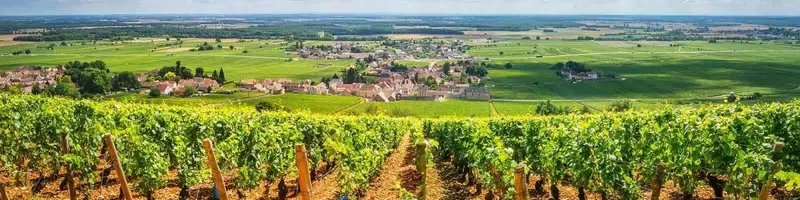
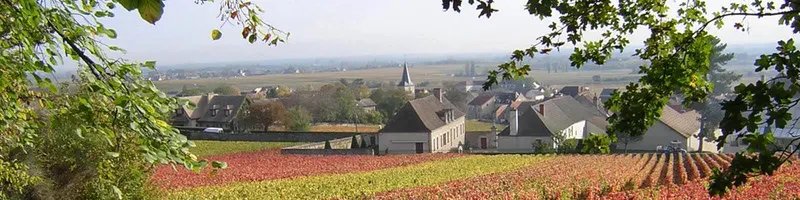
Puligny-Montrachet is a commune and appellation d'origine contrôlée in the Côte de Beaune subregion of Burgundy, France. Located between Meursault to the north and Chassagne-Montrachet to the south,...

Puligny-Montrachet is a commune and appellation d'origine contrôlée in the Côte de Beaune subregion of Burgundy, France. Located between Meursault to the north and Chassagne-Montrachet to the south, this small village sits on the limestone-rich slopes of the Côte d'Or escarpment. The appellation was established in 1937 and encompasses both village-level wines and premier cru vineyards, with the famous Le Montrachet grand cru vineyard straddling the border between Puligny-Montrachet and Chassagne-Montrachet.

The terroir consists primarily of limestone and marl soils with excellent drainage and southeastern exposure that provides optimal sun exposure for ripening. Chardonnay is the sole permitted grape variety for white wine production in this appellation. The premier cru vineyards, including Les Combettes, Les Folatières, and Les Pucelles, occupy mid-slope positions where the combination of soil composition and microclimate creates ideal conditions for producing structured, mineral-driven wines. Traditional winemaking methods typically involve fermentation and aging in oak barrels, with many producers employing both new and used French oak.

Puligny-Montrachet wines are characterized by their mineral precision, citrus fruit flavors, and remarkable aging potential. Village-level wines typically display fresh apple and lemon notes with subtle floral undertones and a distinctive chalky minerality. Premier cru bottlings show greater concentration and complexity, often developing hazelnut and honey characteristics with age while maintaining the appellation's signature mineral backbone and bright acidity.

Read more