
- Robert Parker (RP) points
- Vinous points
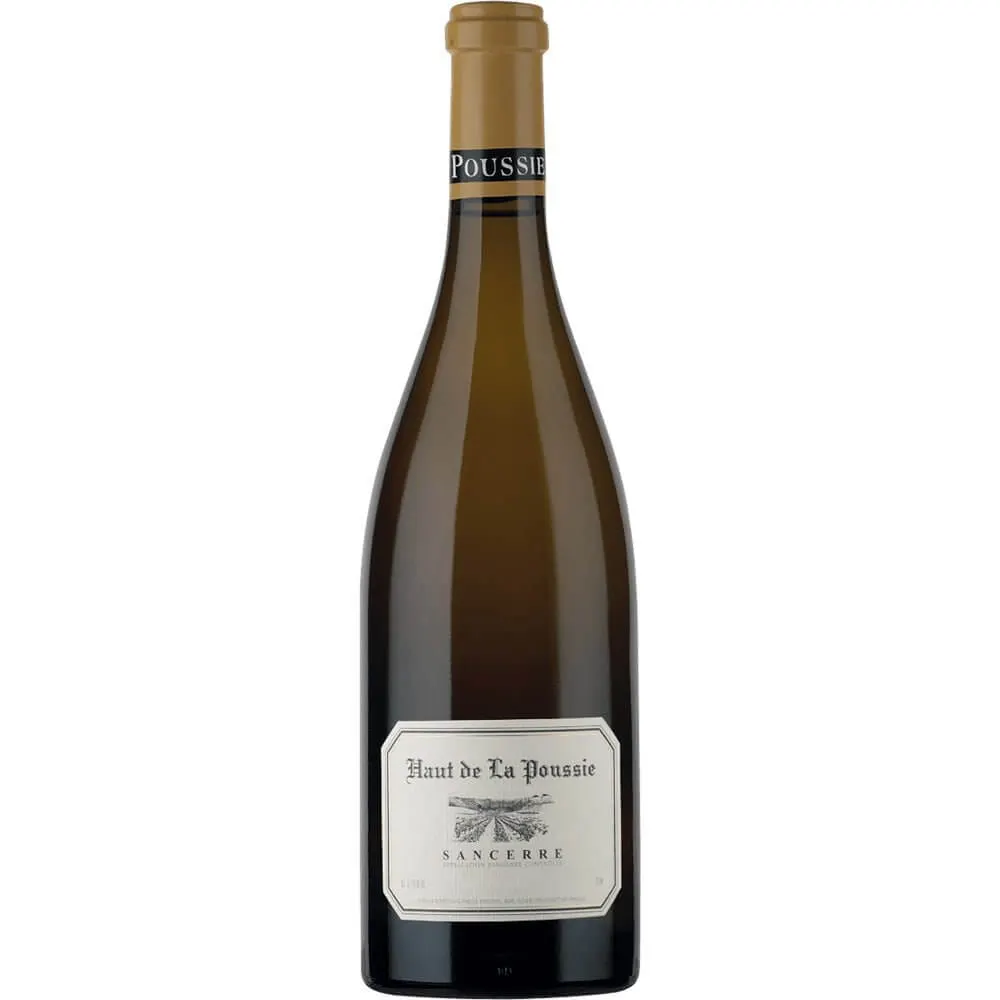
La Poussie - Haut de la Poussie - Sancerre
Vintage
2023
Size
75 cl
Price
€50.40 ex. VAT
In stockIn stock
Tasting notes
Poussie Haut de la Poussie Sancerre is an exceptional expression of Loire Valley terroir. Brilliant and light yellow in the glass, it captivates with golden reflections and a lively, delicate swirl that hints at its elegant character. The bouquet is vibrant and expressive, offering aromas of lemongrass, grapefruit, gooseberry, and kumquat, delicately layered with notes of green pepper, gingerbread spice, and a touch of cocoa. On the palate, this dry white wine reveals a remarkably light and velvety texture, showcasing the finesse and purity typical of premium Sancerre. The finish is long and refreshing, leaving lingering impressions of pomelo and lime. Perfect for those who appreciate a crisp, bone-dry white with complexity and charm.
More information
Provenance
- Type
- White
- Producer
- Domaine De Ladoucette
- Country
- France
- Appellation
- Sancerre
- Region
- Loire
Technical
- Vintage
- 2023
- Grapes
- Sauvignon Blanc
- ABV
- 12.5%
- Size
- 75cl
- Ageing
- Serving
- 10° - 12° C
- Drinking window
Food pairings
Key characteristics
About this wine
La Poussie - Haut de la Poussie - Sancerre
La Poussie - Haut de la Poussie - Sancerre is a premium wine produced by the renowned La Poussie winery in the Sancerre region of France. This wine is made from 100% Sauvignon Blanc grapes, which are carefully selected and handpicked to ensure the highest quality.
The taste profile of La Poussie - Haut de la Poussie - Sancerre is characterized by its crisp acidity, bright citrus flavors, and subtle mineral notes. On the nose, you'll detect aromas of grapefruit, lemon, and lime, with a hint of flinty minerality.
The history of La Poussie winery dates back to the 15th century, when it was owned by the monks of Saint-Satur. Today, the winery is owned by the Mellot family, who have been producing wine in the Sancerre region for generations. The Mellot family is committed to sustainable and organic farming practices, which are reflected in the quality of their wines.
La Poussie - Haut de la Poussie - Sancerre is best enjoyed chilled, and pairs well with seafood, salads, and light pasta dishes. It's the perfect wine to enjoy on a warm summer day, or to serve as an aperitif before a meal.
More from Domaine De Ladoucette
View all
More from Sancerre
View all
Behind the bottle
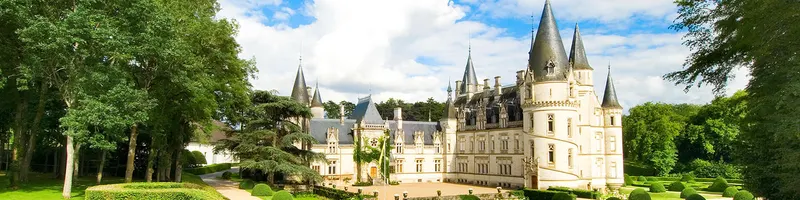
Producer
Domaine De Ladoucette
The estate is now owned by Baron Patrick de Ladoucette, a descendant of the Comte Lafond, and Pouilly Fumé has earned a reputation as one of the world’s great white wines. After taking over Ladoucette in 1972, the Baron extended…
Explore Domaine De Ladoucette
Region
Loire
The Loire Valley stretches approximately 1,000 kilometers along France's longest river, from the Atlantic coast inland to the central highlands. This extensive wine region encompasses diverse terroirs across four main…
Explore Loire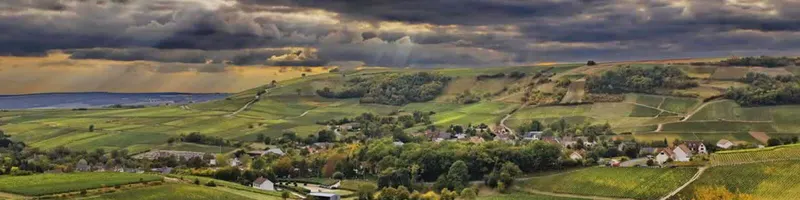
Appellation
Sancerre
Sancerre is an appellation d'origine contrôlée located in the eastern Loire Valley of France, centered around the hilltop town of Sancerre in the Cher department. The appellation was established in 1936 and encompasses 14…
Explore Sancerre