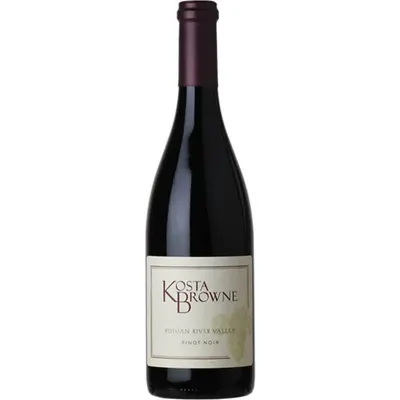
Kosta Browne - Gap's Crown Vineyard - Pinot Noir

Kosta Browne - Gap's Crown Vineyard - Pinot Noir - 2021 - 75cl - Onshore Cellars

Kosta Browne - Gap's Crown Vineyard - Pinot Noir

Vintage
Size
Regular price €214.80
Price on application/
  • In stock
  • Inventory on the way
Tax included. Shipping calculated at checkout.

Tasting Notes

Loading tasting notes…

More information

Provenance
Type
Red
Country
Appellation
Producer
Technical
Grapes
ABV
14.1%

Behind the bottle

Kosta Browne

Kosta Browne

Kosta Browne is a California winery based in the Russian River Valley, specializing in Pinot Noir and Chardonnay production. The winery focuses exclusively on these two grape varieties,...

Kosta Browne is a California winery based in the Russian River Valley, specializing in Pinot Noir and Chardonnay production. The winery focuses exclusively on these two grape varieties, which are particularly well-suited to the cool climate conditions of their home appellation in Sonoma County.

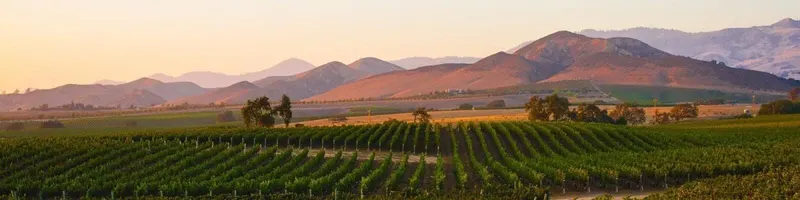
The Russian River Valley is recognized as one of California's premier regions for Pinot Noir, benefiting from morning fog that rolls in from the Pacific Ocean and creates the extended growing season necessary for this finicky grape. The region's well-draining soils and temperature variations between day and night help produce Pinot Noirs with complexity and structured acidity. Chardonnay also thrives here, developing balanced fruit character while maintaining freshness.

Kosta Browne's current portfolio demonstrates their commitment to these varietals, with multiple vintages of Russian River Valley Pinot Noir spanning recent years, alongside their "One Sixteen" Chardonnay bottling. This focus allows the winery to concentrate their efforts on mastering the expression of these grapes within their specific terroir.

Kosta Browne
California - Onshore Cellars

California

California spans nearly 800 miles along the Pacific Coast and ranks as the fourth-largest wine producing region globally by volume. The state's diverse geography encompasses coastal valleys, inland...

California spans nearly 800 miles along the Pacific Coast and ranks as the fourth-largest wine producing region globally by volume. The state's diverse geography encompasses coastal valleys, inland mountains, and desert areas, with vineyards extending from Mendocino County in the north to San Diego County in the south. Wine production began during the Spanish mission period in the late 18th century, though the modern California wine industry emerged following the repeal of Prohibition in 1933.

The Pacific Ocean's maritime influence creates distinct microclimates throughout California's wine regions, with coastal areas experiencing cooling fog and inland valleys subject to greater temperature variation. Napa Valley and Sonoma County represent the state's most recognized appellations, while emerging regions like Santa Barbara County and Paso Robles contribute to California's viticultural diversity. Soil types range from volcanic ash in Napa Valley to limestone-rich soils in parts of Paso Robles, providing varied terroir expressions across appellations.

Cabernet Sauvignon dominates red wine production, particularly in Napa Valley, while Chardonnay leads white varieties with notable expressions from cool-climate regions like Russian River Valley and Carneros. Pinot Noir thrives in coastal appellations including Sonoma Coast and Santa Barbara County, benefiting from marine influence and longer growing seasons. California's Mediterranean climate allows for extended hang time, typically producing wines with ripe fruit characteristics and higher alcohol levels compared to European counterparts.

Explore California
Sonoma Coast

Sonoma Coast

The Sonoma Coast AVA encompasses the western portion of Sonoma County, California, stretching from the Pacific Ocean inland to the warmer valley floors. Established in 1987, this appellation...

The Sonoma Coast AVA encompasses the western portion of Sonoma County, California, stretching from the Pacific Ocean inland to the warmer valley floors. Established in 1987, this appellation covers approximately 480,000 acres, making it one of California's larger wine regions. The boundaries extend from the Mendocino County line in the north to the Marin County line in the south, capturing the diverse topography where coastal mountains meet the sea.

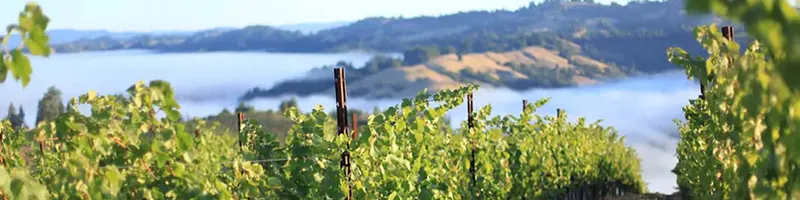
The region's proximity to the Pacific Ocean creates a distinctive cool, maritime climate characterized by morning fog and afternoon winds that moderate temperatures throughout the growing season. Soils vary considerably across the appellation, ranging from sandy loam near the coast to volcanic ash and sedimentary deposits further inland. The combination of elevation changes, from sea level to over 1,800 feet, and ocean influence creates numerous microclimates within the AVA. Chardonnay and Pinot Noir dominate plantings, as these Burgundian varieties thrive in the cooler conditions.

Sonoma Coast wines typically display bright acidity and elegant structure due to the extended growing season created by the maritime influence. Chardonnays from this region often show crisp minerality with citrus and stone fruit characteristics, while maintaining freshness even in warmer vintages. Pinot Noirs tend toward a more restrained style with red fruit flavors, earthy undertones, and silky tannins, reflecting the cool climate's ability to preserve the grape's natural acidity and delicate aromatics.

Read more