Groth Vineyards - Sauvignon Blanc - Napa Valley

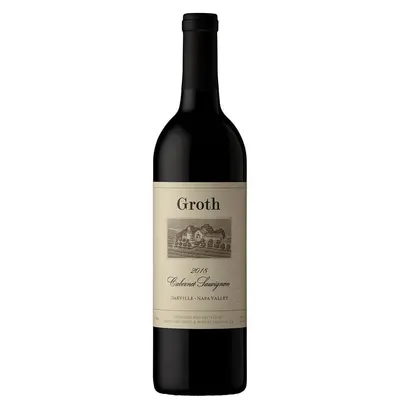
Groth Vineyards - Sauvignon Blanc - Napa Valley - 2019 - 75cl - Onshore Cellars

Groth Vineyards - Sauvignon Blanc - Napa Valley

Vintage
Size
Regular price €45.60
Price on application/
  • In stock
  • Inventory on the way
Tax included. Shipping calculated at checkout.

Tasting Notes

Loading tasting notes…

More information

Provenance
Type
Country
Appellation
Producer
Technical
ABV
14%

Behind the bottle

Groth Vineyards

Groth VIneyards

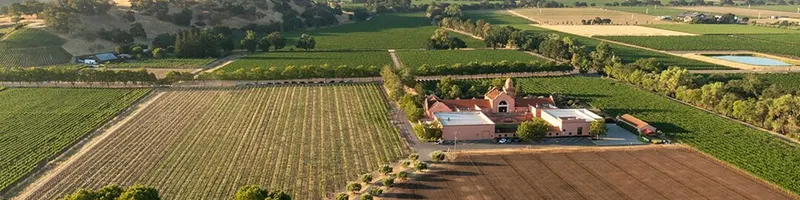
Groth Vineyards is a Napa Valley winery located in Oakville, one of California's most prestigious Cabernet Sauvignon appellations. The estate focuses on producing red wines from classic Bordeaux...

Groth Vineyards is a Napa Valley winery located in Oakville, one of California's most prestigious Cabernet Sauvignon appellations. The estate focuses on producing red wines from classic Bordeaux grape varieties, with particular emphasis on Cabernet Sauvignon from their Oakville vineyard sites.

Oakville sits in the heart of Napa Valley's valley floor, where the combination of well-drained alluvial soils and a moderate climate creates ideal conditions for Cabernet Sauvignon. The appellation is known for producing wines with concentrated fruit character, structured tannins, and the ability to age gracefully. The slightly warmer temperatures compared to southern Napa Valley areas allow for full phenolic ripeness while maintaining balance.

Groth's current offerings showcase their commitment to Oakville Cabernet Sauvignon, with releases that demonstrate both the varietal purity of single-variety bottlings and the complexity that comes from blending with traditional Bordeaux varieties like Merlot. Their wines reflect the distinctive terroir characteristics that have made Oakville a benchmark region for premium California Cabernet Sauvignon.

Groth VIneyards
California - Onshore Cellars

California

California spans nearly 800 miles along the Pacific Coast and ranks as the fourth-largest wine producing region globally by volume. The state's diverse geography encompasses coastal valleys, inland...

California spans nearly 800 miles along the Pacific Coast and ranks as the fourth-largest wine producing region globally by volume. The state's diverse geography encompasses coastal valleys, inland mountains, and desert areas, with vineyards extending from Mendocino County in the north to San Diego County in the south. Wine production began during the Spanish mission period in the late 18th century, though the modern California wine industry emerged following the repeal of Prohibition in 1933.

The Pacific Ocean's maritime influence creates distinct microclimates throughout California's wine regions, with coastal areas experiencing cooling fog and inland valleys subject to greater temperature variation. Napa Valley and Sonoma County represent the state's most recognized appellations, while emerging regions like Santa Barbara County and Paso Robles contribute to California's viticultural diversity. Soil types range from volcanic ash in Napa Valley to limestone-rich soils in parts of Paso Robles, providing varied terroir expressions across appellations.

Cabernet Sauvignon dominates red wine production, particularly in Napa Valley, while Chardonnay leads white varieties with notable expressions from cool-climate regions like Russian River Valley and Carneros. Pinot Noir thrives in coastal appellations including Sonoma Coast and Santa Barbara County, benefiting from marine influence and longer growing seasons. California's Mediterranean climate allows for extended hang time, typically producing wines with ripe fruit characteristics and higher alcohol levels compared to European counterparts.

Explore California
Our collection of Napa Valley - Find this at Onshore Cellars your yacht wine supplier

Napa Valley

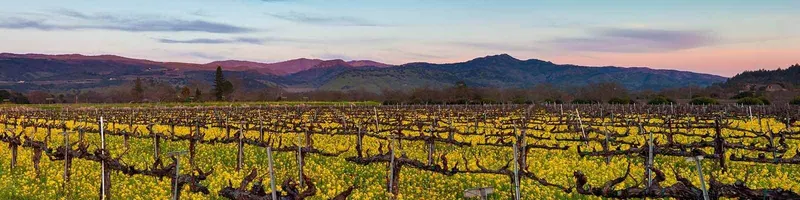
Napa Valley is California's most famous wine region, located north of San Francisco Bay between the Mayacamas and Vaca mountain ranges. The appellation stretches approximately 30 miles from...

Napa Valley is California's most famous wine region, located north of San Francisco Bay between the Mayacamas and Vaca mountain ranges. The appellation stretches approximately 30 miles from San Pablo Bay in the south to Calistoga in the north, encompassing about 45,000 acres of vineyards. Established as an American Viticultural Area in 1981, the valley contains numerous sub-appellations that reflect distinct microclimates and soil compositions along its length.

The region benefits from a Mediterranean climate with warm, dry summers and mild, wet winters. Morning fog from San Pablo Bay provides natural cooling, particularly important for the southern portions of the valley. Soils vary considerably, ranging from volcanic ash and rock in the north to clay and sedimentary deposits in the south. While over 30 grape varieties are grown, Cabernet Sauvignon dominates plantings, followed by Chardonnay, Merlot, and Pinot Noir. The valley also produces notable Sauvignon Blanc and increasingly successful Syrah.

Napa Valley wines are characterized by their power and concentration, particularly the Cabernet Sauvignon-based reds that have established the region's reputation. These wines typically display rich dark fruit flavors, firm tannins, and the ability to age gracefully. Chardonnays from the valley tend to be full-bodied with tropical fruit characteristics, often enhanced by oak aging. The combination of consistent climate, diverse terroir, and meticulous winemaking has produced wines that compete with the world's finest, establishing Napa Valley as America's premier wine region.

Read more