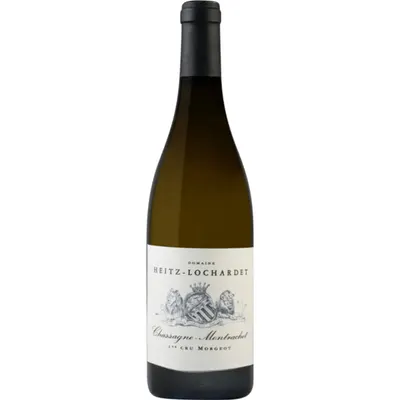
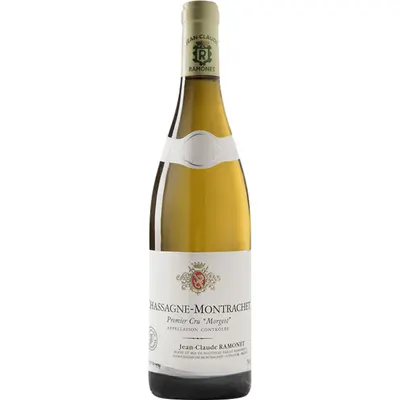
Labruyère-Prieur - Chassagne-Montrachet 1er Cru - Morgeot

Domaine Labruyere Prieur - Chassagne-Montrachet 1er Cru - Morgeot - 2018 - 75cl - Onshore Cellars

Labruyère-Prieur - Chassagne-Montrachet 1er Cru - Morgeot

Vintage
Size
Regular price €96.00
Price on application/
  • In stock
  • Inventory on the way
Tax included. Shipping calculated at checkout.

Tasting Notes

Loading tasting notes…

More information

Provenance
Type
Country
Appellation
Technical
Grapes
ABV
13.5%
Ageing
Aged in oak barrels for 21 months
Serving
8° - 10° C

Behind the bottle

Labruyère Prieur

Labruyère-Prieur

Domaine Labruyère is a well-respected wine producer that owns vineyards in both Burgundy and Beaujolais, France, under the names Domaine Jacques Prieur and Domaine Labruyère, respectively. The history...
Domaine Labruyère is a well-respected wine producer that owns vineyards in both Burgundy and Beaujolais, France, under the names Domaine Jacques Prieur and Domaine Labruyère, respectively. The history of the Labruyère family traces back to 1850, making it one of the oldest winemaking families in the Beaujolais region. The family expanded into Burgundy in 1988 when they acquired Domaine Jacques Prieur, which has vineyards in some of the most prestigious appellations in Burgundy.

**Domaine Jacques Prieur** in Burgundy is renowned for its exceptional holdings in Grand Cru and Premier Cru vineyards, which include plots in Montrachet, Musigny, Corton-Charlemagne, and others. This domain is one of the few in Burgundy to own vineyards across the most celebrated appellations of both Côte de Beaune and Côte de Nuits. The wines produced here are highly sought after for their quality and are known for their depth, complexity, and ability to age gracefully. The winemaking at Domaine Jacques Prieur focuses on expressing the unique characteristics of each terroir, employing meticulous vineyard management and careful vinification processes.

**Domaine Labruyère** in Beaujolais, specifically located in the Moulin-à-Vent appellation, is also highly regarded. The domaine focuses on producing expressive, structured, and age-worthy Gamay wines. This property was the first vineyard the Labruyère family purchased in the 19th century, and it remains a cornerstone of their wine-producing identity. The approach here combines traditional methods with modern techniques to highlight the distinctiveness of their terroirs, resulting in wines that are a pure expression of Gamay.

Both estates reflect the Labruyère family’s commitment to quality and tradition, with a clear focus on terroir-driven wines that are representative of their respective regions. The family’s involvement in both Beaujolais and Burgundy allows them to produce a diverse range of wines, catering to various tastes and preferences while maintaining high standards across their operations.
Labruyère-Prieur
Burgundy - Onshore Cellars

Burgundy

The French Wine region of Burgundy (aka “Bourgogne”) may be small in size, but its influence is huge in the world of vino. The complexity of Burgundy...

The French Wine region of Burgundy (aka “Bourgogne”) may be small in size, but its influence is huge in the world of vino. The complexity of Burgundy can cast fear into the heart of even a seasoned wine pro, but fear not – the region need only be as complicated as you want it to be. Yes, it is home to some of the most expensive wines in the known universe, but there are also tasty and affordable wines.

Main grapes:

Pinot Noir originated in Burgundy and these vines cover 34% of the region, accounting for 29% of overall wine production. The red grape does extremely well in limestone and clay soil, which helps create their complexity. Pinot Noir wines from Burgundy range in colour from cherry to brick, are light in body, and typically have red fruit and spicy flavours. Gamay is a red grape also grown in Burgundy, but only makes up 10% of the vines.

Chardonnay is the primary grape for white wines in Burgundy, making up 48% of the vines and 68% of production. Chardonnay appreciates Burgundy’s marl soil, which gives it delicate floral, fruit, and mineral aromas and full-bodied flavours. Aligoté is the second white grape, accounting for 6% grown. {Read more about the ancient Aligoté grape in Burgundy.}

The region does produce a sparkling wine called Crémant de Bourgogne. It can be made from Chardonnay, Pinot Noir, Pinot Gris, Aligoté, Gamay, Sacy, and Melon. Varieties include blanc, blanc de blancs, blanc de noirs, and rosé.

Explore Burgundy
Chassagne-Montrachet

Chassagne-Montrachet

Chassagne-Montrachet is a village appellation in the Côte de Beaune subregion of Burgundy, France. Located in the southern portion of the Côte de Beaune, the commune shares its...

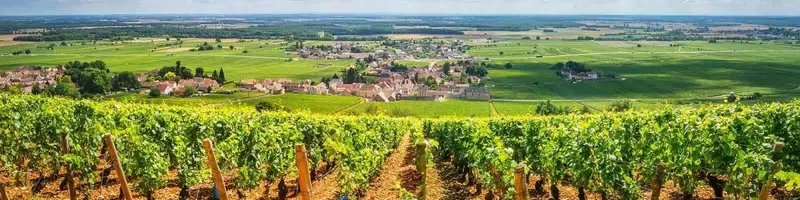
Chassagne-Montrachet is a village appellation in the Côte de Beaune subregion of Burgundy, France. Located in the southern portion of the Côte de Beaune, the commune shares its eastern border with Puligny-Montrachet and sits adjacent to the famous Montrachet vineyard. The appellation was established in 1937 and encompasses both village-level and premier cru vineyards across the commune's slopes and valleys.

The appellation's vineyards are planted on limestone and marl soils typical of the Côte de Beaune, with various exposures and elevations that create distinct microclimates. Chardonnay dominates the plantings and produces the majority of wines, though Pinot Noir is also permitted and cultivated on certain sites. The appellation includes over 50 premier cru climats, each with specific soil compositions and orientations that influence wine character. Traditional Burgundian winemaking methods are employed, with white wines typically fermented and aged in oak barrels.

Chassagne-Montrachet whites display the mineral-driven character associated with Burgundian Chardonnay, often showing citrus and stone fruit flavors with notable chalky minerality. The wines tend to be more structured and austere in youth compared to neighboring Puligny-Montrachet, developing complexity and richness with age. Red wines from the appellation are less common but offer typical Pinot Noir characteristics with earth and red fruit notes, generally lighter in style than those from appellations further north in the Côte de Beaune.

Read more