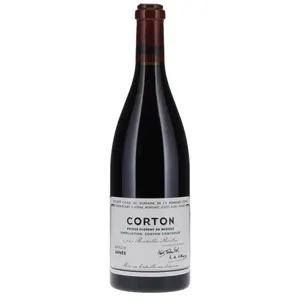
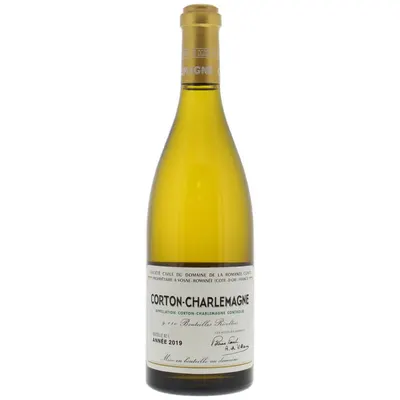
2020 - Domaine de la Romanée-Conti - Corton-Charlemagne - Grand Cru
- 2020
- 75cl
- Chardonnay
Sorry, we can only welcome visitors who are 18 or over.
Oops, I entered incorrectly
Price
€3,810.00 ex. VAT
In stockIn stock
The 2019 Corton Grand Cru has turned out brilliantly in bottle, wafting from the glass with a striking bouquet of dark berries, blood orange, potpourri, exotic spices, cedar and peonies. Full-bodied, layered and velvety, it's deep and concentrated, with lively acids, supple tannins and a penetrating, rose-inflected finish. It's the best Corton that the Domaine de la Romanée-Conti has produced to date.
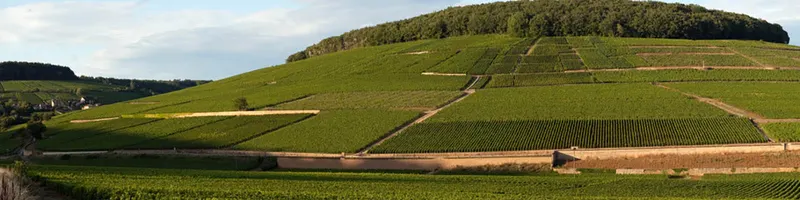
Domaine de la Romanée-Conti's Corton Grand Cru represents one of Burgundy's most prestigious expressions of Pinot Noir. This legendary estate, synonymous with excellence across its tiny vineyard holdings, brings its meticulous winemaking philosophy to this powerful red from the renowned Corton appellation. The chalky, mineral-rich terroir of this grand cru site produces wines of remarkable depth and structure, showcasing the complexity that defines fine Burgundy.
This dry, full-bodied Pinot Noir displays the characteristic elegance and aging potential for which Domaine de la Romanée-Conti is celebrated. Medium acidity and nuanced flavor development make this wine an exceptional choice for discerning collectors and fine dining applications. The wine's structure and intensity pair beautifully with game birds, duck, grilled meats, and rich preparations featuring mushrooms or truffles, while also complementing aged hard cheeses.
Producer
Unusually for Burgundy the wines are matured entirely in new French oak barrels, for between sixteen and twenty months. It is undoubtedly this oak influence that lends them their depth and hugely long-lived ageing potential…
Explore Domaine de la Romanée-ContiRegion
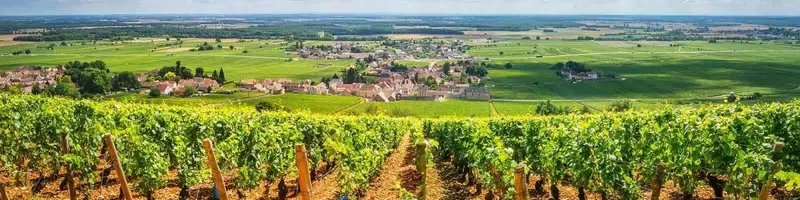
The French Wine region of Burgundy (aka “Bourgogne”) may be small in size, but its influence is huge in the world of vino. The complexity of Burgundy can cast fear into the heart of even a seasoned wine pro, but fear not, the…
Explore BurgundyAppellation
Corton is a Grand Cru appellation located on the Hill of Corton in Burgundy's Côte de Beaune, straddling the communes of Aloxe-Corton, Ladoix-Serrigny, and Pernand-Vergelesses. This appellation represents one of Burgundy's most…
Explore Corton