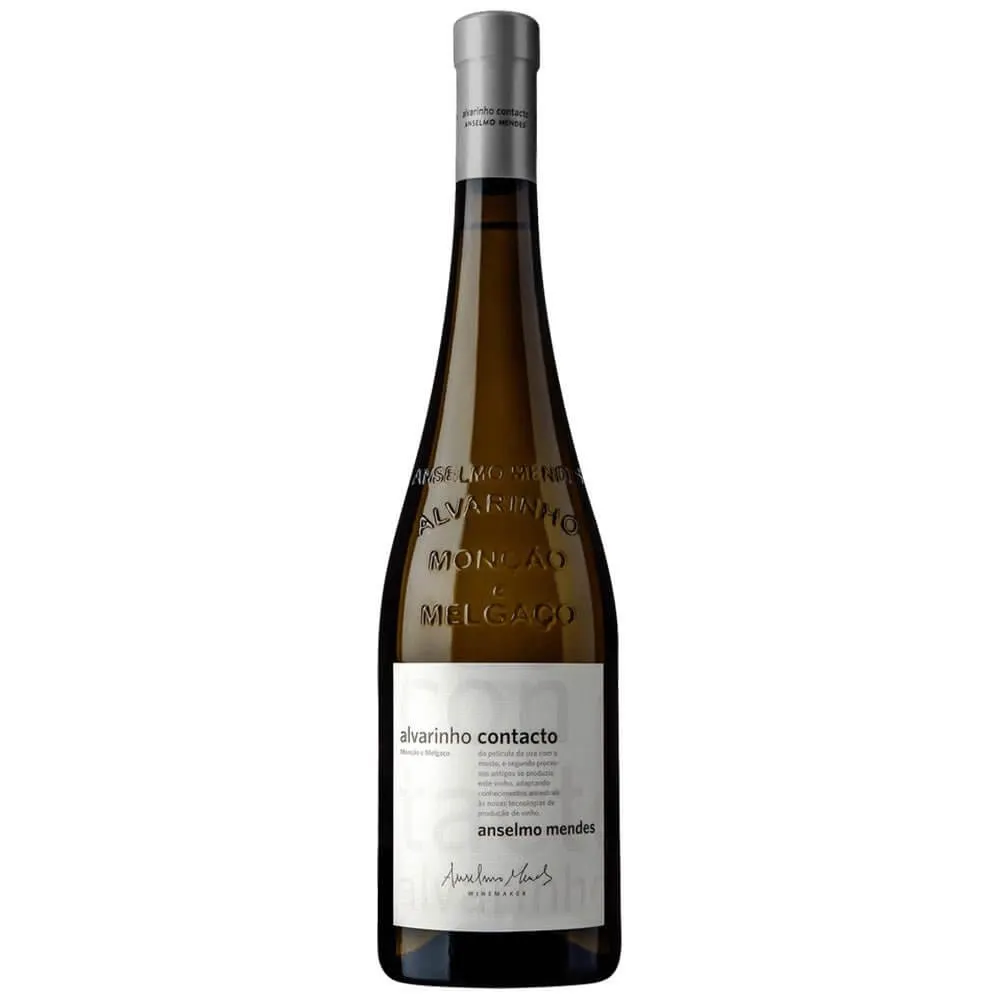
Anselmo Mendes - Contacto Albarino: A Wine That Will Take You on a Journey.
If you're looking for a wine that will transport you to the sun-drenched vineyards of Portugal, then look no further than Anselmo Mendes - Contacto Albarino. This wine is a true reflection of the passion and expertise of its producer, Anselmo Mendes, who has been making wine in the Vinho Verde region of Portugal for over 20 years.
The Albarino grape is the star of this wine, and it is grown in the sub-region of Monção and Melgaço, which is known for producing some of the best Albarino wines in the world. The grapes are handpicked and carefully selected to ensure only the best fruit is used in the winemaking process.
The taste profile of Anselmo Mendes - Contacto Albarino is one of elegance and complexity. On the nose, you'll be greeted with aromas of ripe peach, apricot, and citrus fruits, which are complemented by a subtle hint of minerality. On the palate, the wine is crisp and refreshing, with a perfect balance of acidity and fruitiness. The finish is long and lingering, leaving you with a sense of satisfaction and a desire for more.
Anselmo Mendes - Contacto Albarino is a wine that is perfect for any occasion. Whether you're enjoying a lazy afternoon in the sun, or you're hosting a dinner party with friends, this wine will not disappoint. It pairs perfectly with seafood, salads, and light pasta dishes, making it a versatile wine that can be enjoyed with a variety of foods.
The history of Anselmo Mendes is one that is steeped in tradition and passion. Anselmo Mendes is a winemaker who is dedicated to producing wines that are a true reflection of the terroir and the grape varieties that are grown in the Vinho Verde region. He has a deep understanding of the Albarino grape and has spent years perfecting his winemaking techniques to ensure that his wines are of the highest quality.
Anselmo Mendes - Contacto Albarino is a wine that is best enjoyed in good company. Whether you're sipping it on a warm summer evening with friends, or you're enjoying it with a loved one over a romantic dinner, this wine will take you on a journey to the sun-drenched vineyards of Portugal.