
- Robert Parker-punten (RP) 91
- Vinous-punten
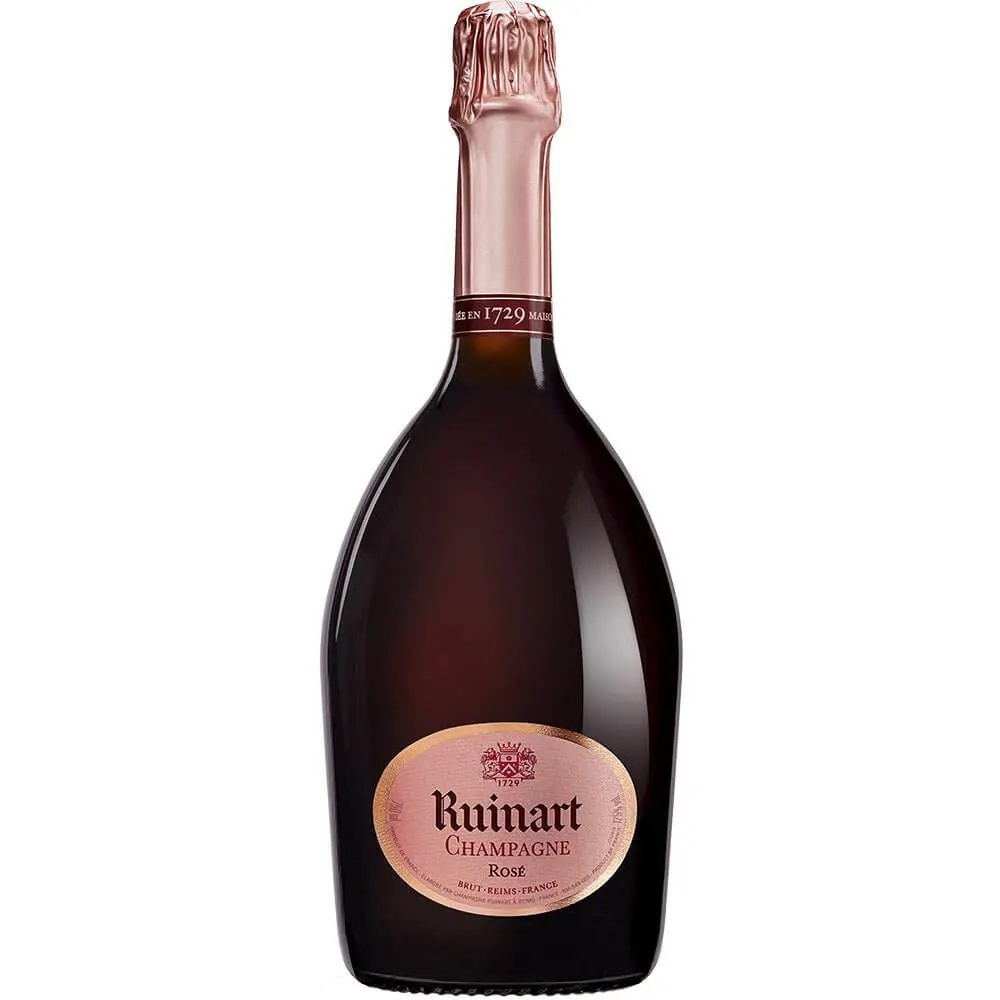
Ruinart - Rosé
Prijs
€105.60 excl. btw
Op voorraadOp voorraad
Proefnotities
Gebaseerd op de oogst 2021 en inclusief 30% reservewijnen, is de meest recente release van Ruinart NV Brut Rosé in maart 2024 gedegorgeerd met een dosage van acht gram per liter. Het onthult aroma's van granaatappel, donkere kers, rode bes en bloedsinaasappel, vermengd met cranberry, brioche en een vleugje rooibos. Op de tong is het middelzwaar en elegant gespierd, wijnig en gelaagd, met levendige zuurgraad en een geparfumeerde, zout-getinte afdronk. Harmonieus in balans, behoort het tot de meest overtuigende in zijn categorie.
Meer informatie
Herkomst
- Type
- Mousserend
- Producent
- Ruinart
- Land
- Frankrijk
- Appellatie
- Champagne
- Regio
- Champagne
- Stijl
- Brut
Technisch
- Jaargang
- NV
- Druiven
- Chardonnay, Pinot Noir
- Alcoholpercentage
- 12.5%
- Formaat
- 75cl
- Rijping
- Serveren
- 8° - 10° C
- Drinkvenster
- 2025 - 2035
Spijscombinaties
Kenmerken
Meer over: Mousserende wijn
Gebaseerd op de 2021-vintage en inclusief 30% reservewijnen, is de meest recente uitgifte van Ruinart's NV Brut Rosé in maart 2024 gedégorgeerd met een dosering van acht gram per liter. Het onthult aromas van granaatappel, zwarte kers, aalbes en bloedsinaasappel, vermengd met cranberry, brioche en een vleugje rooibos. Op het gehemelte is het middelzwaar en elegant gespierd, vineus en gelaagd, met levendige zuurgraad en een geparfumeerde, zout aangetinte afdronk. Harmonisch in balans, behoort het tot de meest boeiende in zijn categorie.
Meer van Ruinart
Alles bekijken
Meer van Champagne
Alles bekijken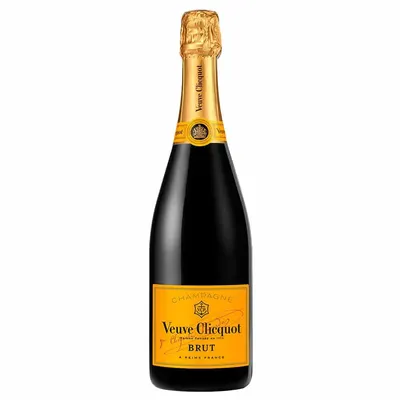
Veuve Clicquot - Ponsardin - Yellow Label - Brut
- NV
- 75cl
- Pinot Meunier, Pinot Noir, Chardonnay
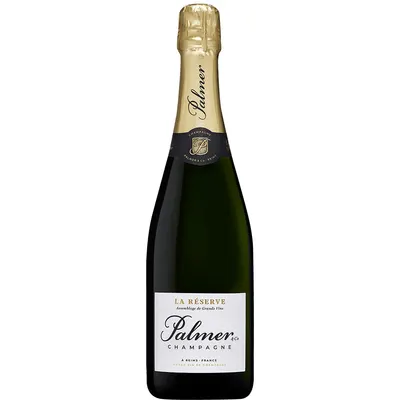
Palmer & Co. Champagne - La Réserve - Brut
- NV
- 75cl
- Chardonnay, Pinot Noir, Pinot Meunier
Achter de fles
Producent
Ruinart
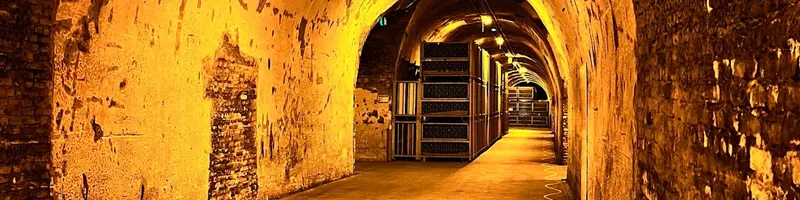
Opgericht door Nicolas Ruinart in Reims in 1729, is Ruinart het oudste Champagnehuis. De gallo-romeinse krijtkelders zijn een UNESCO-werelderfgoedlocatie en om de twee jaar komen de beste sommeliers van Europa hier samen om te…
Ontdek Ruinart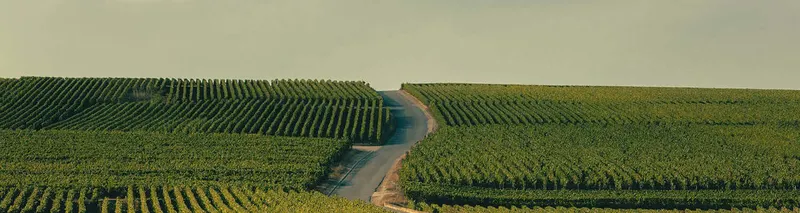
Regio
Champagne
In 1668 zou Dom Pérignon ontdekt hebben hoe mousserende wijn gemaakt moet worden; vandaag de dag wordt zijn techniek over de hele wereld gebruikt, hoewel Champagne nog steeds een aantal van de beste wijnen produceert. Champagne…
Ontdek Champagne