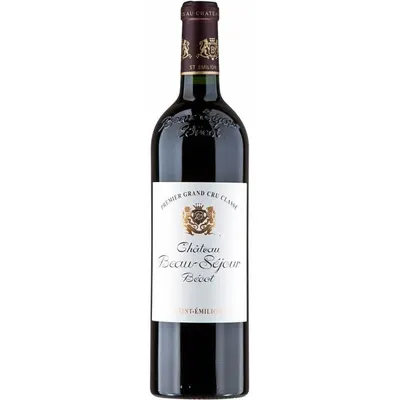
2012 - Château Beau-Séjour Bécot - Saint-Emilion - Grand Cru
- 2012
- 75cl
- Cabernet Franc, Cabernet Sauvignon, Merlot
Helaas kunnen we alleen bezoekers van 18 jaar en ouder verwelkomen.
Oeps, ik heb me vergist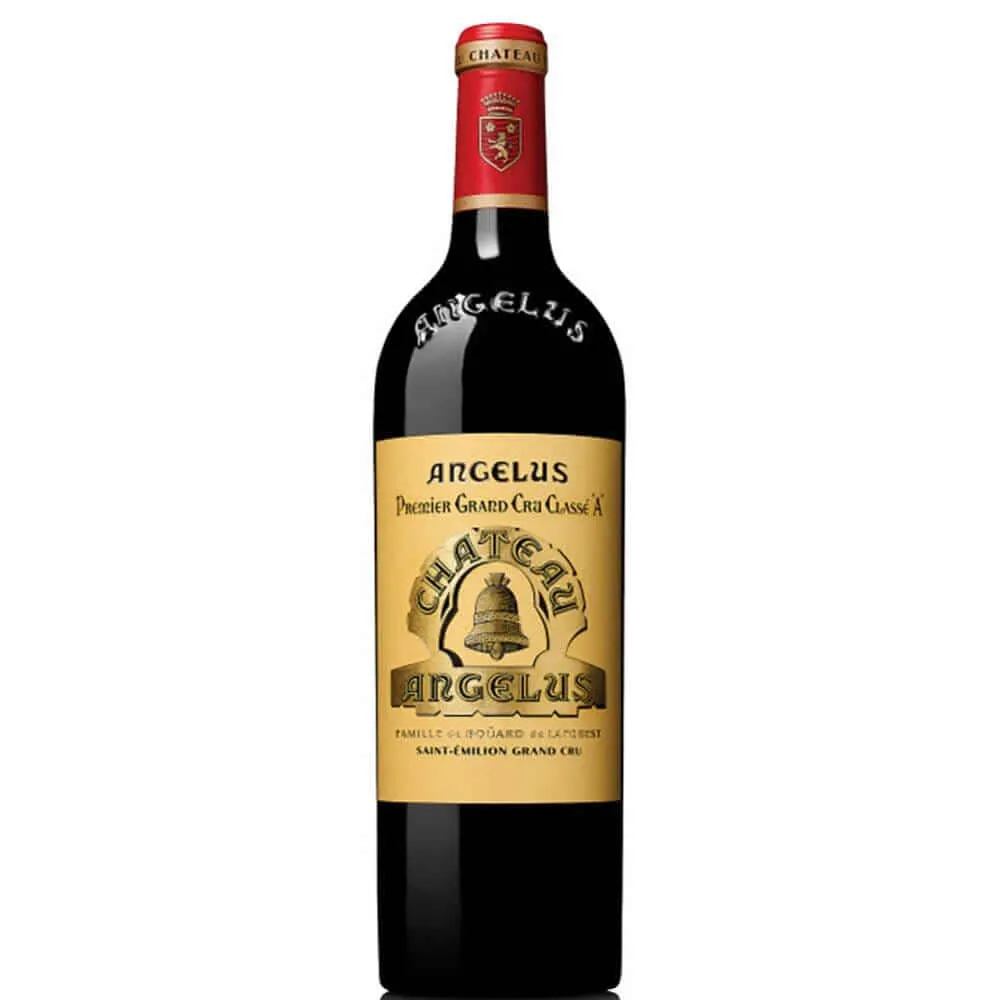
Prijs
€442.86 excl. btw
Op voorraadOp voorraad
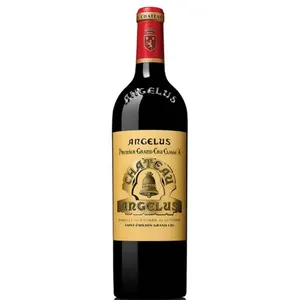
The medium to deep garnet-purple coloured 2017 Angélus wafts slowly, sensuously out of the glass with notes of warm red currants, Black Forest cake, blackberry compote and pencil shavings with nuances of rose oil, black tea, cloves, and cumin seed. The medium-bodied palate is wonderfully elegant and refreshing, sporting very finely grained tannins and layers of red and black fruit preserves, finishing long with mineral fireworks. What a beauty!
Château Angélus is een gerenommeerde wijnproducent in de appellatie Saint-Émilion in Bordeaux, Frankrijk. De geschiedenis van het landgoed gaat terug tot de 18e eeuw, toen het eigendom was van de familie de Boüard de Laforest. De naam "Angélus" zou zijn geïnspireerd door het geluid van de Angelus-klokken die luidden vanuit de nabijgelegen kerk.
De wijngaarden van Château Angélus beslaan ongeveer 39 hectare en zijn beplant met een mix van Merlot-, Cabernet Franc- en Cabernet Sauvignon-druiven. Het landgoed staat bekend om zijn toewijding aan duurzame wijnbouwpraktijken, waaronder het gebruik van groenbemesters en natuurlijke meststoffen.
Het wijnmaakproces bij Château Angélus is een combinatie van traditionele en moderne technieken. De druiven worden met de hand geoogst en gesorteerd voordat ze worden gefermenteerd in temperatuurgecontroleerde roestvrijstalen tanks. De wijn rijpt vervolgens in eikenhouten vaten, met elk jaar een deel nieuw eikenhout, tot wel 18 maanden.
De resulterende wijn is een rijke en complexe mix van donkere fruitsmaken, met tonen van kruiden, tabak en aarde. Château Angélus staat bekend om het produceren van wijnen die zowel krachtig als elegant zijn, met een lange rijpingspotentie.
Naast de vlaggenschipwijn produceert Château Angélus ook een tweede wijn genaamd Carillon d'Angélus. Deze wijn is gemaakt van jongere wijnstokken en rijpt korter, wat resulteert in een toegankelijkere en betaalbare wijn.
Over het algemeen is Château Angélus een producent die hoog aangeschreven staat in de wereld van wijn. De toewijding aan kwaliteit en duurzaamheid, gecombineerd met de rijke geschiedenis en traditionele wijnmaaktechnieken, maken het een topkeuze voor wijnliefhebbers over de hele wereld.
Producent
Château Angélus is a wine estate located in Saint-Émilion on Bordeaux's Right Bank. The property produces red wines from this prestigious appellation, which was elevated to Premier Grand Cru Classé A status in the Saint-Émilion…
Ontdek Château AngélusRegio
Bordeaux, in het zuidwesten van Frankrijk, behoeft weinig introductie als een van 's werelds beroemdste, meest prestigieuze en meest productieve wijnregio's. De meerderheid van de Bordeauxwijnen (bijna 90 procent van het…
Ontdek BordeauxAppellatie
Saint-Émilion is one of Bordeaux's most historic wine appellations, located on the Right Bank of the Dordogne River approximately 40 kilometers east of Bordeaux city. The appellation encompasses the medieval town of…
Ontdek Sint-Émilion