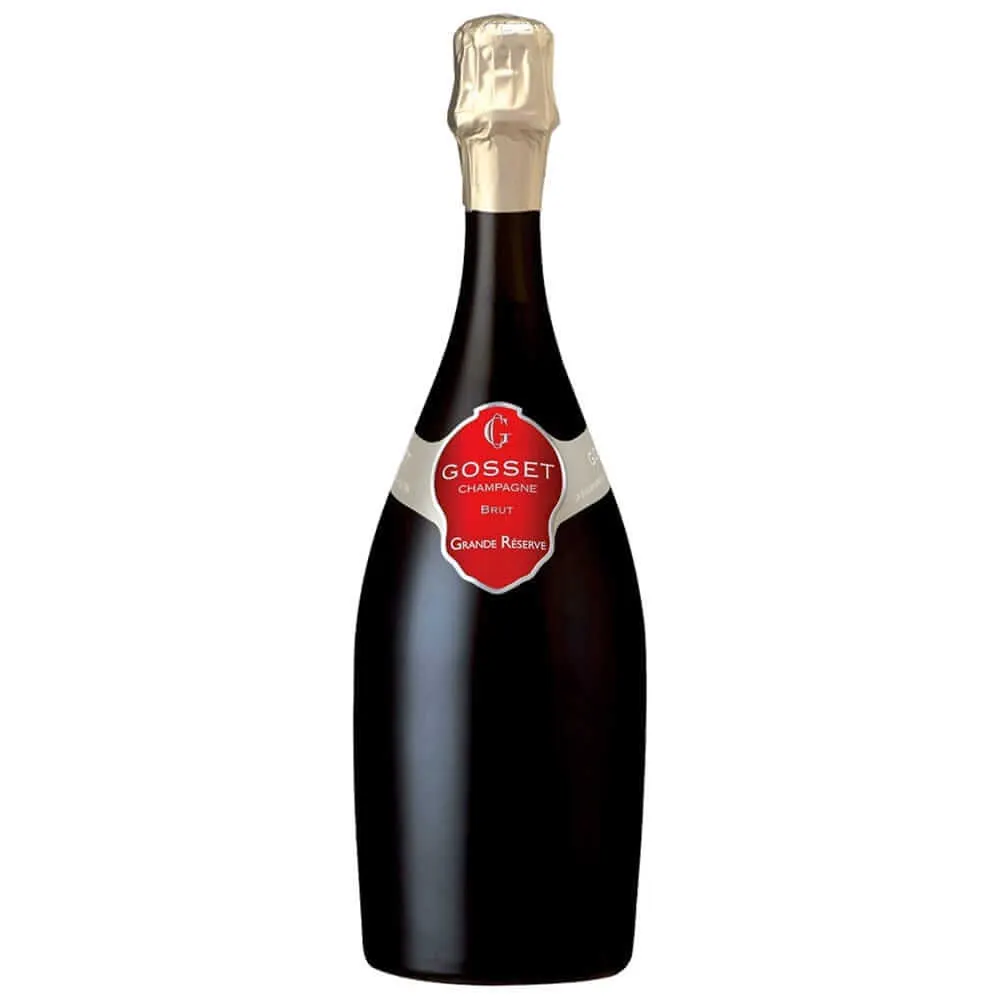
Gosset - Grande Réserve - Brut

92 RP Points
Gosset - Grande Réserve - Brut - NV - 75cl - Onshore Cellars

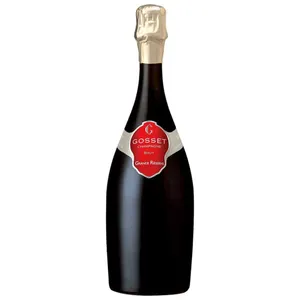
Gosset - Grande Réserve - Brut

Vintage
Misurare
Prezzo di listino €46.36
Price on application/
  • In magazzino, pronto per la spedizione
  • Inventario in arrivo
Imposte incluse. Spedizione calcolata alla cassa.

Tasting Notes

Loading tasting notes…

Loading tasting notes…

Più informazioni

Provenance
Type
Country
Appellation
Producer
Style
Brut
Technical
ABV
12%
Serving
8° - 10° C
Food Pairings
ShellfishCrabLobsterCharcuterie and Cured MeatsNuts and SeedsTapas and Small Plates
Key Characteristics
Full-bodiedGreen fruitStone fruitFreshStructuredMedium alcohol

La Storia della Bottiglia

Gosset

Gosset

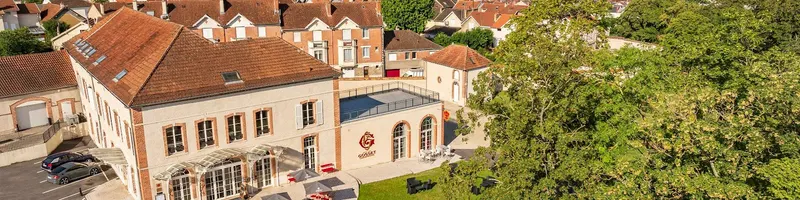
Gosset is one of Champagne's oldest houses, established in Aÿ in 1584 by Pierre Gosset. The house remained family-owned for over four centuries before being acquired by the...

Gosset is one of Champagne's oldest houses, established in Aÿ in 1584 by Pierre Gosset. The house remained family-owned for over four centuries before being acquired by the Renaud-Cointreau family in 1994. Based in the historic village of Aÿ in the Vallée de la Marne, Gosset produces traditional method sparkling wines exclusively within the Champagne appellation.

The house is known for its traditional winemaking approach, including the use of reserve wines aged in large oak foudres rather than stainless steel tanks. Gosset typically ferments their wines at lower temperatures and avoids malolactic fermentation for most cuvées, which helps preserve freshness and acidity. Their wines often display a more austere, mineral-driven style compared to many contemporary Champagne houses, with extended lees aging contributing to complexity and texture.

Gosset's current range includes their Grande Réserve Brut, a non-vintage cuvée that represents their house style through a blend of traditional Champagne grape varieties. This foundational wine demonstrates the house's commitment to consistency and their particular interpretation of the classic Champagne blend.

Gosset
Our collection of Champagne - Find this at Onshore Cellars your yacht wine supplier

Champagne

Nel 1668, Dom Pérignon avrebbe scoperto come fare il vino spumante; oggi la sua tecnica è utilizzata in tutto il mondo, sebbene la Champagne continui a produrre alcuni...

Nel 1668, Dom Pérignon avrebbe scoperto come fare il vino spumante; oggi la sua tecnica è utilizzata in tutto il mondo, sebbene la Champagne continui a produrre alcuni dei migliori. La regione vinicola più settentrionale della Francia, la Champagne è ora sede di 15.000 coltivatori e 290 'case'. Solitamente è richiesta una miscela di varietà di uve: il bianco Chardonnay per aggiungere frutto ed eleganza, e due rossi – Pinot Noir e Pinot Meunier – per fornire corpo e struttura.

Esplora Champagne
Champagne

Champagne

Champagne is a region in northeastern France, approximately 140 kilometers northeast of Paris, defined by strict geographic boundaries established under French appellation law. The region's cool continental climate...

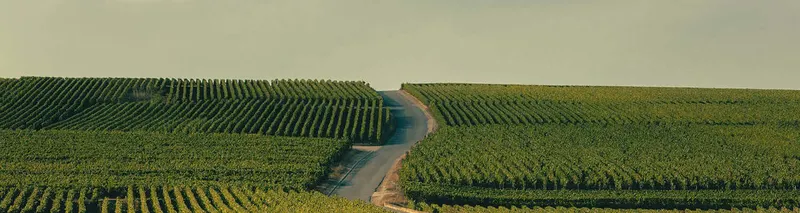
Champagne is a region in northeastern France, approximately 140 kilometers northeast of Paris, defined by strict geographic boundaries established under French appellation law. The region's cool continental climate and chalky soils create conditions uniquely suited to sparkling wine production. The designation "Champagne" is legally protected and applies only to wines produced within these delimited boundaries using prescribed methods.

The region's chalky subsoil—composed largely of Cretaceous limestone—drains rapidly and reflects heat, helping to ripen grapes despite the cool climate. Three grape varieties dominate: Chardonnay, Pinot Noir, and Pinot Meunier, often blended together though Blanc de Blancs wines use Chardonnay exclusively. Champagne's signature method involves a secondary fermentation in bottle (méthode champenoise), where yeast and sugar create carbonation and develop complex flavors over time. Extended aging on the lees further develops texture and aromas. Producers classify vineyards into Premier and Grand Cru designations based on historical quality assessments, and finished wines are labeled by dosage level—ranging from Extra Brut (bone dry) through Brut, Sec, and Demi Sec (progressively sweeter).

Champagne wines are characterized by high acidity, fine bubbles, and layered complexity. Typical flavor profiles include green apple, citrus, and chalk minerality in younger or lighter expressions, evolving toward brioche, toast, and honey notes with bottle age. The interaction between the wine's acidity, the persistent effervescence, and the autolytic characters from yeast aging creates distinctive textural finesse that distinguishes Champagne from other sparkling wines produced elsewhere.

Leggi di più