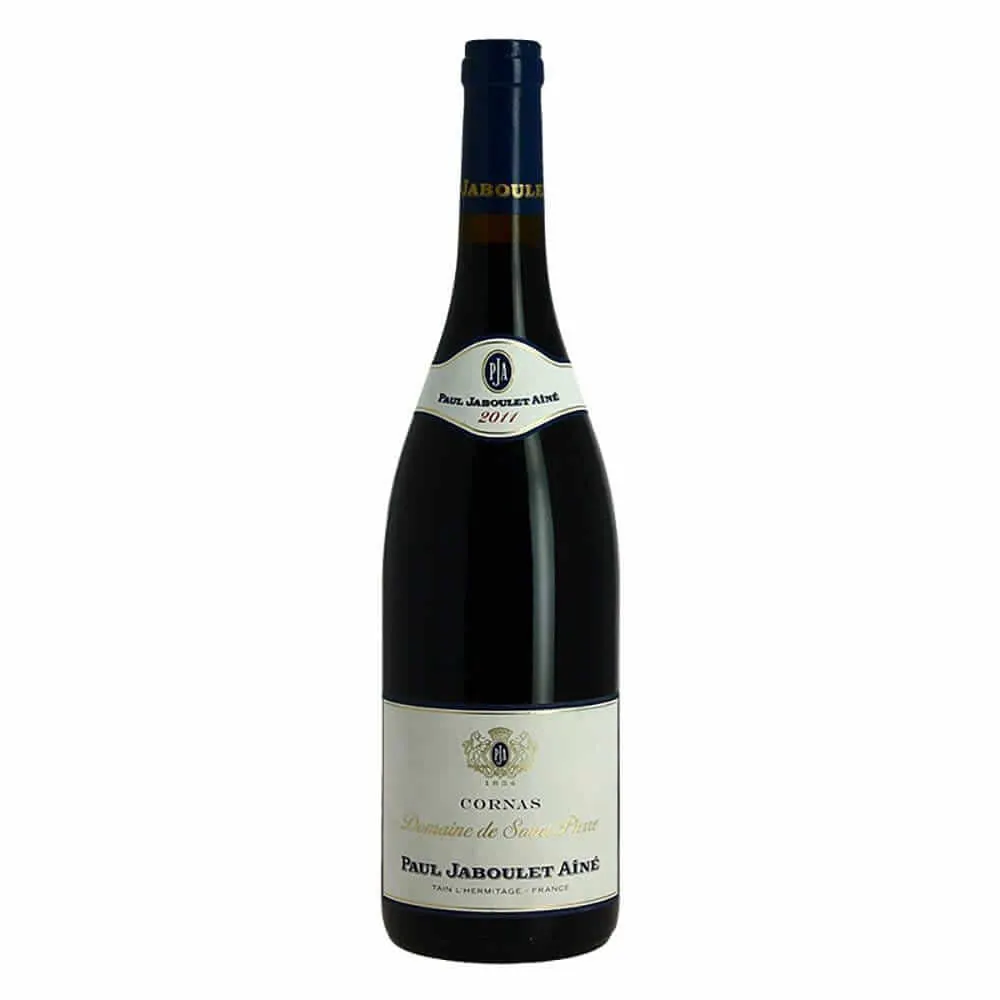
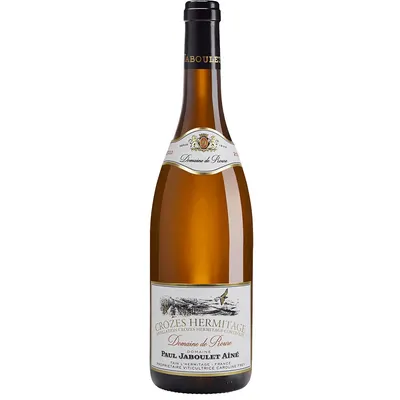
Paul Jaboulet Aîné - Domaine de Saint Pierre - Cornas

92 RP Points
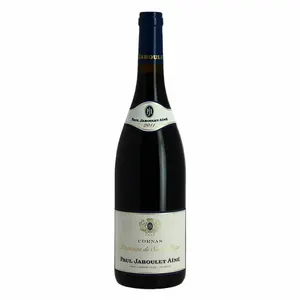
Paul Jaboulet Aîné - Domaine de Saint Pierre - Cornas - 2019 - 75cl - Onshore Cellars

Paul Jaboulet Aîné - Domaine de Saint Pierre - Cornas

Vintage
Size
Prezzo di listino €75.60
Price on application/
  • In magazzino, pronto per la spedizione
  • Inventario in arrivo
Imposte incluse. Spedizione calcolata alla cassa.

Tasting Notes

Loading tasting notes…

Più informazioni

Provenance
Type
Red
Country
Appellation
Technical
Grapes
ABV
13%
Serving
16° - 18° C
Food Pairings
Game BirdsLambBeefVenisonMushroomsCharcuterie and Cured Meats
Key Characteristics
Full-bodiedSilkyStonyLong finishConcentratedMedium alcohol

La Storia della Bottiglia

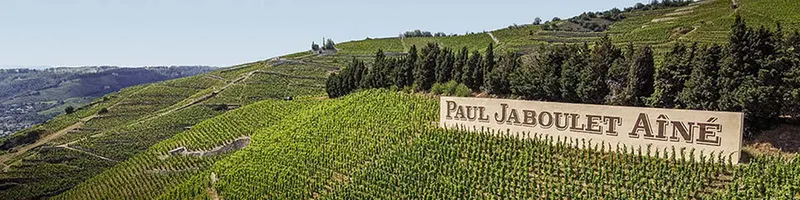
Maison Paul Jaboulet Aine

Maison Paul Jaboulet-Aîné

Maison Paul Jaboulet-Aîné is a renowned wine producer located in the Rhône Valley region of France. The history of this winery dates back to the early 19th century...

Maison Paul Jaboulet-Aîné is a renowned wine producer located in the Rhône Valley region of France. The history of this winery dates back to the early 19th century when it was founded by Antoine Jaboulet. The winery has been passed down through generations and is now run by Caroline Frey, who has brought a modern touch to the traditional winemaking techniques.

The winery is known for producing high-quality wines that reflect the terroir of the region. The vineyards are located on the steep slopes of the Rhône Valley, which provides the perfect conditions for growing grapes. The winery produces a range of wines, including red, white, and rosé wines.

The red wines produced by Maison Paul Jaboulet-Aîné are made from the Syrah grape variety, which is the dominant grape in the region. The wines are full-bodied and have a deep, rich flavour with notes of black fruit, spice, and pepper. The most famous red wine produced by the winery is the Hermitage La Chapelle, which is considered one of the best wines in the world.

The white wines produced by Maison Paul Jaboulet-Aîné are made from the Marsanne and Roussanne grape varieties. The wines are full-bodied with a rich, creamy texture and have notes of honey, apricot, and almond. The most famous white wine produced by the winery is the Hermitage Blanc, which is a blend of Marsanne and Roussanne grapes.

The rosé wines produced by Maison Paul Jaboulet-Aîné are made from the Grenache grape variety. The wines are light and refreshing with notes of red fruit and citrus. The most famous rosé wine produced by the winery is the Parallèle 45, which is a blend of Grenache and Cinsault grapes.

Maison Paul Jaboulet-Aîné is committed to sustainable winemaking practices and has implemented a number of initiatives to reduce their environmental impact. The winery has also been awarded several certifications for their sustainable practices.

Overall, Maison Paul Jaboulet-Aîné is a world-renowned winery that produces high-quality wines that reflect the terroir of the Rhône Valley region. The winery's commitment to sustainable winemaking practices and their use of traditional winemaking techniques has made them a favourite among wine enthusiasts around the world.

Maison Paul Jaboulet-Aîné
Our collection of Rhone - Find this at Onshore Cellars your yacht wine supplier

Rhone

Il vino è stato prodotto nella Valle del Rodano per oltre 500 anni, con alcuni dei suoi vigneti tra i più antichi della Francia. Lo Syrah domina il...
Il vino è stato prodotto nella Valle del Rodano per oltre 500 anni, con alcuni dei suoi vigneti tra i più antichi della Francia. Lo Syrah domina il sud con un mix di uve mediterranee, mentre al nord, le due stelle sono l'Hermitage – coltivato su un imponente versante granitico sopra la città di Tain e da conservare in fondo alla cantina per un decennio – e Côte-Rôtie, un'appellation stella resa famosa dai vini di singoli vigneti di Guigal, ma anche sede di dozzine di produttori di qualità ancora meno conosciuti. I pendii scoscesi che si affacciano sul fiume devono essere terrazzati per rendere possibile la produzione. St Joseph e Cornas forniscono anche vini corposi e di valore, ma la migliore fonte per un buon rapporto qualità-prezzo è Crozes-Hermitage, un'appellation satellite che si è rinvigorita negli ultimi anni con l'arrivo di nuove leve. La valle fluviale si allarga a sud di Valenza nella zona di Côtes du Rhône sulle pianure alluvionali ventose e sui pendii inferiori delle colline. È uno spettacolo particolarmente suggestivo durante i cieli freddi, chiari e blu delle condizioni di Mistral. I migliori villaggi vinicoli di Côtes du Rhône sono stati promossi alle loro stesse appellazioni - Vinsobres, Vacqueyras - paragonabili in qualità al più noto Gigondas. Il re del Rodano meridionale è Châteauneuf-du-Pape. Qui i galets roulés, massi arrotondati dal letto del fiume antico, forniscono il contesto per vini rossi gloriosamente ricchi che sanno di calore ed erbe del sud, e arricchiti dalla complessità che deriva dalla miscela di più varietà di uve. Tredici sono consentite in totale, ma la Grenache di solito domina, insieme a Syrah e Mourvèdre a supporto. Una buona annata richiede otto-dieci anni di invecchiamento in cantina per ottenere i migliori risultati. Se il tuo gusto preferisce vini bianchi più corposi, ricchi e relativamente esotici, allora forse un Hermitage bianco o un Châteauneuf-du-Pape bianco della Valle del Rodano sarebbero più adatti, oppure un meravigliosamente profumato, inebriante Condrieu - quartier generale dell'uva Viognier.
Esplora Rhone
Cornas

Cornas

Cornas is a small wine appellation located in the northern Rhône region of France. The name "Cornas" is derived from the Celtic word for "burnt earth," which is...

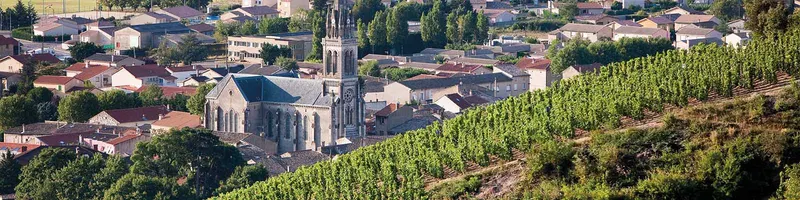
Cornas is a small wine appellation located in the northern Rhône region of France. The name "Cornas" is derived from the Celtic word for "burnt earth," which is a reference to the steep, rocky slopes that characterize the vineyards in this area. The appellation covers just over 100 hectares of land, and is known for producing some of the most powerful and complex red wines in the Rhône Valley.

The style of production in Cornas is heavily influenced by the unique terroir of the region. The vineyards are situated on steep slopes that face south or southeast, which allows the grapes to receive maximum exposure to the sun. The soil in Cornas is composed of decomposed granite, which is rich in minerals and provides excellent drainage for the vines. The combination of these factors results in wines that are full-bodied, rich, and complex, with intense aromas and flavors.

The primary grape variety grown in Cornas is Syrah, which is known for its deep color, intense aromas, and full-bodied flavor. The Syrah grapes grown in Cornas are typically smaller and more concentrated than those grown in other regions, which contributes to the intensity and complexity of the wines. In addition to Syrah, some producers in Cornas also grow small amounts of white grapes, such as Marsanne and Roussanne, which are used to produce a small amount of white wine.

The typical wines produced in Cornas are full-bodied, rich, and complex, with intense aromas of black fruit, spice, and earth. The tannins in these wines are firm and well-structured, which allows them to age gracefully for many years. The best examples of Cornas can be quite expensive, but they are considered to be some of the finest wines in the Rhône Valley.

The history of winemaking in Cornas dates back to the Roman era, when the region was known for producing high-quality wines. However, it wasn't until the 19th century that Cornas began to gain recognition as a distinct wine appellation. In the early 20th century, the vineyards in Cornas were devastated by phylloxera, a disease that nearly wiped out the entire wine industry in France. However, the vineyards were eventually replanted, and today Cornas is once again recognized as one of the premier wine appellations in the Rhône Valley.

In conclusion, Cornas is a unique and distinctive wine appellation that produces some of the most powerful and complex red wines in the Rhône Valley. The combination of steep slopes, decomposed granite soil, and maximum sun exposure results in wines that are full-bodied, rich, and complex, with intense aromas and flavors. The primary grape variety grown in Cornas is Syrah, which is known for its deep color, intense aromas, and full-bodied flavor. The typical wines produced in Cornas are full-bodied, rich, and complex, with intense aromas of black fruit, spice, and earth. The history of winemaking in Cornas dates back to the Roman era, and today the region is recognized as one of the premier wine appellations in the Rhône Valley.

Leggi di più