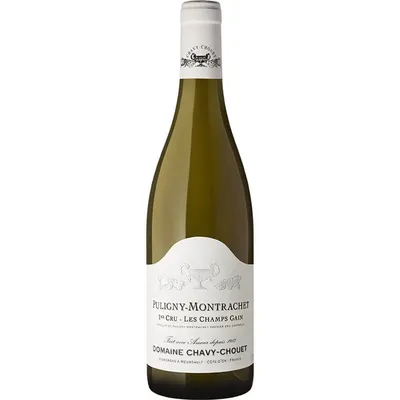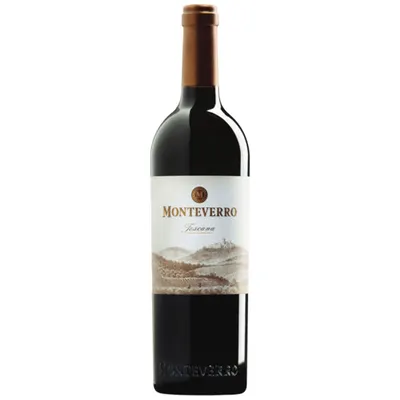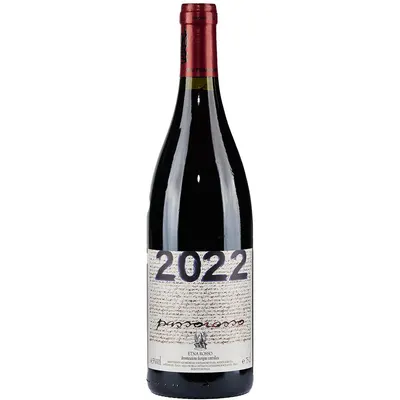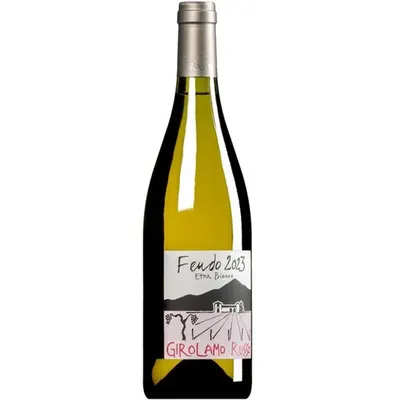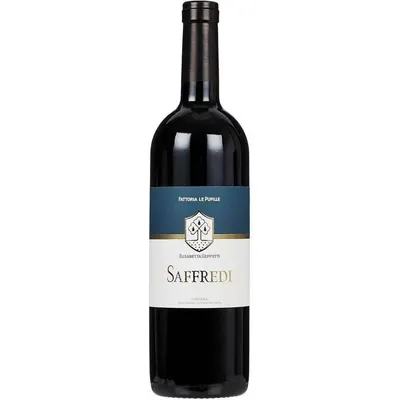
2017 - Fattoria Le Pupille Maremma - Toscana Saffredi
- 2017
- 75cl
- Cabernet Sauvignon, Merlot
Sorry, we can only welcome visitors who are 18 or over.
Oops, I entered incorrectly
Old World wine refers to wines produced in Europe's traditional winemaking regions, principally France, Italy, Spain, and Portugal, alongside established producers in Austria, Germany, Greece, and Hungary. These wines are defined not by age but by the philosophy and regulations governing their production: they prioritize terroir, the influence of soil, climate, and geography, over fruit expression, and typically employ classical grape varieties and production methods refined over centuries. The term encompasses everything from still wines to sparkling varieties, fortified wines, and spirits, each bound by appellation systems that specify which grapes may be used, how they must be grown, and production techniques that must be followed.
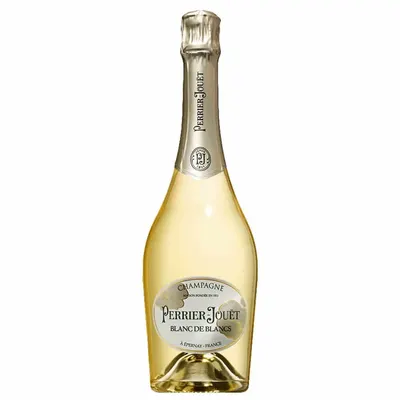
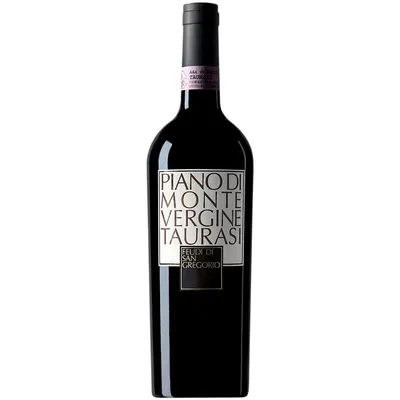
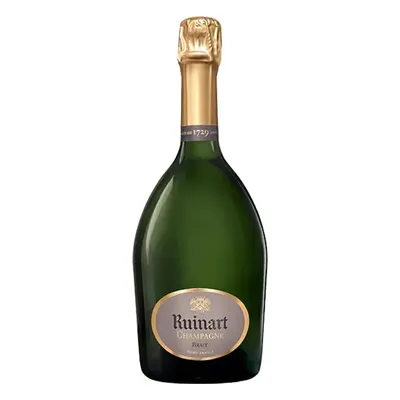
The structure of Old World wine is fundamentally tied to geography. France's Burgundy and Bordeaux regions established benchmarks for Pinot Noir and Cabernet Sauvignon respectively; Champagne's chalky soils and cool climate became inseparable from sparkling wine production. Italy's Piedmont produces age-worthy Nebbiolo wines, while Tuscany's Sangiovese forms the basis of Chianti and Brunello. Spain and Portugal contribute both everyday wines and complex fortified styles like Sherry and Port. Within these regions, nested systems of classification, from village-level wines to Premier and Grand Cru designations, communicate quality and specific character based on location rather than producer marketing.
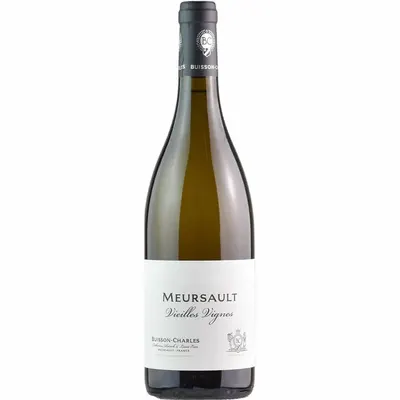
Stylistically, Old World wines typically display restraint and complexity: lower alcohol levels, higher acidity, and mineral or earthy character are prized over immediate fruit appeal. A Burgundian Chardonnay emphasizes the limestone minerality of Chablis or the richness of Meursault, while a Loire Sauvignon Blanc reflects its herbaceous terroir. Even sparkling wines and fortified categories like Cognac and Armagnac follow strict production codes, think the chalk-influenced crispness of Champagne or the oak-aging requirements of Cognac's various age classifications. This regional specificity means that understanding the provenance of an Old World wine is essential to understanding its character.