
- Puntos Robert Parker (RP) 91
- Puntos Vinous
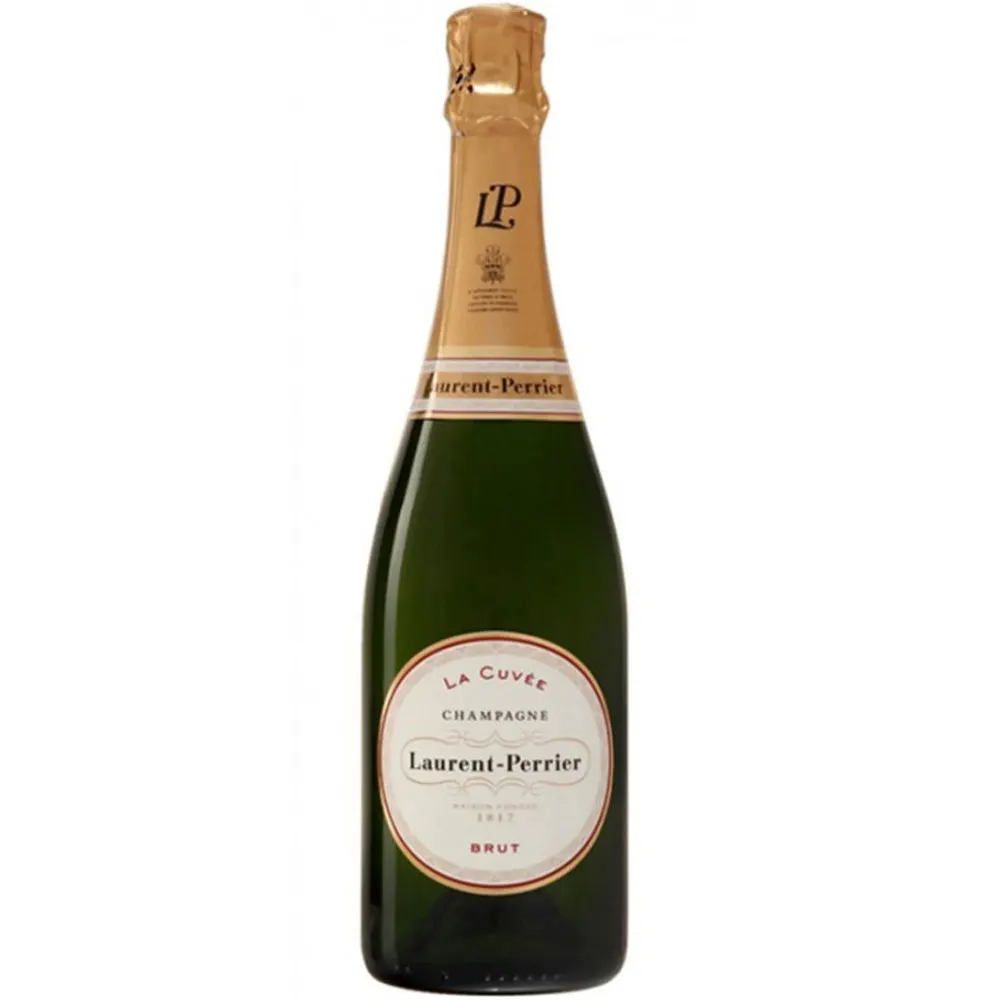
Laurent-Perrier - Cuvée - Brut - Kosher
Añada
NV
Tamaño
75 cl
Precio
€104.40 sin IVA
En stockEn stock
- Kosher
Notas de cata
La última versión del Brut sin vintage de Laurent-Perrier luce bien, exhalando del vaso aromas de pasta de almendra, yodo, melocotón blanco, bizcochos cálidos y mandarina. En boca, el vino es de cuerpo medio a completo, con un perfil elegante y vivo, mostrando una espuma joven y espumosa, buena tensión en el núcleo y un final atractivamente calcáreo. Este es un excelente vino sin vintage que parece reflejar los esfuerzos de la maison por mejorar el abastecimiento de uva en los últimos años.
Más información
Procedencia
- Tipo
- Espumoso
- Productor
- Laurent-Perrier
- País
- Francia
- Denominación
- Champagne
- Región
- Champagne
- Estilo
- Bruto
Técnico
- Añada
- NV
- Uvas
- Chardonnay, Pinot Noir
- Graduación alcohólica
- 12.4%
- Tamaño
- 75cl
- Crianza
- Ventana de consumo
Maridajes
Características
Acerca de: Vino espumoso
La Cuvée Brut de Laurent-Perrier es una de las expresiones más celebradas de Champagne, que encarna el compromiso de la casa con la elegancia y la consistencia. Elaborado a partir de un cuidadosamente seleccionado blend de Champagne, este vino espumoso muestra la complejidad característica de la región, fusionando notas de cítricos y frutas de hueso con una mineralidad refinada y cretácea que define los mejores Champagnes.
Fundada en 1875, Laurent-Perrier se ha establecido como productor de referencia gracias a la elaboración meticulosa y el riguroso control de calidad. La Cuvée representa el estilo de la casa: un vino espumoso vivo, de cuerpo completo, con sutiles notas de frutos secos y un equilibrio impresionante. Su versatilidad lo hace igualmente apropiado como aperitivo o acompañado de una cocina refinada.
Este Champagne certificado Kosher marida beautifully con mariscos, cangrejo y langosta, mientras que su acidez crispante complementa pollo, sushi y tapas. Una opción sofisticada tanto para celebraciones como para alta cocina, ofrece el prestigio y la elegancia esperados de una casa Champagne de grande marque.
Más de Laurent-Perrier
Ver todo
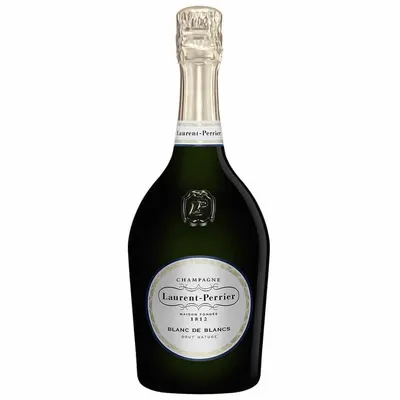
Más de Champagne
Ver todo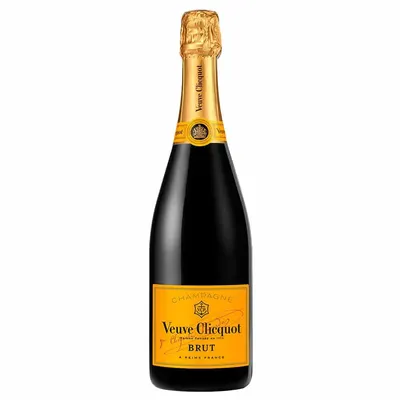
Veuve Clicquot - Ponsardin - Yellow Label - Brut
- NV
- 75cl
- Pinot Meunier, Pinot Noir, Chardonnay
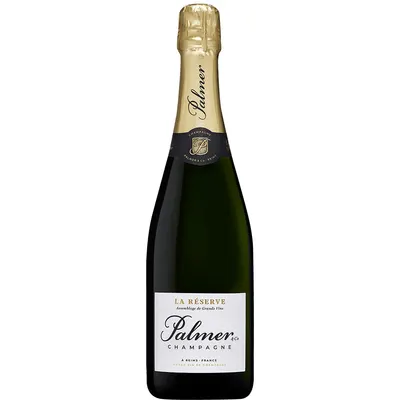
Palmer & Co. Champagne - La Réserve - Brut
- NV
- 75cl
- Chardonnay, Pinot Noir, Pinot Meunier
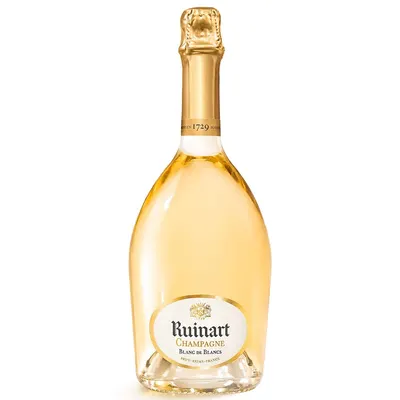
Detrás de la botella
Productor
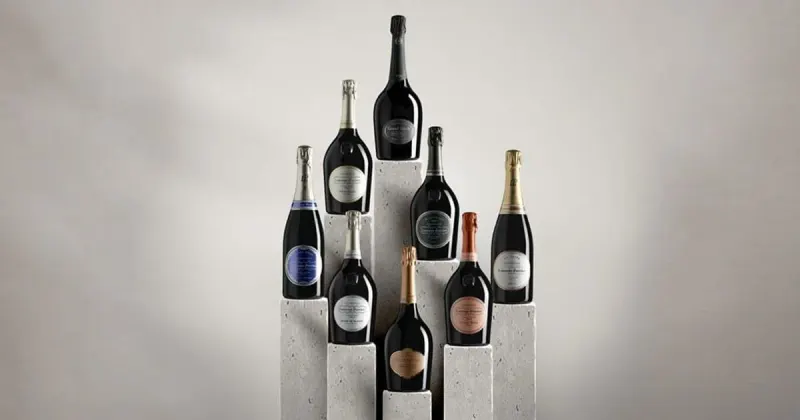
Laurent-Perrier
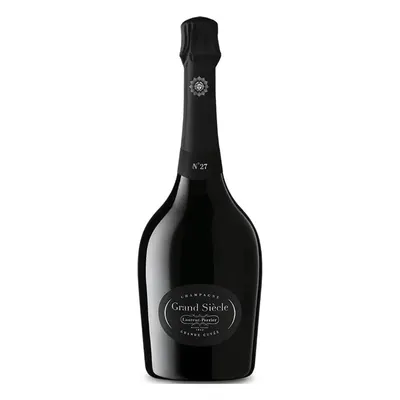
Laurent Perrier fue establecida en 1812 por la familia Laurent. Generalmente una mezcla de tres añadas, aunque en años excepcionales se lanza como un vino de cosecha, Grand Siècle es el buque insignia de la Casa Laurent Perrier…
Descubrir Laurent-Perrier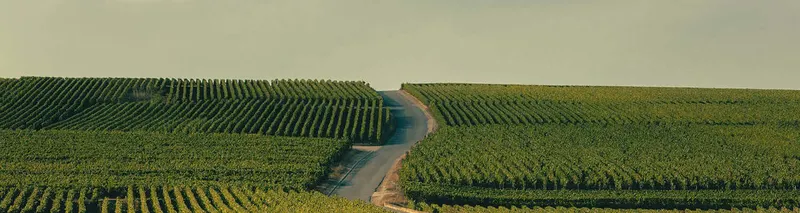
Región
Champagne
En 1668, se dice que Dom Pérignon descubrió cómo hacer vino espumoso; hoy en día su técnica se utiliza en todo el mundo, aunque Champagne continúa produciendo algunos de los mejores. La región vinícola más septentrional de…
Descubrir Champagne