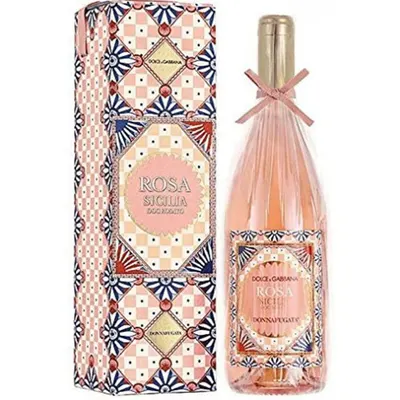
2025 - Donnafugata - Rosa Edizione Dolce & Gabbana - Rosato Sicilia DOC
- 2025
- 75cl
- Nerello Mascalese
Lo sentimos, solo podemos recibir a visitantes mayores de 18 años.
Vaya, me equivoquéPrecio
€60.00 Agotado
Agotado
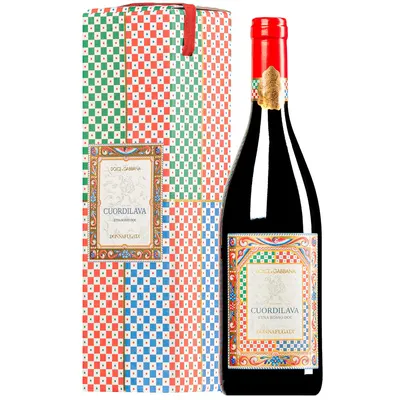
Consultar disponibilidadThe four wines resulting from the collaboration between Dolce & Gabbana and Donnafugata show attention to detail and unconditional love for Sicily. They are the perfect expression of two top companies "Made in Italy". They represent the aesthetic fusion of craftsmanship, creativity and Sicilian passion. Together, they have created a unique collection of wines and packaging that emotionally capture Sicilian culture and lifestyle and express a clear commitment to the beauty and tradition of Sicily. Straw yellow in colour with golden reflections. Refined aromas of citrus fruit and lemon zest, rounded off by fruity hints of yellow apple and Mediterranean herbs. Very soft on the palate with a fascinating elegance, a fine volcanic minerality becomes apparent as the wine progresses. Great ageing potential!
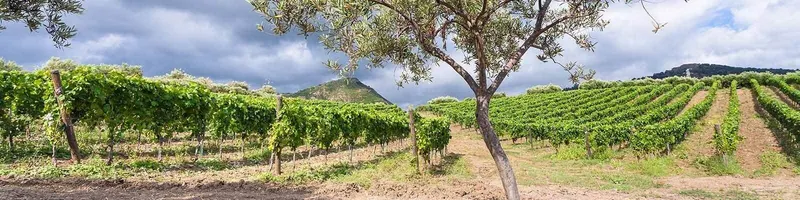
El Isolano de Donnafugata representa una expresión distintiva del terruño volcánico de Sicilia, elaborado a partir de la uva autóctona Carricante cultivada en las laderas del Monte Etna. Este vino blanco exhibe el carácter mineral que define los vinos de Etna DOC, con elegantes notas de cítricos y frutas tropicales equilibradas por una complejidad herbácea. La variedad Carricante prospera en los desafiantes suelos volcánicos de Etna, produciendo blancos refinados y con potencial de envejecimiento, con una frescura y estructura notables.
Con un 12% ABV, este es un vino notablemente versátil para la alta cocina y el entretenimiento sofisticado. Su estructura mineral y perfil redondeado lo hacen un maridaje excepcional con mariscos, cangrejo y langosta, mientras que el carácter cítrico del vino complementa preparaciones de pescado ligero y sushi. También combina hermosamente con platos de aves, queso de cabra cremoso e incluso cocina basada en trufa, lo que lo convierte en una adición esencial para cualquier bodega bien seleccionada.
Región
Sicilia es la isla más grande del mar Mediterráneo y la región vinícola más meridional de Italia, separada del continente por el estrecho de Messina. La isla ha experimentado una transformación notable durante las últimas tres…
Descubrir SiciliaDenominación
Etna DOC se encuentra en las laderas del Monte Etna en Sicilia, Italia. La denominación fue establecida oficialmente como Denominazione di Origine Controllata en 1968, lo que la convierte en una de las designaciones protegidas…
Descubrir Etna DOC