
- Puntos Robert Parker (RP)
- Puntos Vinous
Château Roubine - Cuvée R de Roubine - Rosé - Kosher
Precio
€31.20 Agotado
- Kosher
Agotado
Consultar disponibilidadNotas de cata
Ligero a medio cuerpo, completamente seco y vibrante, con sabores de cerezas ácidas, fresas, cáscara de naranja, frambuesas y minerales terrosos. El vino exhibe una acidez alta con un toque de pomelo en el final moderadamente largo y refrescante.
Más información
Procedencia
- Tipo
- Rosado
- Productor
- Château Roubine
- País
- Francia
- Denominación
- Côtes de Provence
- Región
- Provenza
Técnico
- Añada
- Uvas
- Graduación alcohólica
- Tamaño
- Crianza
- Servicio
- 8° - 10° C
- Ventana de consumo
Características
Acerca de: Vino
El Cuvée R de Roubine de Château Roubine es un distinguido rosado de Côtes de Provence que ejemplifica la excelencia de la región de rosados más celebrada de Francia. Elaborado a partir de una cuidadosa mezcla equilibrada de Syrah, Grenache y Cinsault, este vino captura la esencia del terroir provenzal con notable finura. La combinación de estas variedades crea un vino de cuerpo medio con acidez brillante y un elegante carácter de frutas cítricas, sostenido por sutiles notas terrosas que reflejan los suelos ricos en piedra caliza de la apelación.
Este rosado certificado kosher es notablemente versátil en la mesa, lo que lo convierte en una opción ideal para aperitivos ligeros, mariscos mediterráneos, ensaladas frescas y entretenimiento de verano. Con 13% ABV, logra el equilibrio perfecto: con suficiente cuerpo para acompañar la comida, pero lo suficientemente refrescante para servirse como aperitivo. Ya sea disfrutado a bordo de un yate, en una cena en villa o en contextos de alta cocina, el rosado de Château Roubine ofrece el perfil seco y sofisticado que define la elaboración moderna de vinos de Provence. El final seco del vino y su estructura amigable con la comida lo convierten en una adición inteligente a cualquier colección de vinos seria.
Más de Côtes de Provence
Ver todo
- Biodinámico
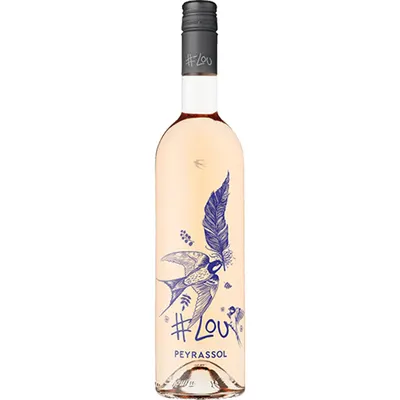
2025 - Château Peyrassol - #LOU - Rosé - Côtes de Provence
- 2025
- 75cl
- Cinsault, Grenache, Mourvedre
- Biodinámico
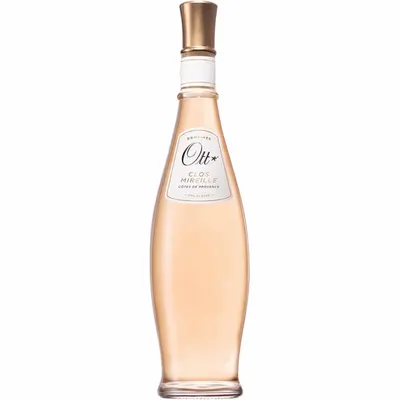
2025 - Domaines Ott - Clos Mireille - Côtes de Provence Rosé
- 2025
- 75cl
- Cinsault, Grenache, Syrah
Detrás de la botella


Región
Provenza
Provenza se extiende por el sureste de Francia a lo largo de la costa mediterránea, abarcando desde la frontera italiana hacia el oeste hasta el delta del Ródano. Esta antigua región vinícola produce aproximadamente 170 millones…
Descubrir Provenza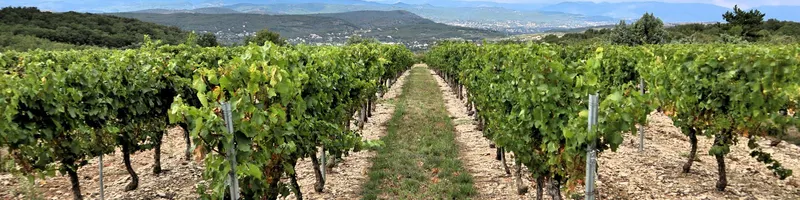
Denominación
Côtes de Provence
Côtes de Provence es una apelación ubicada en el sureste de Francia dentro de la región de Provence, extendiéndose por los departamentos de Var y Bouches-du-Rhône. La apelación cubre un área sustancial de costa mediterránea y…
Descubrir Côtes de Provence